The record label that left George Martin seething for years: “Boiled my blood”
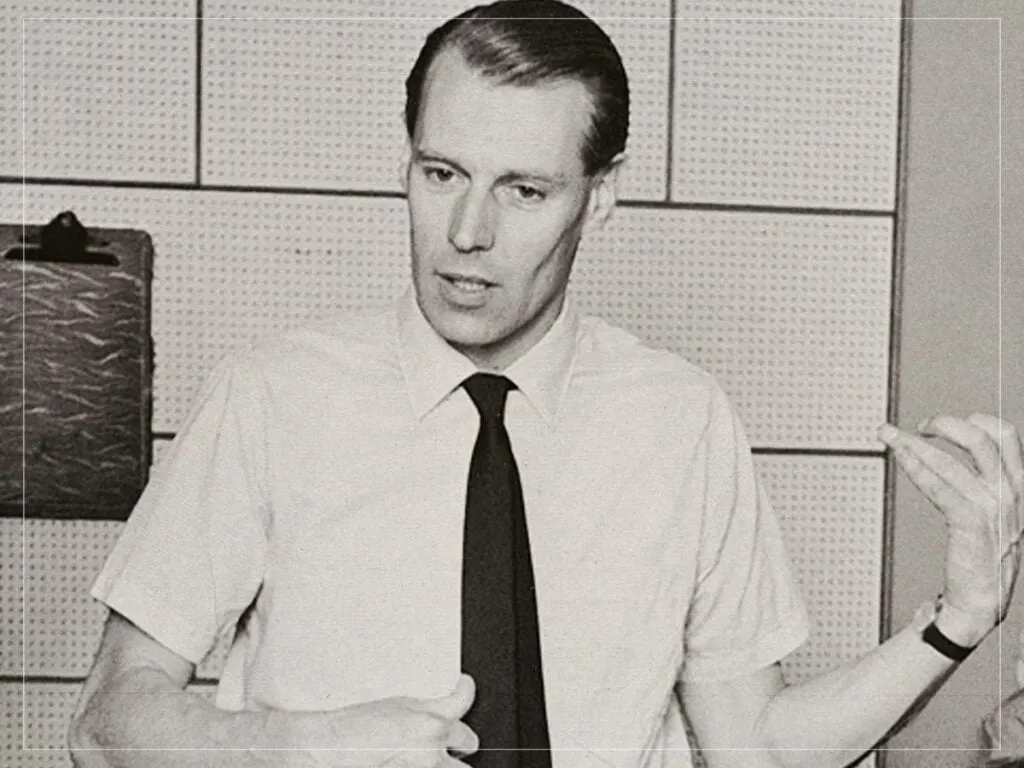
George Martin remained angry with Capitol Records over how it handled The Beatles’ music in the United States. He objected to the label altering recordings without his consent and later taking credit for signing a band whose prospects he said it had repeatedly dismissed.
The article says Capitol issued *Meet the Beatles!* and *The Beatles’ Second Album* in early 1964, repackaging material first released in Britain by Parlophone. It also used artificial “duophonic” stereo mixes for “I Want to Hold Your Hand” and “This Boy” because it did not have the stereo recordings. Martin said the changes still upset him in a 2004 interview and disputed Alan Livingston’s later claim to have signed the group.
- George Martin criticised Capitol’s handling of The Beatles’ US releases.
- Capitol used artificial stereo mixes on two songs.
- Martin said the label had rejected the band before claiming credit.
New here? Start with this
George Martin was the recording producer who worked with The Beatles and oversaw their music for Parlophone Records in Britain. When The Beatles' music reached the United States in the early 1960s, Capitol Records became the American label responsible for releasing it.
In early 1964, Capitol released repackaged versions of The Beatles' material from Britain, including albums such as Meet the Beatles! and The Beatles' Second Album, whilst also making unauthorised changes to the recordings, including artificial stereo mixes created because the label lacked the original stereo recordings. Martin's grievance arose from both these alterations to his work and Capitol's later claim to have signed the group, a claim he disputed given that the label had previously dismissed the band's prospects.
Both sides, in good faith
The strongest fair case each way — we don't pick a winner.
The case for
Martin's objection rests on artistic integrity and attribution accuracy. As original producer, he held legitimate authority over recording integrity, and Capitol's unauthorised alterations—particularly artificial stereo mixes—violated professional standards. His grievance about credit is substantive: Capitol had reportedly dismissed The Beatles before their breakthrough, yet claimed signing credit once American success proved evident.
The case against
Capitol Records could reasonably argue that, as the licensed American distributor, adapting material for the domestic market was standard commercial practice within their rights. Stereo conversion from mono was technically commonplace in the early 1960s. Whilst earlier dismissals occurred, their subsequent decision to pursue and promote The Beatles represented a separate business judgment based on changed market conditions and genuine capital investment in establishing the group in America.