Science news and discussion on TalkFuse.
How Ed Miliband has already approved more oil than Rosebank
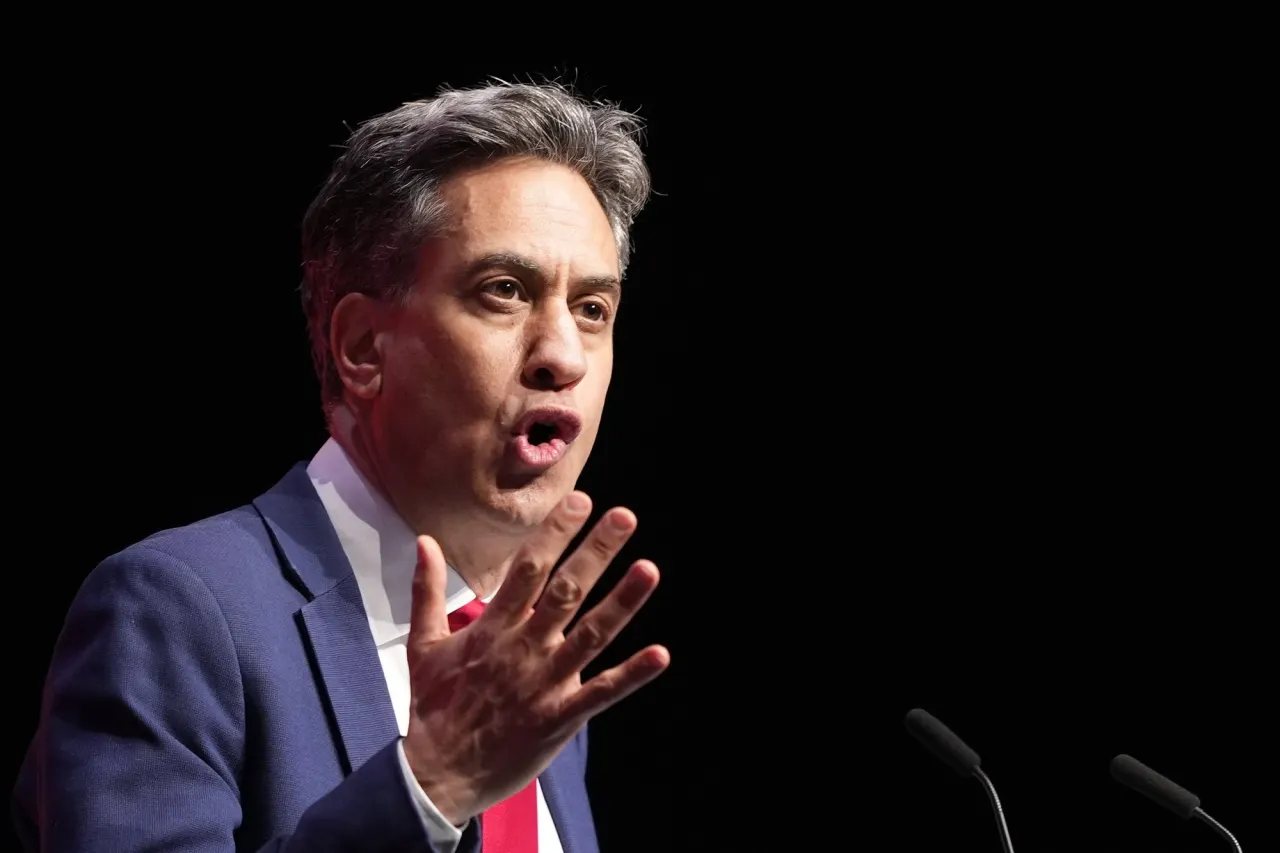
Ed Miliband has backed a G7 release of up to 100 million barrels from existing fuel reserves and, as Foreign Secretary, consented to the Falklands’ Sea Lion oil project. The article argues these decisions sit uneasily alongside his earlier description of developing Rosebank as “climate vandalism”, highlighting the tension between climate policy and energy security.
Sea Lion is expected to yield about 314 million recoverable barrels, more than the 300 million attributed to Rosebank, with further potential identified by developers. The G7 reserve decision came amid US export threats and disruption linked to the Iran war and closure of the Strait of Hormuz. Miliband says the energy shock strengthens the case for moving away from fossil fuels; Jackdaw has since been approved by his successor, and a Rosebank decision is still expected.
In short
- Miliband consented to the Falklands’ Sea Lion oil project.
- Sea Lion is expected to yield 314 million recoverable barrels.
- The article highlights a clash between energy security and climate policy.
Steelman: both sides, in good faith
The strongest fair case each way — we don't pick a winner.
The case for
The decisions can be defended as responses to different circumstances: releasing existing reserves can ease an immediate supply shock, while consenting Sea Lion may support energy security and economic interests in the Falklands. Miliband’s argument is that the crisis also makes the case for accelerating the transition away from fossil fuels, and that a new project’s approval does not remove the need to judge its climate impact against alternatives and policy commitments.
The case against
Approving a new oil field sits uneasily with condemning Rosebank on climate grounds, especially when Sea Lion is expected to yield a comparable or greater volume of oil. If the aim is to reduce reliance on fossil fuels, expanding production risks locking in emissions and weakening the credibility of that aim; an energy shock may make the case for cleaner energy more urgent, rather than justify another long-term oil project.
Explained simply
The UK’s energy choices involve a trade-off between cutting greenhouse gas emissions and keeping fuel supplies reliable. Oil reserves held by governments can be released during a supply disruption, while new oil projects would produce fuel over many years.
Rosebank is a proposed oilfield west of Shetland; Sea Lion is a proposed field near the Falkland Islands. Their estimated recoverable oil volumes are broadly similar, though estimates can change as projects are explored and developed.
Ed Miliband is the Labour politician responsible for energy policy, and also served as Foreign Secretary when consent was given for Sea Lion. The debate matters because decisions about emergency reserves and long-term oil production affect energy security as well as the UK’s climate commitments.