How John Lennon inspired a 1982 Billy Joel classic: “That bitter thing he used to have”
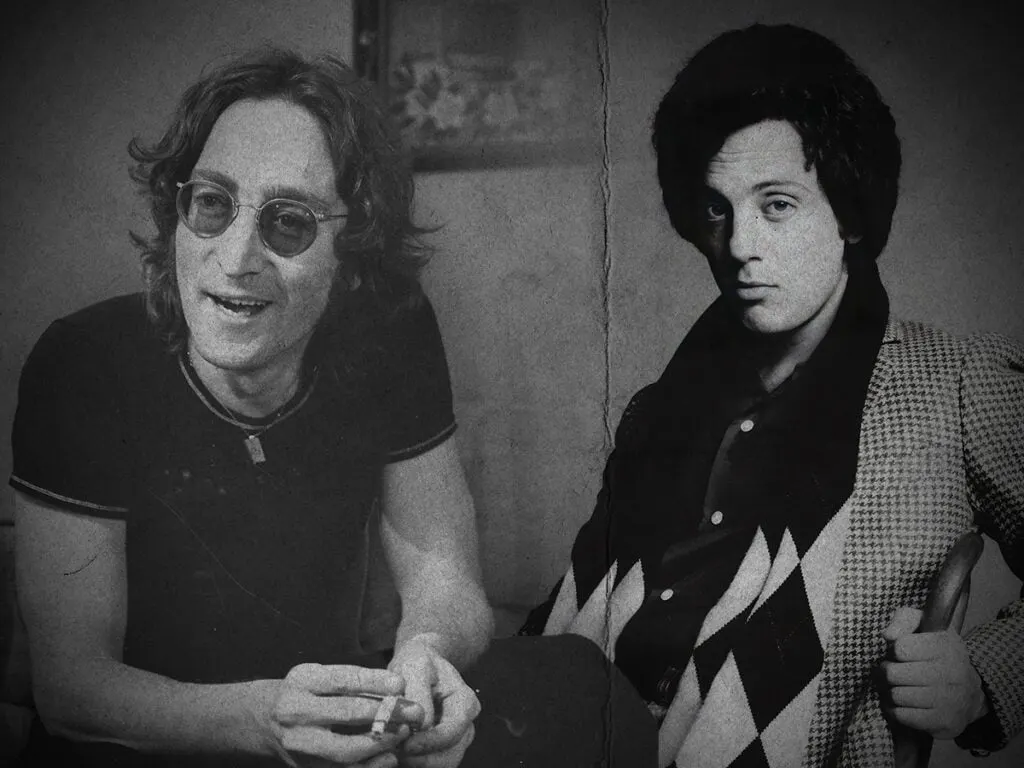
Billy Joel's 1982 track "A Room of Our Own" explores the cynicism of long-term relationships, capturing the irritation and conflict that arise when couples share close quarters. Joel explicitly credited John Lennon's influence, describing the song as drawing on Lennon's "bitter thing"—his blunt, confessional songwriting style that doesn't minimise discomfort for easy listening.
The song appeared on Joel's album The Nylon Curtain, which he largely crafted in response to Lennon's 1980 murder, channelling his grief through Lennon-inspired songwriting. During recording, producer Phil Ramone observed that Joel was singing like Lennon, prompting Joel to acknowledge he was consciously thinking about Lennon whilst writing the songs. An unexpected contribution came from drummer Liberty DeVitto, who accidentally shifted the time signature during the track, creating a distinctive sonic element that producer Ramone encouraged them to retain.
- Billy Joel's 1982 song drew heavily from John Lennon's raw, bitter songwriting style
- The track explores inevitable conflict in long-term relationships through sharp contrasts
- Lennon's murder inspired much of Joel's album The Nylon Curtain
New here? Start with this
Billy Joel's 1982 song "A Room of Our Own" explores the cynicism and tensions that develop in long-term relationships, particularly the irritation that arises when couples share close quarters. The track addresses a side of domestic life that many songwriters avoid.
John Lennon, formerly a member of The Beatles, was known for his blunt, confessional songwriting that didn't minimize discomfort or difficult emotions. Joel has stated he consciously drew on this "bitter thing" in writing "A Room of Our Own". This influence emerged whilst Joel was responding creatively to Lennon's death in 1980.
"A Room of Our Own" appeared on Joel's 1982 album The Nylon Curtain, which he largely crafted following Lennon's murder. During recording, producer Phil Ramone observed that Joel was singing with Lennon's characteristic vocal style and delivery. When drummer Liberty DeVitto accidentally altered the time signature during one take, Ramone decided to keep this distinctive element in the final version.