Entertainment news and discussion on TalkFuse.
How Johnny Depp left Disney execs in a panic with ‘incredibly drunk’ and ‘gay’ portrayal of iconic character
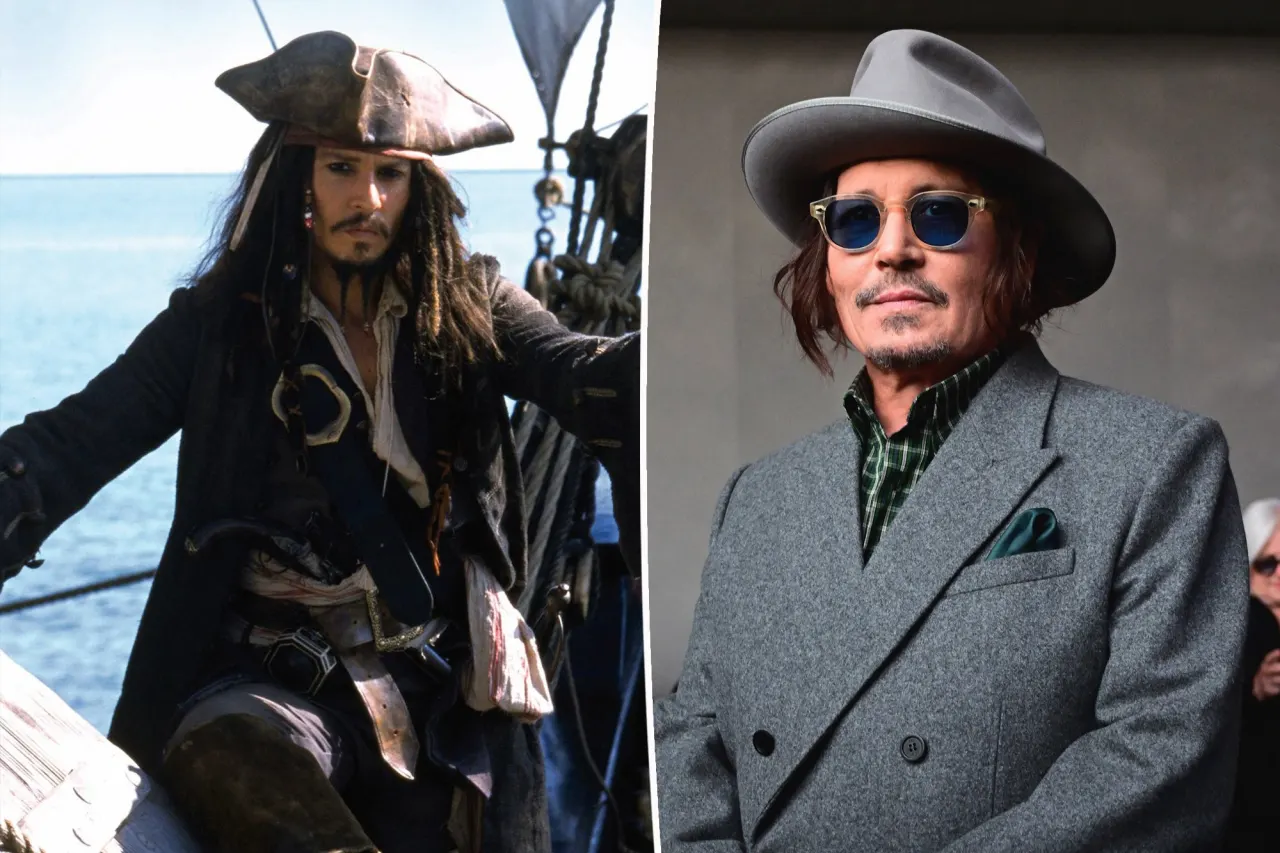
Johnny Depp’s unconventional interpretation of Captain Jack Sparrow reportedly alarmed Disney executives during the making of the first Pirates of the Caribbean film. The account illustrates how his commitment to a distinctive character clashed with studio concerns about whether audiences would understand or accept the performance.
In an excerpt from Mark Seal’s forthcoming biography, Depp and film producers recall the actor’s choices, including gold-capped teeth, dreadlocks, scarves, heavy eye make-up, a swaying walk and a slurred faux-British accent. Executives reportedly wondered whether Depp was drunk or gay, and Disney chief Michael Eisner feared the character was ruining the film. Depp said he was prepared to be fired but would not change his approach; the five-film franchise has since earned more than $4.5 billion worldwide.
In short
- Depp’s Jack Sparrow portrayal reportedly sparked alarm at Disney.
- Executives questioned the character’s look, voice and manner.
- The five Pirates films have earned over $4.5 billion worldwide.
Steelman: both sides, in good faith
The strongest fair case each way — we don't pick a winner.
The case for
Depp’s unusual choices gave Jack Sparrow a distinctive personality and helped the character stand apart from conventional swashbuckling heroes. A committed, original performance can give a film its identity, and the franchise’s later success suggests the risk proved commercially viable.
The case against
A studio financing a major film has a reasonable interest in ensuring its lead character fits the story and connects with audiences. Executives could worry that an eccentric performance, including an accent and mannerisms they found hard to read, might undermine the film’s tone and jeopardise its substantial investment.
Explained simply
Pirates of the Caribbean is a Disney adventure film series built around Captain Jack Sparrow, a roguish pirate played by Johnny Depp. The first film, The Curse of the Black Pearl, was released in 2003 and helped turn the character into the centre of a long-running franchise.
A film studio’s executives oversee a production and consider how it may be received by audiences. Actors and filmmakers may make creative choices that differ from what studio leaders expect, particularly when a character is being developed for the screen.
The story reflects questions about how far an actor can reshape a familiar kind of character and how a studio weighs unusual performances against audience expectations. The franchise’s later success gives context to those early concerns.