Technology news and discussion on TalkFuse.
How long can a 1000 watt-hour power station run your devices?
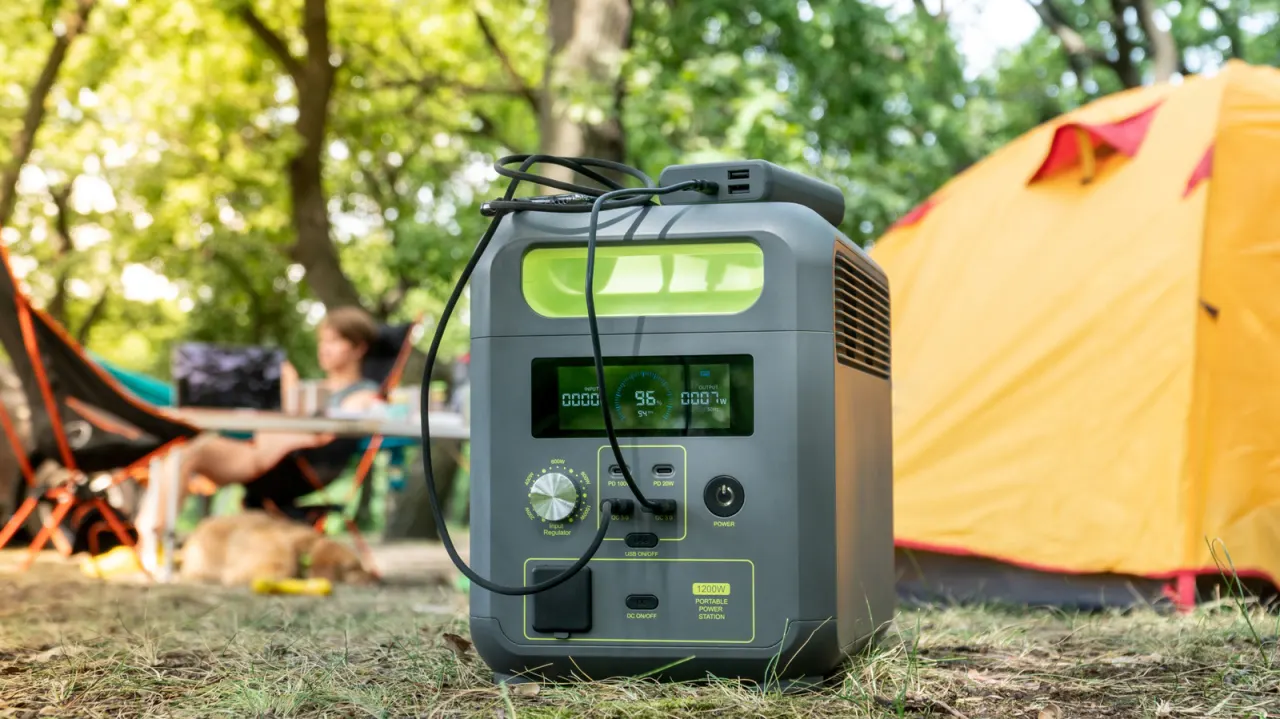
A 1,000 watt-hour portable power station can keep essential devices running during an outage or support electronics away from home, but its runtime is not reliably predicted by dividing capacity by a device’s rated wattage. The actual duration depends on conversion losses, how hard a device is working and conditions affecting the battery.
Using the Jackery Explorer 1000 v2, rated at 1,024Wh with up to 1,500W output, simple calculations suggest a 200W fridge could run for more than five hours and a 65W laptop for over 15. Jackery’s estimates are four hours and 11 hours respectively, partly because AC conversion loses around 5 to 20 per cent; device consumption also changes with use. Built-in USB ports, moderate temperatures and avoiding unnecessary full discharges can help preserve usable power and battery capacity.
In short
- A 1,000Wh station’s runtime depends on real device use and conversion losses.
- Jackery estimates four hours for a fridge and 11 for a laptop.
- USB charging and moderate temperatures can help conserve usable power.
Explained simply
Portable power stations store electricity in a rechargeable battery and can power appliances through mains-style sockets or USB ports. Their capacity is measured in watt-hours, while watts describe how much power a device uses at a given moment.
Jackery is one maker of these units; its Explorer 1000 v2 is a model with a battery capacity of just over 1,000 watt-hours. A fridge, laptop or other device may draw different amounts of power as it runs, and converting battery power to mains electricity also uses some energy.
These stations are used as a backup during power cuts and for electronics away from home. How long they can supply power matters when people are deciding which devices to use and how to manage a limited charge.