Technology news and discussion on TalkFuse.
Spotting a fake SD card is easier than you think
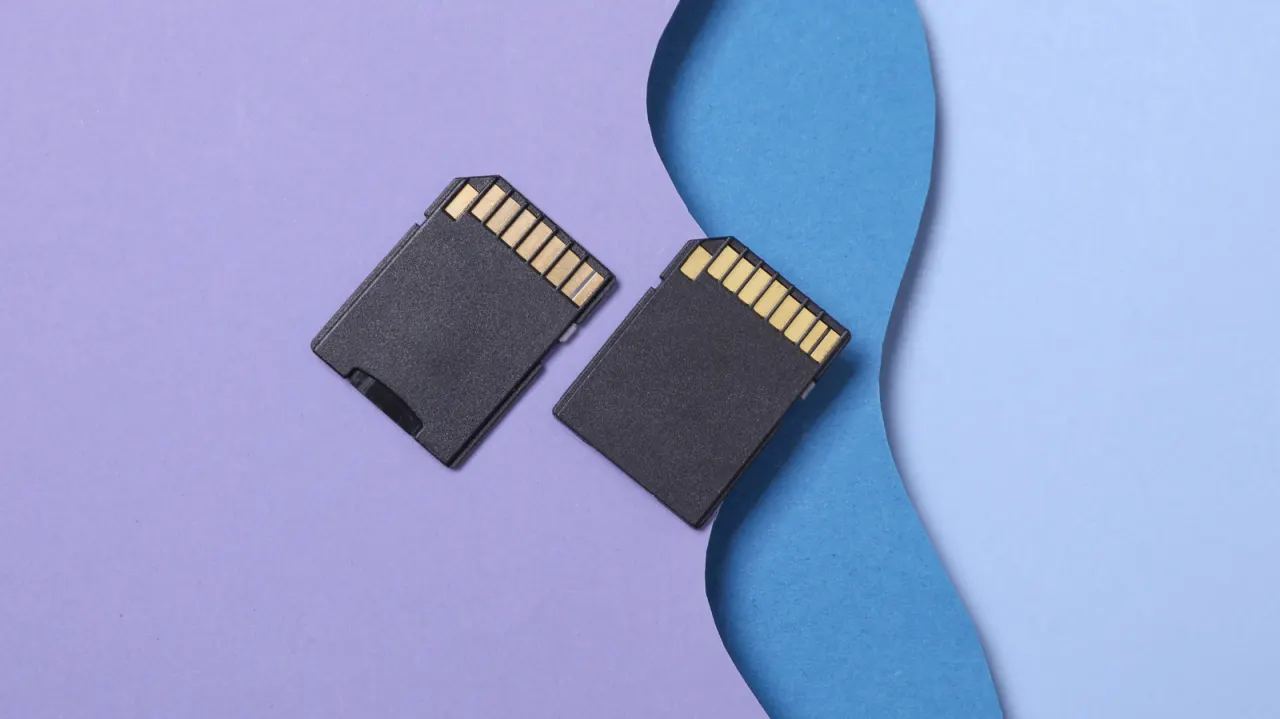
Counterfeit SD cards can put buyers’ files at risk by claiming to hold more data than they really can, leading to files being lost, corrupted or overwritten. With memory shortages pushing up prices, suspiciously cheap cards may be tempting, but checking a card before storing important files can help avoid problems.
Warning signs include unusually low prices, unauthorised third-party sellers, unfamiliar or imitated brands, and packaging with missing labels or warranty details. Windows users can test capacity and speed with H2testw; the open-source F3 tool checks whether written data can be read back, while CrystalDiskMark can compare performance with the card’s stated speed.
In short
- Fake cards may falsely claim to hold more data than they can.
- Check prices, sellers, brands and packaging before buying.
- Test capacity and speed before saving important files.
Explained simply
SD cards are small, removable storage devices used in cameras, phones and other electronics. Their capacity is measured in gigabytes, and their speed affects how quickly they can save or transfer files.
Some counterfeit cards report a larger capacity than they can actually store. When the real space runs out, new files may overwrite older ones or become corrupted, so buyers may lose photos and other data.
Cards are sold by manufacturers and through shops and online marketplaces, where third-party sellers may offer products from unfamiliar sources. A very low price or incomplete packaging can be a reason to check a card’s capacity and speed before relying on it for important files.