How Much Solar Power Do You Actually Need For An RV?
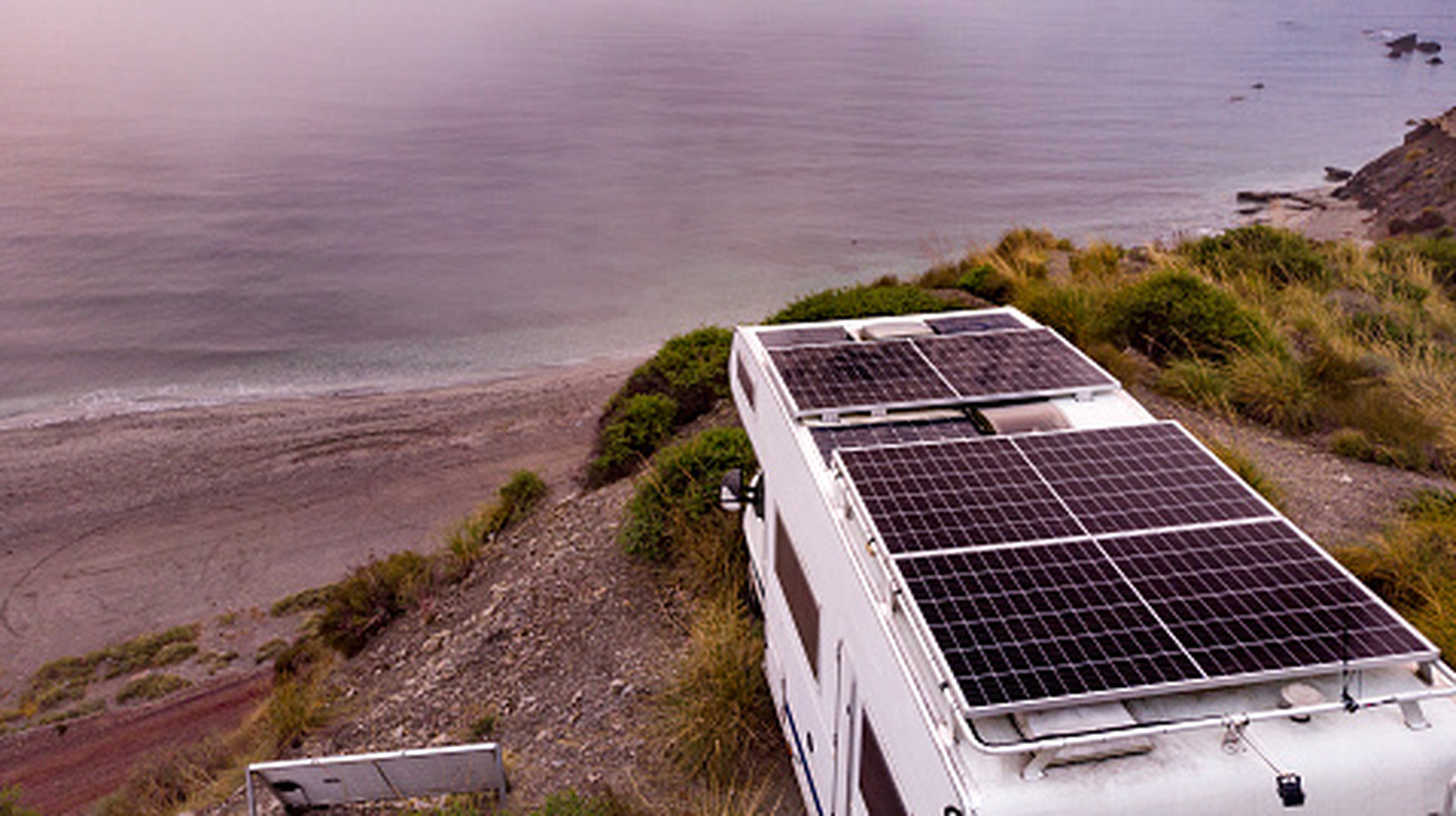
The article explains how RV owners can work out how much solar power they actually need to run their off-grid systems, an increasingly relevant question as renewable energy becomes more popular for camping and travel. Going fully solar is possible, but it requires more than just panels: a battery bank to store energy, an inverter to convert it for use, and a charge controller to manage the flow from panels to battery, with most RV users still pairing solar with a traditional generator as backup.
Working out requirements starts with tallying the wattage of every device used, checking labels for volts and amps if watts aren't listed directly, and factoring in how many hours each device runs daily. Panel output must also be adjusted downward from advertised maximums, since shade, cloud cover and warm temperatures all reduce efficiency, meaning a 100W panel realistically delivers around 350W a day. Most setups benefit from a 400W panel and should follow the "20 percent rule," producing at least a fifth more power than calculated needs to cover shortfalls when sunlight is limited.
- RVs can run fully on solar with battery, inverter and charge controller.
- Calculate total daily wattage used by all devices first.
- Build in a 20% power buffer for cloudy or shaded conditions.