World news and discussion on TalkFuse.
How NASA Testing Changed US Food Inspection Forever
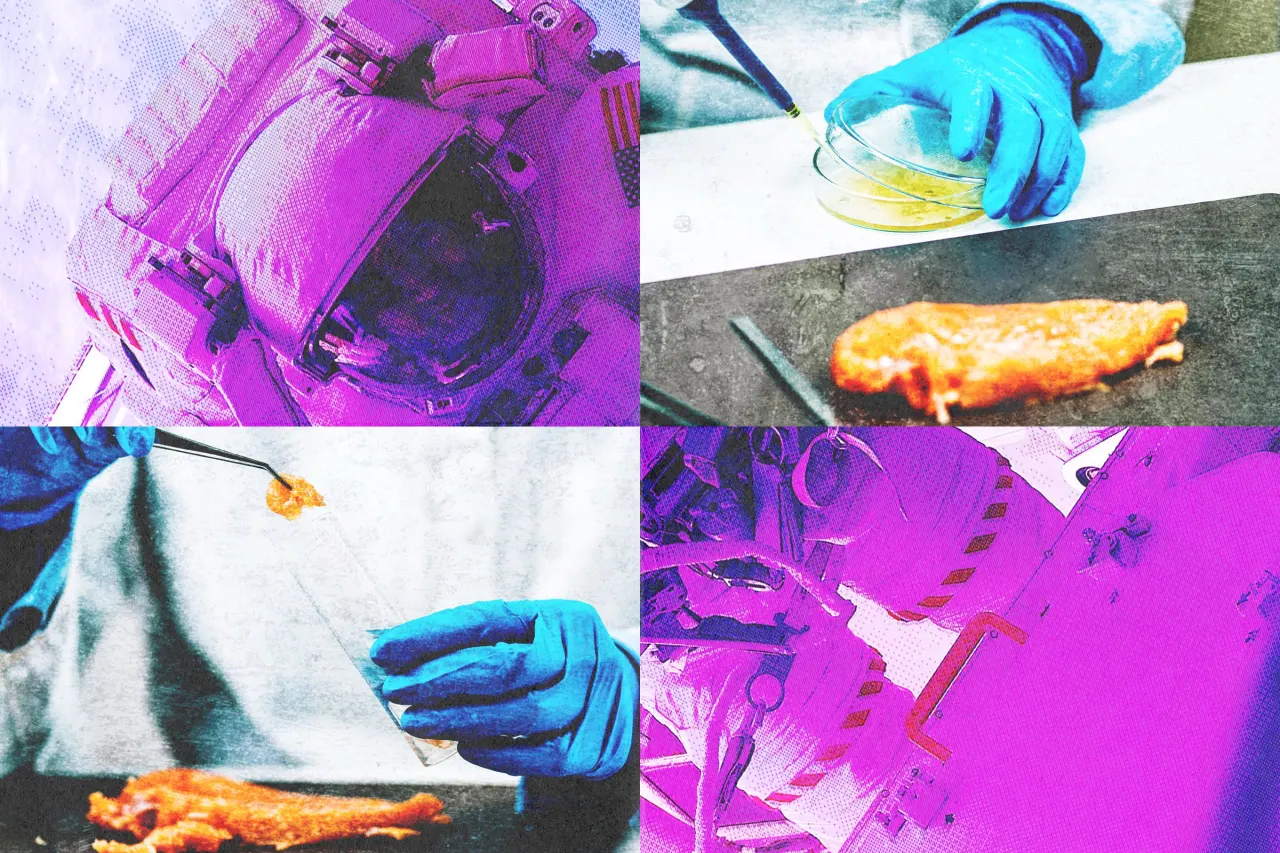
The article, adapted from Alex Davies's book, traces how food-safety testing methods developed for NASA's astronaut meals became the foundation for modern US food inspection. By the late 20th century, America's traditional meat-inspection approach—physically examining animal organs for visible disease—could no longer keep pace with industrial-scale slaughterhouses or detect invisible threats like E. coli, a gap tragically exposed by the 1993 Jack in the Box outbreak that sickened over 700 people and killed four children.
The roots of the solution lay in the early 1960s, when NASA's Gemini programme required feeding astronauts safely in space, where food poisoning could be fatal and testing every item was impossible without destroying the food supply. Lead food scientist Paul Lachance and colleagues responded by devising Hazard Analysis and Critical Control Point (HACCP), a system that identifies and controls risks throughout production rather than testing finished products. Following the Jack in the Box crisis, the Food Safety and Inspection Service adopted this NASA-derived approach alongside hiring 160 additional meat inspectors, fundamentally reshaping how America safeguards its food supply.
In short
- NASA's 1960s space-food safety research created the HACCP inspection system
- 1993 Jack in the Box E. coli outbreak killed four, sickened 700+
- HACCP prevents contamination during production instead of testing afterwards
Explained simply
Traditional US meat inspection focused on examining animals and their organs for visible signs of disease. As slaughterhouses grew larger, this approach struggled to keep pace and could miss harmful bacteria such as E. coli, which cannot be seen during a visual check.
NASA faced a related challenge in the 1960s: astronauts needed safe food for space missions, but testing every item would destroy too much food. Food scientist Paul Lachance and his colleagues developed a system called HACCP, which identifies points in production where food could become unsafe and sets checks to control those risks.
After a 1993 E. coli outbreak linked to Jack in the Box sickened hundreds and killed four children, the US Food Safety and Inspection Service adopted this approach and added meat inspectors. The change mattered because it shifted food safety towards preventing hazards during production, rather than relying mainly on finding visible problems at the end.
Americas Culture Food Space Technology World