How snails engineer their slime
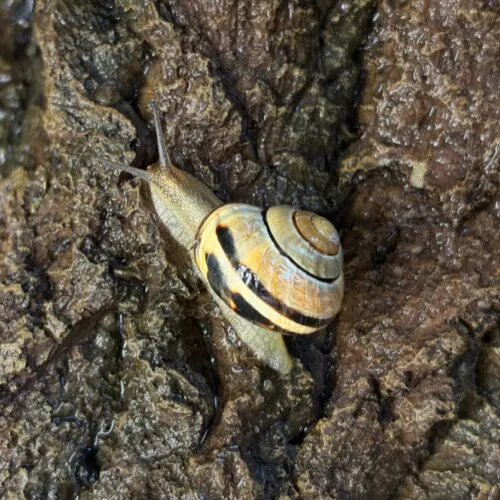
German researchers have identified how snails tailor the physical properties of their mucus for different jobs, from gliding and sticking to defence and winter protection. The findings matter because snail slime is already used in cosmetics and may have applications in wound healing and drug delivery, while the study could inform the design of adaptable biological materials.
Studying five mucus types produced by grove snails, the team found they share broadly similar proteins, with collagen IV forming the main structure. Differences in protein quantity and the addition of amorphous calcium carbonate alter cross-linking, density and reinforcement, producing distinct properties; the defensive secretions contained the most proteins, while the winter shell-sealing epiphragm includes calcite.
In short
- Collagen and calcium let snails tune slime for different functions.
- Grove snails produce five mechanically distinct mucus types.
- Findings may support medical and materials research.
Explained simply
Snails make mucus for several purposes: to move across surfaces, cling in place, deter threats and protect themselves through winter. These secretions may look similar, but their physical properties differ according to the job they need to do.
Researchers studied five types of mucus from grove snails. They found that the types share many proteins, including collagen IV, while differences in protein amounts and mineral content help make each secretion stronger, denser or more adhesive.
Understanding how snails produce these varied materials could help researchers design materials that change to suit different uses. Snail mucus is already used in some cosmetics, and researchers are exploring possible uses in wound healing and delivering medicines.