How the Great British chippy now costs £11: Average price of traditional fish and chip takeaways soars as overfishing of cod and sanctions against Russia take their toll on shops
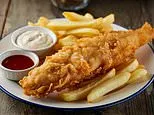
The average cost of a portion of fish and chips in Britain has risen sharply to around £11, up from £6.95 five years ago, as overfishing of cod and haddock combines with sanctions on Russian fishing firms to squeeze supply. The traditional Friday-night takeaway is becoming increasingly unaffordable, prompting some chip shops to substitute cod and haddock with alternatives such as octopus, dogfish and saithe, though these too face supply problems or require costly processing.
Cod and haddock have historically come mainly from the Barents Sea, jointly managed by Russia and Norway, where this year's joint quota of 285,000 tons is the lowest since 1991 amid the worst cod spawning levels since 2000. EU sanctions on major Russian fishing firms Norebo and Murman Seafood, plus a UK ban on Russian-flagged vessels docking, have cut Russian haddock imports from nearly 3,000 tons in 2022 to just 237 tons this year, pushing Britain towards pricier Icelandic supplies, which cost 56.8% more. Saithe and pollock, once touted as cheaper substitutes, have proven unreliable or unpopular, with saithe imports down 94% and Jamie Oliver's pollock fish fingers long discontinued.
- Average fish and chips price has jumped to about £11 in five years
- Overfishing and Russia sanctions have hit cod and haddock supplies
- Chip shops trying octopus, dogfish and saithe as substitutes
New here? Start with this
Cod and haddock, the fish traditionally used in British fish and chips, mostly come from the Barents Sea, an area of ocean shared and jointly managed by Russia and Norway. Stocks there have been declining, and fishing quotas have been cut sharply this year to try to protect the species from overfishing.
The situation has been made worse by international sanctions imposed on Russia, including on major Russian fishing companies, as part of the wider response to Russia's actions in recent years. These sanctions, along with a UK ban on Russian-flagged fishing vessels using British ports, have sharply reduced the amount of Russian-caught haddock reaching Britain, forcing buyers towards alternative, more expensive sources such as Iceland.
Fish and chips has long been seen as an affordable British staple, traditionally associated with a cheap Friday-night meal. The combination of shrinking fish stocks and disrupted supply chains matters because it affects the cost of a widely eaten, culturally significant food, and has left chip shop owners weighing up less familiar and sometimes less reliable substitute fish to keep prices down.
Both sides, in good faith
The strongest fair case each way — we don't pick a winner.
The case for
Advocates of the current approach argue that squeezing cod and haddock quotas to their lowest level since 1991 is a necessary, if painful, response to the worst spawning levels in a quarter of a century, and that protecting fish stocks now is the only way to safeguard the fishing industry and the fish and chip trade for future generations. They similarly argue that sanctions on Russian fishing firms such as Norebo and Murman Seafood are a justified and proportionate part of Britain's response to Russia's invasion of Ukraine, denying revenue streams to companies operating within the Russian economy even where this means paying more for Icelandic alternatives.
The case against
Others counter that the human cost of these policies is being borne overwhelmingly by ordinary families and small chip-shop owners already stretched by the wider cost-of-living crisis, turning a traditionally affordable staple into a luxury. They question whether the marginal economic pressure sanctions place on large Russian fishing conglomerates justifies such a disproportionate hit to British high streets, particularly when proposed alternatives like saithe and pollock have proven commercially unworkable, and argue that policymakers should be doing more to shield consumers and struggling small businesses from the combined shock rather than leaving them to absorb it.