How to watch the Nancy Grace Roman Space Telescope’s launch
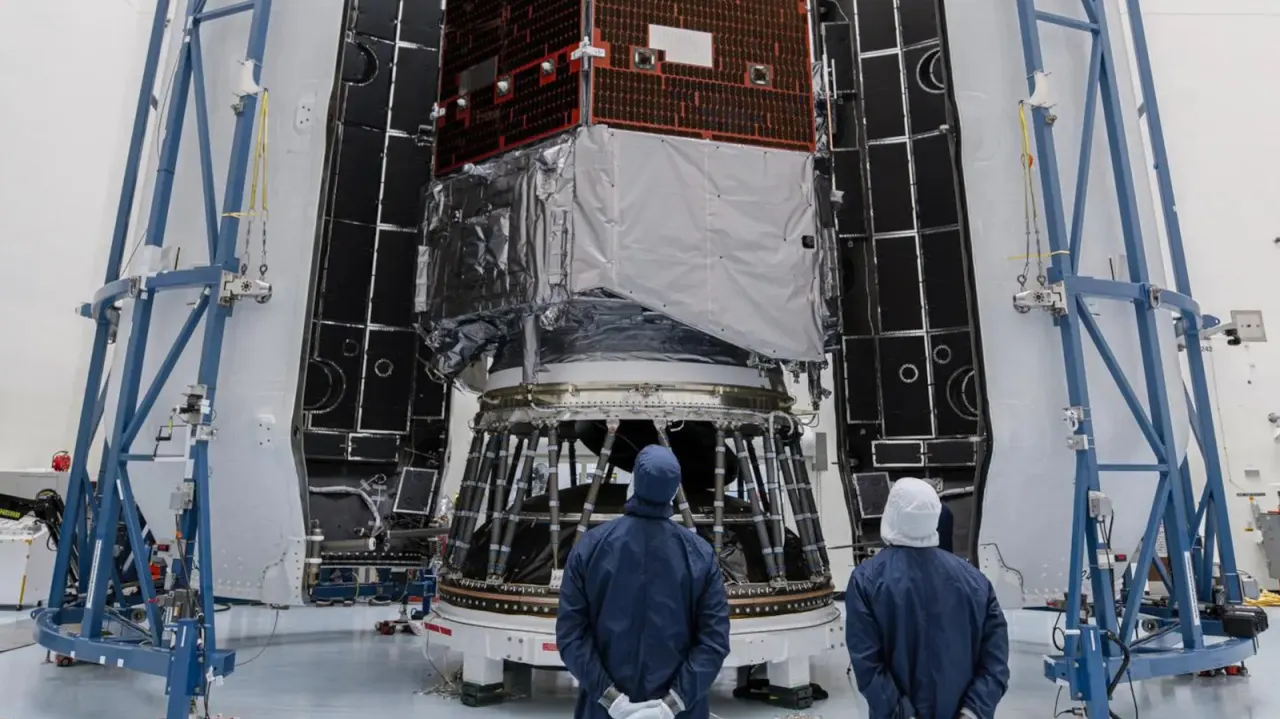
NASA is preparing to launch the Nancy Grace Roman Space Telescope on 30 August, with live coverage of the event set to begin at 6:20am Eastern time ahead of a targeted lift-off no earlier than 7:26am. The mission is significant because Roman is designed to survey a much wider portion of the sky than the Hubble Space Telescope, enabling more efficient studies of dark energy and exoplanets. It is named after Nancy Grace Roman, NASA's first Chief of Astronomy, who was nicknamed the "Mother of Hubble" for her role in that observatory's development.
The infrared telescope has a field of view at least 100 times larger than Hubble's and carries technology to block starlight, allowing scientists to directly observe exoplanets and gather data on habitability and the prevalence of solar systems like our own. It is already encased in a SpaceX Falcon Heavy fairing at Kennedy Space Center and will launch from Launch Complex 39A; if the attempt on 30 August is scrubbed, a backup slot is available on 31 August at 7:22am Eastern. NASA will also stream a science briefing and prelaunch news conference on 29 August, with the launch itself viewable via NASA's website or SpaceX's X account.
- Roman telescope launches 30 August via SpaceX Falcon Heavy, NASA livestreaming
- Field of view over 100 times larger than Hubble's
- Will study dark energy and exoplanets; backup launch date is 31 August
New here? Start with this
NASA's Nancy Grace Roman Space Telescope is an infrared observatory designed to study the universe on a much larger scale than existing telescopes, with a field of view at least 100 times wider than Hubble's. It is named after Nancy Grace Roman, NASA's first Chief of Astronomy, who played a key role in developing Hubble and was nicknamed the "Mother of Hubble". Its main scientific goals are to investigate dark energy, the mysterious force thought to be speeding up the expansion of the universe, and to search for and study planets beyond our solar system.
The telescope is set to launch aboard a SpaceX Falcon Heavy rocket from Kennedy Space Center in Florida, part of NASA's ongoing programme of major space observatories following in the footsteps of Hubble and the James Webb Space Telescope. Its wide field of view and starlight-blocking technology are intended to let scientists survey large areas of sky more efficiently and observe exoplanets directly, building a fuller picture of how common solar systems like our own might be.
The mission is a collaboration between NASA and its partners, including SpaceX as the launch provider, and forms part of the agency's broader astrophysics efforts. Because it is a rocket launch, the exact timing depends on weather and technical readiness, with backup opportunities built in if the primary attempt does not go ahead.