Politics news and discussion on TalkFuse.
How Was the Cold War Won?
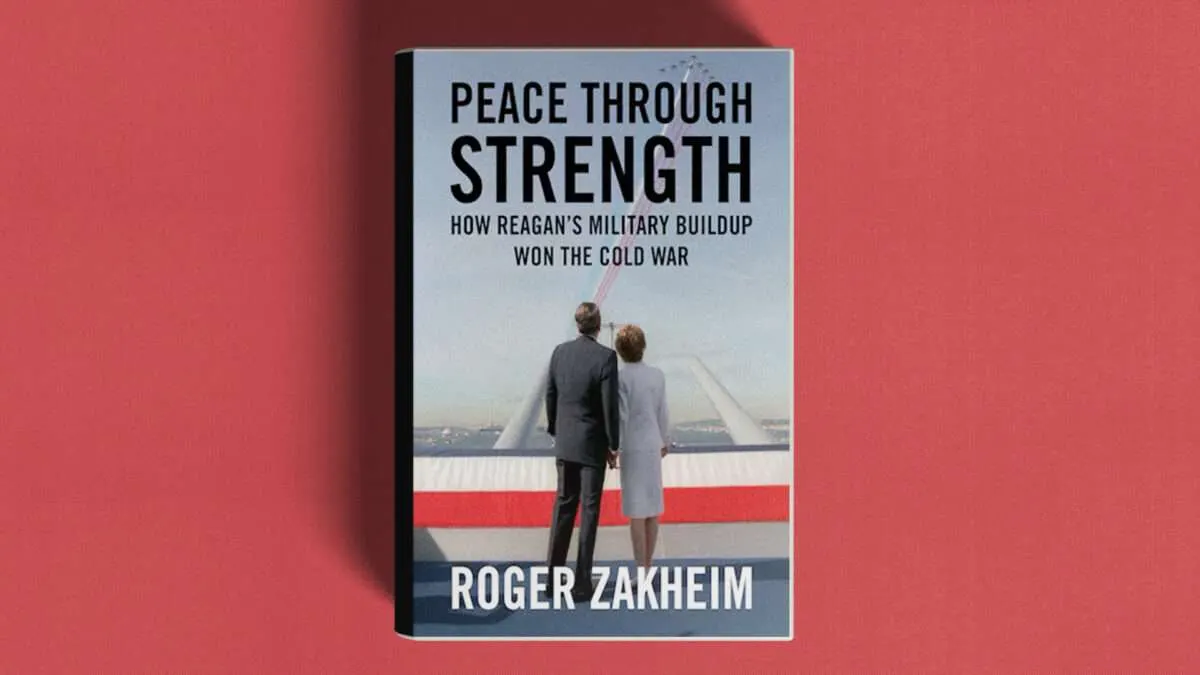
Roger Zakheim’s book argues that Ronald Reagan’s tougher foreign policy and military build-up pressured the Soviet Union and helped bring the Cold War to an end. The review credits the book with useful insights into Reagan-era decision-making, while questioning whether military pressure deserves so much of the credit.
The book also describes a struggle between budget-cutting officials led by David Stockman and defence hawks led by Caspar Weinberger, with Reagan prioritising military spending. The reviewer says changes in Soviet leadership, economic pressures and Gorbachev’s reform-minded team also helped enable cooperation with the West; without them, the build-up might have increased the risk of confrontation.
In short
- Zakheim credits Reagan’s military build-up with helping end the Cold War.
- The review argues Soviet reforms and economic strain also mattered.
- Reagan’s defence priority prevailed over Stockman’s budget-cutting aims.
Steelman: both sides, in good faith
The strongest fair case each way — we don't pick a winner.
The case for
A stronger US defence posture under Reagan may have convinced Soviet leaders that they could not match American military and technological capacity, increasing the costs of continued rivalry and giving them an incentive to negotiate. On this view, Reagan’s willingness to sustain pressure while pursuing diplomacy helped create conditions for arms agreements and the Cold War’s peaceful end.
The case against
Military pressure alone cannot explain the Cold War’s end: Soviet economic strain, leadership change and Gorbachev’s reforms made cooperation possible, and may have mattered more than the US build-up. Without those changes, a larger arms race could have deepened hostility or raised the danger of confrontation rather than bringing the Soviet Union to negotiate.
Explained simply
The Cold War was a long rivalry between the United States and the Soviet Union, which led a group of communist countries in eastern Europe. The two sides competed for influence and military strength, but avoided a direct full-scale war with each other.
Ronald Reagan, US president from 1981 to 1989, increased military spending and took a harder line towards the Soviet Union. His administration included budget-cutting officials such as David Stockman and defence supporters such as Caspar Weinberger, who favoured a larger military.
The Soviet Union was also facing economic pressures, and its leaders changed during the 1980s. Mikhail Gorbachev and his reform-minded team pursued changes and cooperation with the West, alongside the pressure Reagan’s policies placed on the Soviet Union. How much each factor contributed to the Cold War’s end remains debated.