Huawei Watch D3 pumps up its health-monitoring credentials
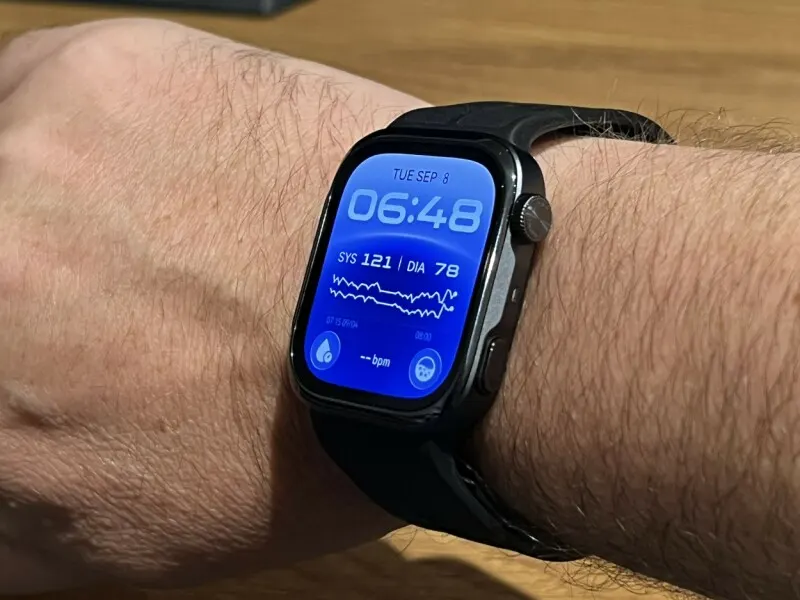
Huawei has launched the Watch D3, the latest generation of its blood pressure-monitoring smartwatch, continuing the firm's distinctive approach of using a physical inflatable cuff rather than the optical sensors favoured by most rivals. The device is CE-certified as a medical device under EU Medical Device Regulation rules and is aimed at users wanting more reliable blood pressure readings than typical smartwatches can offer, with The Register noting it produced plausible, consistent results during testing, though it remains bulkier than most competing wearables.
The watch weighs 40g and is 11.3mm thick, an improvement on its predecessor, and uses a built-in pump with an inflatable airbag in the strap (two sizes included) to take readings in about a minute. It supports 24-hour ambulatory blood pressure monitoring, pre- and post-exercise measurements, and alerts tied to altitude or temperature changes, alongside standard metrics like pulse and blood oxygen. It requires the Huawei Health app, prompting Huawei's product line president Rico Zhang to address data privacy and repairability concerns by citing compliance with local regulations; the display offers 3,000-nit peak brightness, and testers reported around five days of battery life, dropping to about one day with continuous monitoring enabled.
In short
- Huawei's Watch D3 uses an inflatable cuff for 24-hour blood pressure tracking
- It's CE-certified as a medical device but still relatively bulky
- Requires Huawei Health app, raising data privacy questions
Explained simply
Smartwatches commonly estimate blood pressure using light sensors, which detect changes in blood flow at the wrist. Huawei’s Watch D range takes a different approach: a small pump inflates an airbag built into the strap, much like a traditional blood pressure cuff.
Huawei is a Chinese technology company, and the Watch D3 is the newest version of this health-focused smartwatch. Its medical-device certification under EU rules is relevant because it places the product within a framework for assessing medical devices, while its readings still need to be understood as measurements from a wearable rather than a substitute for advice from a health professional.
The watch is part of a wider debate about how far consumer wearables can help people track health, and how they handle personal data. Its cuff design, size and battery life also illustrate the practical trade-offs involved in adding more health-monitoring features to a device worn on the wrist.