Human bones ‘are unearthed by wildfires’ at London park
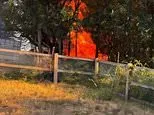
Human bones have been discovered at Bedfont Lakes Country Park in Hounslow, west London, with police saying wildfires may have exposed the remains after burning away topsoil. The Metropolitan Police are investigating to determine the age of the bones and identify who they belonged to, with a crime scene still in place at the park as tests continue.
Officers were called to the park, also known as Bedfont Pits, at 6.35pm on Wednesday 12 August following reports of bones being found. The find came after the London Fire Brigade tackled at least two blazes at the site last month, one suspected to have been started deliberately, with social media images showing grass burned away at the end of July. Because the bones could date from either a historical or a modern period, police say further testing is needed to establish their identity.
- Human bones found at Bedfont Lakes Country Park, Hounslow, after wildfires.
- Police believe fires burned away topsoil, exposing the remains.
- Investigation ongoing; age and identity of bones still unconfirmed.
New here? Start with this
Human remains discovered outdoors, particularly after fires or flooding expose ground that had previously been undisturbed, are not uncommon in the UK and are treated seriously by police as a matter of routine. When bones are found, investigators typically need forensic examination to work out basic facts: whether they are human or animal, roughly how old the remains are, and whether they might relate to a known missing person or a criminal case, however old.
Wildfires in parks and open green spaces have become more frequent in the UK during hot, dry spells, and the resulting exposed or scorched ground can bring buried material to the surface. This is the backdrop against which the reported discovery in a London park sits, though the specific location and circumstances of this find are not yet fully detailed.
Cases like this often attract public attention because of the uncertainty involved: remains found in this way could turn out to be archaeological, historic, or connected to a more recent unresolved case, and it typically takes time and expert analysis before police can say which.