Hundreds arrested over French wildfires, but who is to blame?
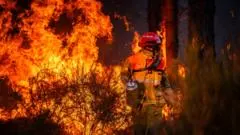
France has suffered its worst wildfire damage since the Second World War this year, with more than 300,000 acres burned, prompting a wave of arrests as authorities try to establish blame. Although climate change and rising temperatures are seen as key underlying drivers, official records suggest nine in ten French wildfires are started by humans, and the government has faced criticism both for being underprepared for the blazes and, now, for pursuing an arrest campaign some consider excessive.
The interior ministry has confirmed 420 arrests, including 166 minors, for allegedly starting fires deliberately or accidentally. A 23-year-old man accused of deliberately lighting ten fires in five days in the Var region faces up to 15 years in prison and a €150,000 fine, while others have received swift jail sentences, including one man handed three years for igniting a small area of vegetation. Lawyers and the newspaper Le Monde have questioned whether some prosecutions, including jail terms reportedly given to a homeless man and a person with severe autism over cigarette butts, are proportionate, while a Bordeaux prosecutor has defended the tough stance given how easily fires can spread in current drought conditions.
In short
- France's worst wildfire season since WWII has burned over 300,000 acres
- 420 people arrested, including 166 minors, over suspected fire-starting
- Lawyers and media question whether some prosecutions are excessive
Steelman: both sides, in good faith
The strongest fair case each way — we don't pick a winner.
The case for
France faces catastrophic wildfire losses—its worst since the Second World War—and official records show nine in ten fires are human-caused, making accountability both just and necessary. In extreme heat and drought, even small human negligence such as an unattended cigarette can destroy entire communities and hundreds of acres, so swift enforcement serves an essential deterrent function. The government has a responsibility to protect citizens through proportional consequences that discourage the carelessness allowing fires to spread.
The case against
Whilst serious arson deserves prosecution, sentencing vulnerable people such as the homeless and those with autism over accidental actions like cigarette butts represents a failure of proportionality and justice. This enforcement campaign risks scapegoating individuals for a crisis rooted in climate change and insufficient state preparation, rather than distinguishing deliberate crimes from tragic accidents. Resources would be better invested in prevention infrastructure and addressing systemic factors than criminalising the desperate and disabled.
Explained simply
Wildfires can begin naturally, but many are linked to human activity, such as deliberate ignition or carelessness. Hotter, drier conditions associated with climate change can make vegetation easier to burn and fires harder to control.
French authorities investigate suspected fire-starting and can bring criminal charges, with penalties depending on the circumstances. The interior ministry says hundreds of people, including minors, have been arrested over alleged deliberate or accidental fires.
The issue involves both the causes of the fires and how responsibility should be assessed. It matters because fires threaten lives, homes and land, while drought can allow a small ignition to spread quickly.