New releases, music videos and album news — indie, rap, rock and pop. Always covering Ren, Chris Webby, Sam Tompkins, bbno$, CHINCHILLA, Muse, Yungblud and more.
Hypothetical History: What if Paul Simon had given in and avoided Johannesburg?
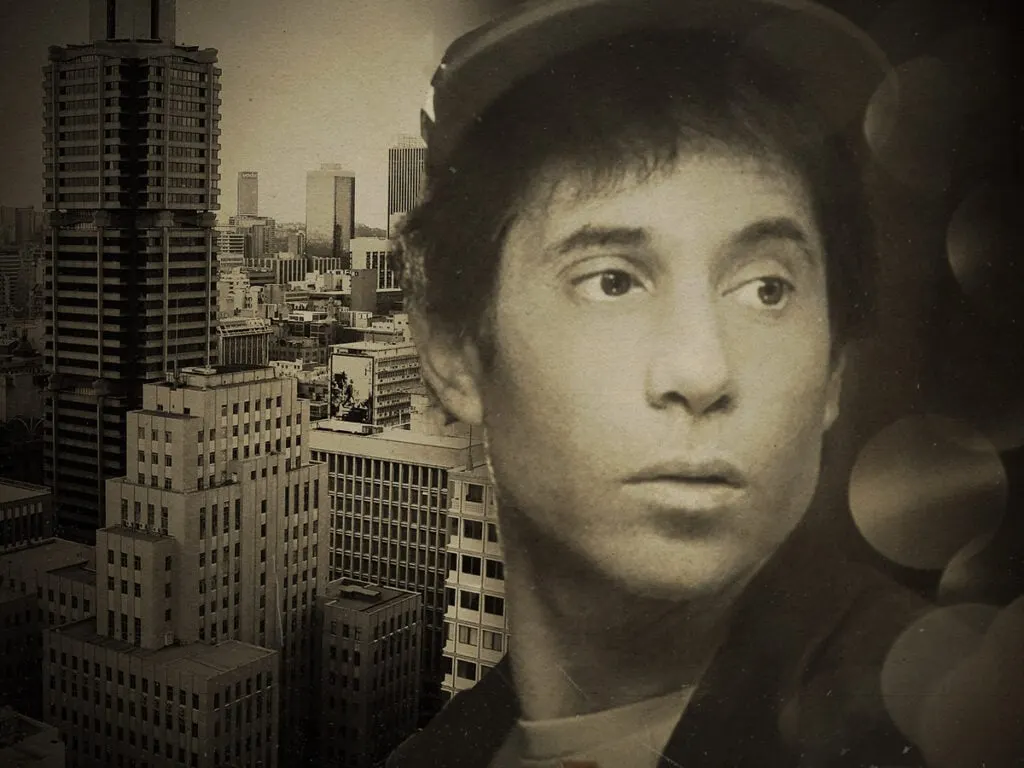
In 1985, Paul Simon travelled to Johannesburg to work with South African musicians, despite advice from some associates and the cultural boycott of apartheid South Africa. His decision drew criticism, but the article argues that the resulting album, *Graceland*, became a defining achievement that revived his career and brought diverse musical voices to a wider audience.
Simon said he went to follow his musical instincts, not to record for the South African government or perform for segregated audiences. Critics including Billy Bragg and Paul Weller condemned his breach of the boycott, while Quincy Jones and Harry Belafonte had advised caution beforehand. The article speculates that avoiding Johannesburg might have left Simon’s career on a different path; *Graceland* followed the commercial disappointment of 1983’s *Hearts and Bones*, won Grammys and led to a successful tour, and encouraged Simon’s later work, including 1990’s *The Rhythm of the Saints*.
In short
- Simon’s Johannesburg trip led to *Graceland*.
- The album revived his career despite boycott criticism.
- Its success encouraged Simon to pursue further musical risks.
Steelman: both sides, in good faith
The strongest fair case each way — we don't pick a winner.
The case for
Simon’s strongest case is that he went to make music with South African artists, following his instincts and seeking to bring their work to a broad international audience, rather than to endorse apartheid or perform for segregated audiences. The success of Graceland gave those musicians wider recognition and helped create a lasting artistic collaboration at a time when Simon’s own career had faltered.
The case against
The strongest case against Simon’s decision is that the cultural boycott was a collective effort to isolate apartheid South Africa, and making an exception for a prominent foreign artist risked weakening that pressure and lending the country cultural legitimacy. Whatever his intentions or the album’s later influence, critics could reasonably argue that he should have respected the boycott and considered how his choice affected the broader anti-apartheid campaign.
Explained simply
During apartheid, South Africa’s white-minority government enforced racial segregation and denied most rights to the Black majority. An international cultural boycott called on artists to avoid working in the country, aiming to isolate the government and oppose apartheid.
Paul Simon was an American singer-songwriter whose career had cooled after his 1983 album *Hearts and Bones*. In 1985 he travelled to Johannesburg to make music with South African performers, including musicians from the group Ladysmith Black Mambazo; the visit drew criticism because it crossed the boycott.
The debate involved both the purpose of the boycott and the reach it could give South African musicians. The question of what might have happened had Simon stayed away also puts his later success with *Graceland* and his subsequent musical direction in context.