I had my legs, lips and favorite tattoo amputated after hysterectomy went terribly wrong. Here are all the horrific ways my life has been ruined, says brave mom-of-six, 46, now suing hospital for $68m
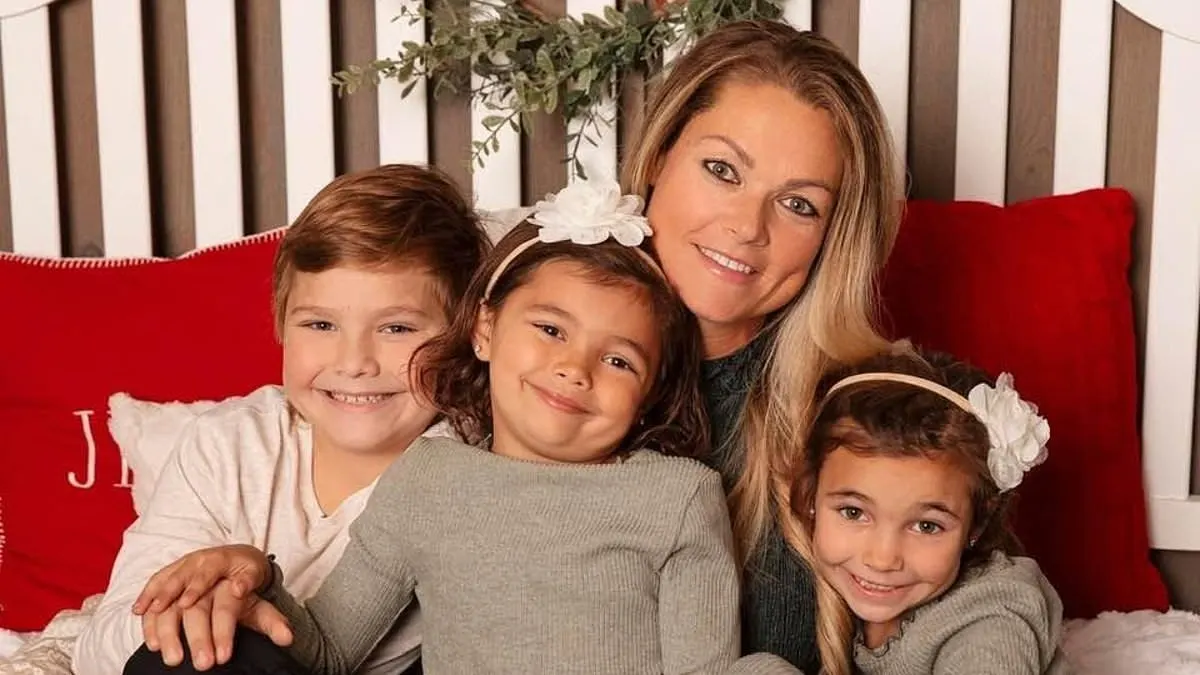
Trisha Stevens, a 46-year-old mother of six in Oregon, says she suffered catastrophic injuries after developing sepsis following a hysterectomy in October 2024. She has sued three doctors and two Portland-area hospitals for $68.5 million, alleging that delays in recognising and treating the infection led to amputations and other lasting harm.
Stevens lost both legs, her left hand and parts of her lips and tongue, and has endured multi-organ failure, chronic pain, recurring infections and skin grafts, according to her lawyer. She says she cannot eat solid food normally or care for her children as she once did; her lawyer also says the family has had to adapt to her need for assistance with everyday activities. The lawsuit alleges the surgeon failed to review pathology results showing inflammation, but the claims have not been established in court.
- Oregon mother Trisha Stevens is suing over sepsis after a hysterectomy.
- She alleges delayed treatment led to multiple amputations and lasting injuries.
- Her $68.5 million lawsuit names three doctors and two hospitals.
New here? Start with this
A hysterectomy is an operation to remove the womb. Sepsis is a dangerous reaction to an infection that can damage organs and, in severe cases, restrict blood flow to the limbs. It needs prompt medical assessment and treatment.
Trisha Stevens says she developed sepsis after her operation in Oregon in October 2024 and suffered extensive, lasting injuries. Her legal claim names three doctors and two Portland-area hospitals and alleges delays in recognising and treating the infection; it also alleges that her surgeon did not review test results showing inflammation.
The case concerns the care Stevens received and the harm she says followed. Her account describes major changes to her health and daily life, including how she can eat and care for her six children. The allegations are disputed matters for the court to consider.
Both sides, in good faith
The strongest fair case each way — we don't pick a winner.
The case for
Stevens’s case is that clinicians had a duty to respond promptly to signs of infection, and that any failure to review relevant results or recognise sepsis may have caused devastating, preventable harm. A substantial claim could help meet her long-term care needs and hold providers accountable if negligence is proved.
The case against
The doctors and hospitals are entitled to a fair assessment of the evidence before blame or liability is assigned; the allegations have not been established in court. They may argue that the infection’s course and the resulting injuries do not, by themselves, prove that any particular delay or clinical decision fell below the standard of care or caused the outcome.