‘I spend a bagful of money and don’t fill a bag’: the energy crisis hits Bangladesh
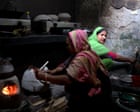
Bangladesh is enduring a severe energy crisis triggered by the US war on Iran and the subsequent closure of the Strait of Hormuz, which has disrupted crucial gas shipments from the Middle East. The newly elected BNP government, which came to power in February after overthrowing the previous Awami League administration, has struggled to manage the crisis, forcing the country into darkness with widespread power cuts and energy rationing. The situation is particularly dramatic in Dhaka, a city of nearly 40 million people, where residents navigate darkness during evening hours and struggle with basic utilities like cooking and lighting.
Daily gas demand in Bangladesh reaches 107–113 million cubic metres, but available supply is only around 74 million cubic metres, forcing the government to impose severe rationing measures including shop closures at 8pm and billboard switch-offs by 7pm. National load-shedding exceeded 3,000 megawatts during the worst shortages, whilst rural areas experienced outages lasting up to 16 hours daily in August. The crisis is expected to push almost 3 million additional people into food insecurity by the end of the year, representing an 18 per cent increase from the summer figure of 15.3 million. Beyond economic hardship, residents face safety concerns as darkened streets increase risks of crime during commutes.
- Iran war disrupts gas imports; Bangladesh demand vastly exceeds supply
- Power rationing paralyses Dhaka; food insecurity rises 18 per cent
- Citizens struggle with basic utilities and safety in darkness