New releases, music videos and album news — indie, rap, rock and pop. Always covering Ren, Chris Webby, Sam Tompkins, bbno$, CHINCHILLA, Muse, Yungblud and more.
“I was dumb!”: The story of how U2 triggered Minor Threat’s breakup in 1983
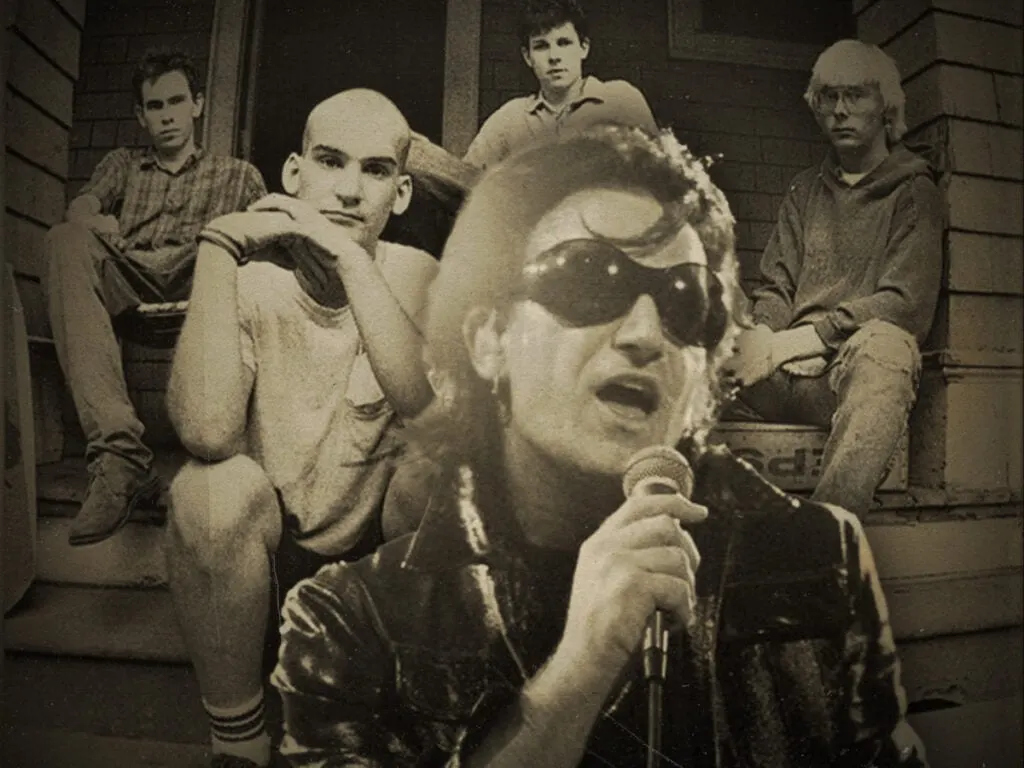
Minor Threat split in 1983 after disagreements over the band’s direction, with U2’s melodic sound helping to sharpen the divide. Guitarist Lyle Preslar and bassist Brian Baker wanted to explore a broader style, while frontman Ian MacKaye opposed changing the group’s sound.
Baker later said MacKaye understood Minor Threat as part of a wider DIY community built around Dischord Records, rather than simply a band seeking bigger shows and tours. Minor Threat’s final concert was in September 1983; MacKaye went on to form Embrace and Fugazi, while Baker pursued a more melodic direction with Dag Nasty.
In short
- U2’s sound exposed a rift over Minor Threat’s musical direction.
- Ian MacKaye prioritised the DIY community around the band.
- Minor Threat played its final show in September 1983.
Steelman: both sides, in good faith
The strongest fair case each way — we don't pick a winner.
The case for
A band’s sound can evolve without abandoning its roots, and exploring melody or a broader style might have allowed Minor Threat’s members to grow creatively and reach more listeners. From this view, Preslar and Baker were pursuing a legitimate artistic direction, rather than simply chasing bigger shows or commercial success.
The case against
Minor Threat’s force came partly from its direct sound and its place in a DIY community, so changing direction could have weakened what made the band meaningful to its members and listeners. MacKaye could reasonably see preserving that identity as more important than expanding the band’s musical range, especially if the disagreement reflected different ideas about the group’s purpose.