I was terrified about the windows in our 15th-floor flat from the day we moved in but the council didn’t care – then my son fell to his death
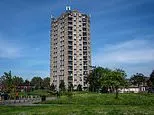
The family of Aalim Ahmed, an autistic five-year-old who fell to his death from a 15th-floor window in Plaistow, east London, say they repeatedly warned Newham Council about the danger before the tragedy occurred in May 2024. His parents, Makail Ahmed and Sahra Osman, said the window had become "compromised" and could tilt and turn widely enough for Aalim to climb through, and that they had raised concerns about it shortly after moving into the flat, fearing he might fall or throw himself out given his lack of awareness of danger.
The couple said they had already told the council about Aalim's condition three years before his death, and that a council engineer inspected the windows in December 2023, finding them functioning, though the family were told handles needed changing and works were recommended but not carried out. After seven months of complaints, work was eventually done, but the parents said the danger was never fully resolved as the windows could still open too widely with minimal force. An inquest into Aalim's death concluded on Monday, with Assistant Coroner Ian Wade delivering a narrative conclusion; the grieving parents said they hope lessons will be learned so no other family suffers the same loss.
- Autistic boy, 5, died falling from 15th-floor window in May 2024
- Parents say they repeatedly warned Newham Council about faulty windows
- Inquest concluded Monday; family calls for lessons to be learned
New here? Start with this
Aalim Ahmed was an autistic five-year-old who died in May 2024 after falling from a window in a 15th-floor flat in Plaistow, east London. His parents, Makail Ahmed and Sahra Osman, say they had raised repeated concerns with their landlord, Newham Council, about the safety of the flat's windows in the years before his death, fearing that his lack of awareness of danger put him at particular risk.
The family say the council had been told about Aalim's autism well before the fatal fall, and that a council engineer had inspected the windows some months earlier. Recommended repair works were flagged but, according to the parents, not carried out promptly, and they maintain the underlying problem with the windows was never fully fixed even after work eventually took place.
An inquest examined the circumstances of Aalim's death and has now concluded, with the coroner setting out findings on what happened. The case has drawn attention to broader questions about how councils and landlords manage safety risks in high-rise housing, particularly for children and vulnerable residents.
Both sides, in good faith
The strongest fair case each way — we don't pick a winner.
The case for
Advocates for the family argue that a housing authority which had been told a vulnerable, safety-unaware five-year-old lived in a high-rise flat bore a heightened duty of care regarding window safety, and that repeated warnings over several years, including a formal inspection identifying necessary works, should have triggered urgent action rather than a seven-month delay. They hold that public bodies must be judged by outcomes for the people they are meant to protect, and that when a known, specific risk to a disabled child is flagged and not properly remedied, the resulting tragedy reflects a systemic failure in prioritisation and follow-through that inquests and lessons-learned processes exist to expose and correct.
The case against
Those more sympathetic to the council's position would note that social landlords manage vast, ageing housing stock with limited budgets and competing urgent repairs, and that an engineer did attend, found the windows functioning, and recommended works that were subsequently carried out, indicating the concern was not simply ignored. They would argue that hindsight makes any prior risk assessment look inadequate, that restrictor mechanisms and window designs are not always foolproof against a determined or unusually agile child regardless of diligence, and that fair judgement should weigh the genuine practical constraints and good-faith efforts of an overstretched public authority rather than assume neglect from a tragic outcome alone.