Iceland votes on resuming EU membership talks as Trump’s push for neighboring Greenland looms over debate
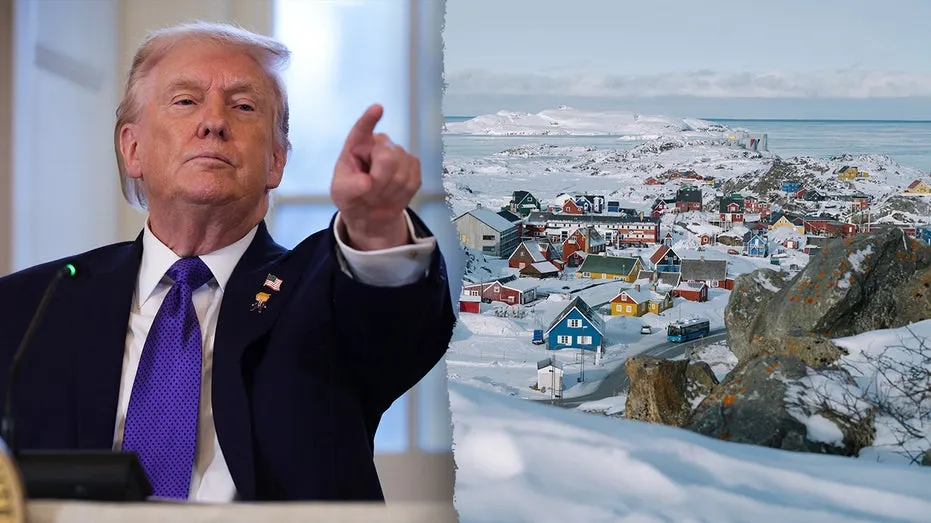
Icelanders voted on Saturday in a referendum on whether to resume negotiations to join the European Union, reopening a debate that has long divided the NATO member. The vote gained added significance from President Trump's repeated interest in acquiring Greenland, Iceland's neighbour, which has unsettled some Icelanders and prompted questions about whether closer EU ties might offer additional security, given that Iceland has no military of its own and relies on NATO and the United States for defence.
Around 275,000 eligible voters took part, with roughly 180 miles separating Iceland from Greenland. The result had not been officially declared by Saturday evening, and Prime Minister Kristrún Frostadóttir, whose government has pledged to respect the outcome despite the referendum being technically nonbinding, described the contest as tight and said it had elevated discussion of Iceland's place in the world. A "yes" vote would lead to renewed membership talks and a further referendum on actual EU accession, while Trump's Greenland ambitions—including past mentions of using military force and his ambassador's since-apologised-for "52nd state" remark about Iceland—continued to loom over the campaign.
- Icelanders voted on resuming EU membership negotiation talks
- Trump's Greenland ambitions added a security dimension to debate
- Result pending; a "yes" vote would trigger further talks, referendum
New here? Start with this
Iceland is a small North Atlantic nation and a member of NATO, but it has no armed forces of its own and depends on allies, chiefly the United States, for its defence. It applied to join the European Union once before, in 2009, but talks stalled and were later shelved, leaving the country a member of the European Economic Area with close trade ties to the EU but not full membership. The referendum asks voters simply whether the government should restart membership negotiations, a step that would still require a further public vote before Iceland could actually join.
The debate has taken on extra weight because of statements by US President Donald Trump about acquiring Greenland, a large, mostly ice-covered territory belonging to Denmark that sits close to Iceland. His interest, at times including talk of using force, has unsettled some in Iceland and fed a wider conversation about whether the country's security arrangements are sufficient or whether deeper EU ties might offer another layer of protection.
Iceland's government, led by Prime Minister Kristrún Frostadóttir, has said it will respect the referendum result even though it is not legally binding. The vote reopens a long-running and divisive question for Icelanders about the country's relationship with Europe, and its outcome will shape whether formal membership talks resume.
Both sides, in good faith
The strongest fair case each way — we don't pick a winner.
The case for
Proponents argue that resuming talks is a prudent hedge in an increasingly unpredictable world, especially with an unmilitarised Iceland sitting close to a Greenland now openly coveted by its most powerful ally. They contend that deeper integration with the EU would diversify Iceland's alliances beyond near-total dependence on Washington, offer the economic stability of the euro as an alternative to a historically volatile krona, and give a small state more collective weight in shaping the rules that already affect it through the European Economic Area. For many supporters, this is less about abandoning national identity than about pragmatic self-reliance and diplomatic insurance at a moment of geopolitical flux.
The case against
Sceptics counter that Iceland's prosperity and independence rest precisely on decisions like fisheries management remaining in national hands, and that ceding control over its waters to the EU's Common Fisheries Policy would threaten an industry central to its economy and identity. They argue that conflating a trade and regulatory union with military security is a category error, since Iceland's defence already rests soundly on NATO and its bilateral arrangement with the United States rather than anything Brussels could offer. For these voters, using Trump's Greenland rhetoric to revive a membership question the country has already weighed and stepped back from risks trading hard-won sovereignty for a sense of reassurance the EU cannot actually provide.