World news and discussion on TalkFuse.
IIHF ‘taking the necessary steps’ to comply with Russia return ruling as Belarus ban remains
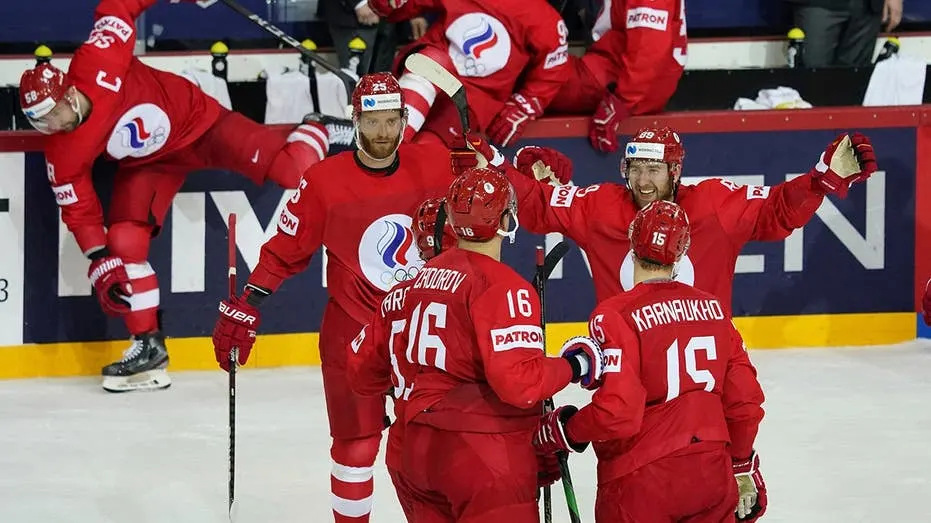
The International Ice Hockey Federation (IIHF) says it is taking steps to comply with a Court of Arbitration for Sport ruling allowing Russian teams back into its world championships, while Belarus remains excluded. The decision’s first test is next month’s World Junior Championships in Alberta, where Hockey Canada and Prime Minister Mark Carney have said Russian players will not be allowed to take part.
The IIHF says it is reviewing conditions to protect its competitions, finances and the future of international hockey, and is discussing options with affected national federations, including Russia’s. Several countries, including Sweden, Finland and the Czech Republic, have said they will boycott games against Russia while the war in Ukraine continues; Germany has also suggested withdrawing from hosting the 2027 men’s championships. Russia last played in the World Juniors in 2021 and last won gold in 2011.
In short
- CAS ruled that Russian teams can compete in upcoming IIHF world championships.
- Belarus remains barred, and Russia’s World Juniors participation is contested.
- Several countries have threatened boycotts if they must play Russia.
Steelman: both sides, in good faith
The strongest fair case each way — we don't pick a winner.
The case for
Allowing Russia back would respect the Court of Arbitration for Sport ruling and the principle that sporting eligibility should follow consistent rules rather than political pressure. The IIHF could argue that managed participation, with safeguards and consultation, helps preserve international competition and dialogue while avoiding lasting damage to hockey’s global institutions.
The case against
Keeping Russian teams excluded could be defended on the grounds that their return during the war would be seen as normalising state conduct and would conflict with the values many federations and players expect sport to uphold. Countries also have a reasonable concern that participation could undermine safety, unity and public confidence, particularly when host nations and opponents say they will not take part.