Politics news and discussion on TalkFuse.
I’m Dr. Abdul El-Sayed. This is why I want Michigan’s vote for Senate
Developing story first seen 6 hours ago
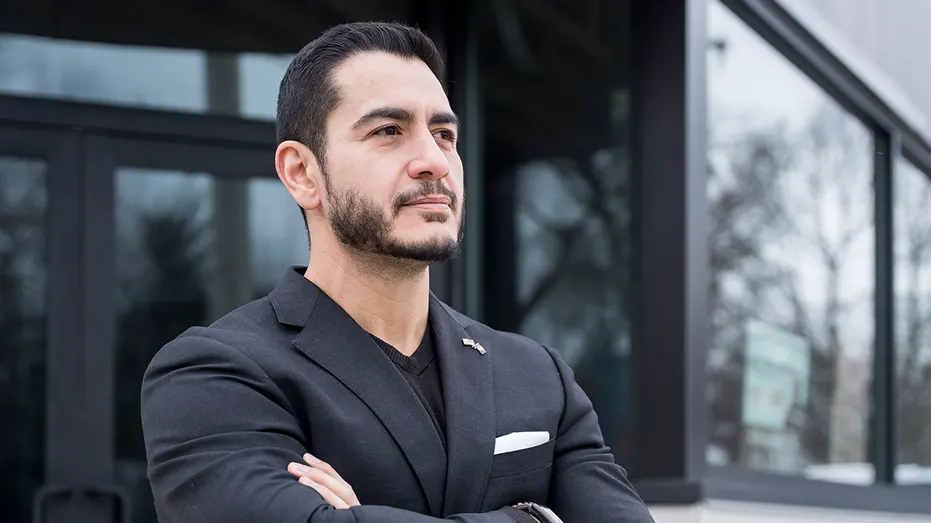
New campaign claims from Abdul El-Sayed focus on Mike Rogers’s record on healthcare and energy, sharpening El-Sayed’s argument that his Republican opponent serves corporate interests over Michiganders. The Democratic Senate candidate says Rogers took donations from pharmaceutical and oil companies while in Congress, then backed policies that raised costs for families.
El-Sayed says his campaign has held more than 700 events in over 120 Michigan cities, including towns that backed Donald Trump by 30 points, where he says voters feel overlooked. He also cites estimates that tariffs cost the average Michigan household $5,600 and that the Iran war has added about $20 to each tank of petrol; these are claims made in his opinion article. The supplied article text ends mid-sentence, so it does not include the full account of Rogers’s record.
- Sources
- 2
- Outlets
- 2
- Left · Centre · Right
- 0 · 0 · 1
In short
- El-Sayed renews his criticism of Rogers’s corporate ties.
- He says rural and northern voters feel neglected.
- His cost estimates are campaign claims.
How this story developed
- 1 hour ago Abdul El-Sayed, a candidate for the US Senate in Michigan, argues that voters in rural and northern parts of the state have been overlooked by both major parties.
- 1 hour ago New campaign claims from Abdul El-Sayed focus on Mike Rogers’s record on healthcare and energy, sharpening El-Sayed’s argument that his Republican opponent serves corporate interests over Michiganders.
Full account
Dr Abdul El-Sayed says his Senate campaign is built around reaching Michiganders who feel overlooked by politicians. He points to a recent week-long tour of Northern Michigan and the Upper Peninsula, where he held town halls in communities including Escanaba, Iron Mountain, Marquette and Sault Ste Marie. He recalls one Escanaba resident telling him it was her first political rally because candidates rarely visit the town.
El-Sayed argues that neglect is not confined to one party: he says Republicans take rural voters for granted, while many Democrats do little campaigning in those areas. His campaign, he says, has staged more than 700 events in over 120 cities. He describes crowds in rural districts and says some attendees are former supporters of Donald Trump, presenting the gatherings as evidence that voters across party lines want change.
The candidate frames that change around the cost of living. He says people he meets—including a farmer, a teacher and working parents—are struggling with the price of fuel, food and healthcare. He attributes additional costs to the Trump administration’s tariffs and the war with Iran, citing estimates that tariffs cost the average Michigan household $5,600 and that filling a car costs about $20 more. These figures and explanations are claims made in his campaign account.
A separate report focuses on musician Bruce Springsteen’s endorsement of El-Sayed. Springsteen said he supported the Democrat because he viewed him as a defender of the Constitution and democracy, and criticised the White House leadership. The endorsement comes as El-Sayed faces Republican Mike Rogers in a closely contested race to succeed Democratic Senator Gary Peters. The report also notes Michigan Representative Haley Stevens’s reported switch from supporting El-Sayed to backing Rogers, and the state Democratic Party chairman’s response that she was no longer a party member.
Where outlets differ
From the full account, which is AI-written from the sources:
The first account is El-Sayed’s own campaign narrative: it centres on his northern Michigan tour, voter concerns and economic arguments, and presents his campaign’s reach as evidence of momentum. The second is an entertainment-news report centred on Springsteen’s endorsement and the surrounding political developments, including Stevens’s change of position. It does not independently substantiate the campaign’s claims about town-hall attendance, household costs or the effects of tariffs and the Iran war.
Steelman: both sides, in good faith
The strongest fair case each way — we don't pick a winner.
The case for
El-Sayed’s case is that Rogers’s support from pharmaceutical and oil companies, alongside policies he says increased household costs, raises fair questions about whose interests his opponent would serve in the Senate. His campaign’s outreach in heavily pro-Trump towns also supports his argument that voters across the state want representation attentive to local economic pressures.
The case against
Rogers’s donations and voting record need fuller context before they can establish that he prioritised corporate interests or caused higher costs; the supplied account does not provide that context or his response. The cited estimates on tariffs and petrol are claims in El-Sayed’s opinion article, so voters could reasonably seek independent evidence and weigh them against the case for Rogers’s policies.
Explained simply
Michigan’s Senate race is a contest for one of the state’s two seats in the US Senate, which helps make federal laws and approve government spending. Abdul El-Sayed is a Democratic candidate and physician; Mike Rogers, a Republican, is his opponent.
Healthcare costs and energy policy are federal issues that can affect household budgets, and both candidates’ records and proposals are part of the campaign debate. Michigan includes cities and smaller towns with different political views, so candidates seek support across the state.
Coverage · 2 sources
Elections Government Politics World