Business news and discussion on TalkFuse.
I’m Mike Rogers. This is why I want Michigan’s vote for Senate
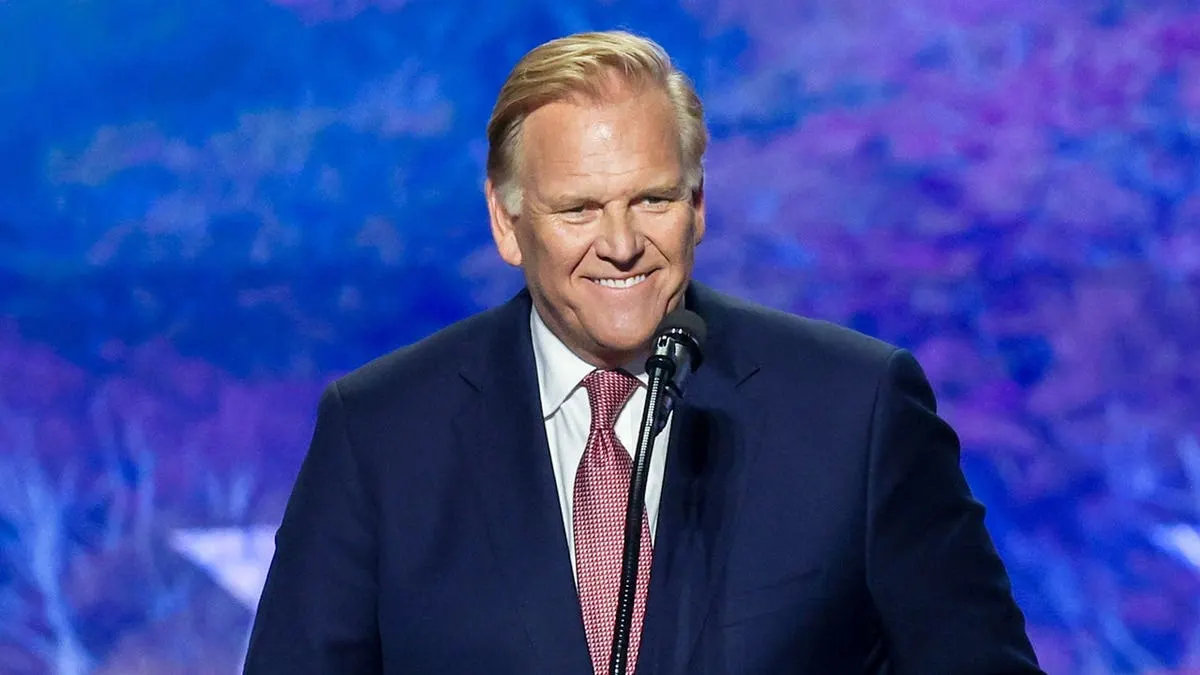
Mike Rogers, a Republican candidate for the US Senate in Michigan, argues that voters should choose him because he would prioritise working families and the state’s economy. He portrays the race against Democrat Abdul El-Sayed as a contest over both policy and values, and says his background in the Army and FBI informs his concerns about El-Sayed’s associations and remarks.
Rogers cites Michigan’s 45th-place education ranking, high utility costs and rising housing costs as problems he wants to address by improving literacy and restoring manufacturing jobs. He criticises El-Sayed’s support for the Green New Deal and Medicare for All, arguing these would raise costs and affect jobs and healthcare choices. Rogers also accuses El-Sayed of associating with people who support terrorism and of responding sympathetically to an attacker; these are Rogers’s claims in an opinion piece. The provided article text ends mid-sentence as Rogers says he is focused on delivering solutions.
In short
- Rogers makes a case for his Senate campaign in Michigan.
- He focuses on costs, education and manufacturing jobs.
- He attacks El-Sayed’s policies and associations.
Steelman: both sides, in good faith
The strongest fair case each way — we don't pick a winner.
The case for
A supporter of Rogers could argue that Michigan needs a senator focused on literacy, affordable energy and housing, and rebuilding manufacturing employment, and that his military and FBI experience gives him relevant insight into security concerns. They might also see his criticism of the Green New Deal and Medicare for All as a case for protecting jobs, limiting costs, and preserving choice in health care.
The case against
A supporter of El-Sayed could argue that ambitious climate and health-care reforms are needed to address long-term risks and make care more accessible, and that their costs should be weighed against the costs of inaction and gaps in coverage. They might also say that claims about associations or responses to an attack should be judged against clear evidence and context, rather than treated as a substitute for comparing the candidates’ policies.
Explained simply
Michigan elects one of its two US senators to represent the state in the federal government in Washington. The seat is contested by Republican Mike Rogers and Democrat Abdul El-Sayed, whose different political views shape their arguments about the state’s priorities.
Rogers has served in the Army and the FBI, and points to that experience when discussing security and his concerns about El-Sayed’s associations and remarks. The article presents those accusations as Rogers’s claims; they are part of his case against his opponent, rather than independently established facts in the material provided.
The debate also touches on education, energy bills, housing, manufacturing, healthcare and climate policy. These issues matter because federal decisions can affect jobs, public services and household costs, while the senator’s role is to represent Michigan’s interests in national lawmaking.
Business Economy Elections Government Politics World