IMAX or LieMax? How to tell the difference
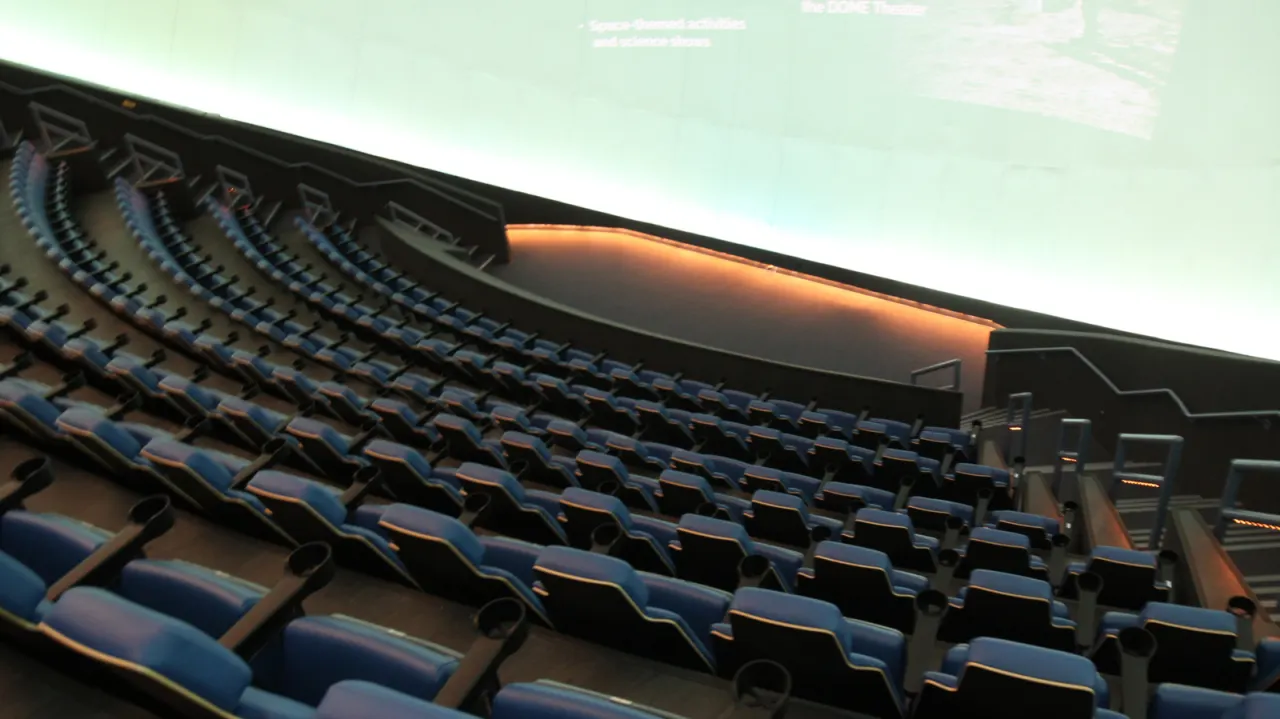
The article explains why an IMAX ticket does not always guarantee the same cinema experience, distinguishing full-scale IMAX venues from smaller multiplex installations often labelled “LieMAX” by enthusiasts. This matters particularly for films such as Christopher Nolan’s The Odyssey, where only a limited number of cinemas can show the taller 1.43:1 image in 70mm IMAX or equivalent dual-laser projection.
The “LieMAX” nickname emerged in 2009 in response to smaller IMAX Digital Xenon screens, but it has no formal technical definition and is now used inconsistently. Viewers should check screening labels, aspect ratios and projector types: IMAX 70mm is the clearest indicator, while “IMAX with Laser” may mean either 1.43:1 dual-4K GT Laser or a typically 1.90:1 single-laser system; unofficial maps and the cinema itself can help confirm details.
- IMAX venues can offer very different screen sizes and projection systems.
- 70mm IMAX and GT Laser support the tallest 1.43:1 presentations.
- Check the specific cinema’s screen ratio and projector before travelling.
New here? Start with this
IMAX is a cinema format that can use larger screens and specialised projection systems. Some films are made to show extra picture above and below the usual widescreen frame, so the version a cinema can project affects how much of the image viewers see.
IMAX cinemas vary in screen size and equipment. The nickname “LieMAX” is used by some film fans for smaller installations, but it has no formal technical definition, so the label alone does not reliably describe a cinema’s setup.
For films made in the taller 1.43:1 format, only venues with suitable screens and projection systems can show the full image. Screening details such as “IMAX 70mm”, the stated aspect ratio and projector type can help viewers compare venues; cinema staff or independent venue maps may provide further information.
Both sides, in good faith
The strongest fair case each way — we don't pick a winner.
The case for
Distinguishing between IMAX formats helps audiences make informed choices, especially when a film’s expanded image is available only at select venues. Clearer labels for screen format and projection equipment could set accurate expectations and help viewers decide whether a higher-priced ticket is worthwhile.
The case against
The “LieMAX” label is informal and inconsistently applied, so it can unfairly suggest that smaller IMAX installations are deceptive or offer no worthwhile experience. Different formats serve different venues and audiences, and enthusiasts’ rankings may obscure that a smaller screen can still deliver a compelling presentation.