World news and discussion on TalkFuse.
Imprisoned ex-Pakistan PM Imran Khan, 74, warns he ‘may not return alive’: British sons make plea
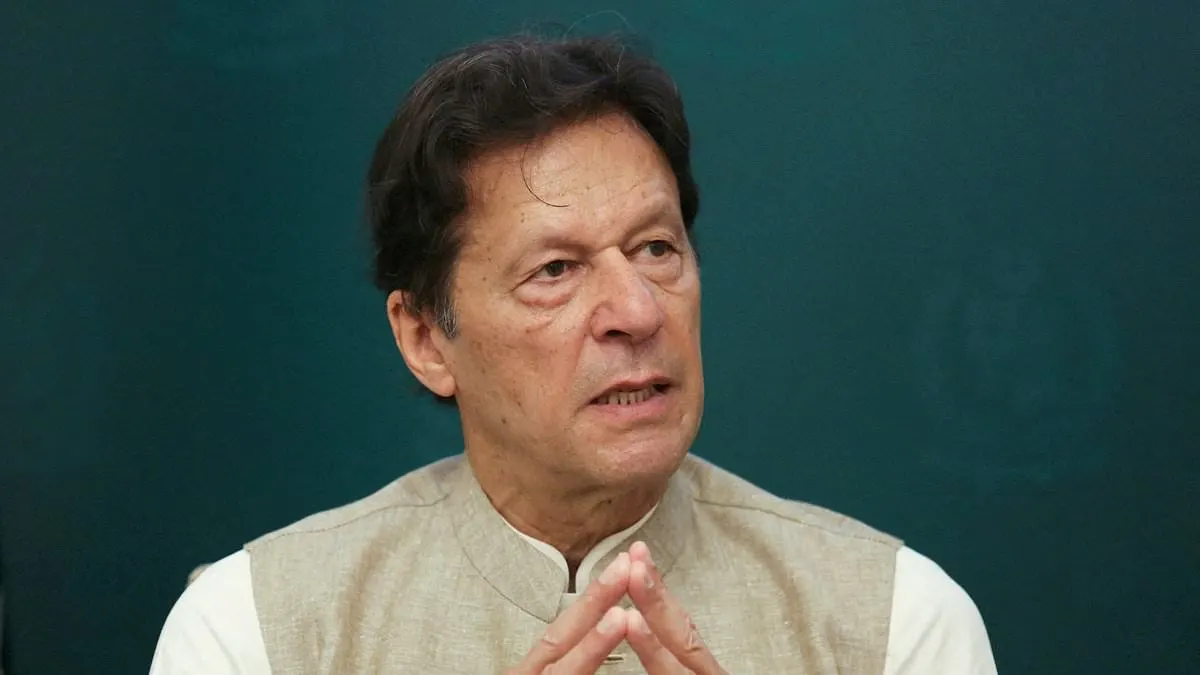
Imran Khan, Pakistan’s imprisoned former prime minister, has asked the Supreme Court to allow urgent hospital treatment, warning in a letter that he may not survive without it. His sons, Kasim and Sulaiman, have urged the British government to help them see their father and say they fear his health is deteriorating in prison.
Khan says his blood pressure is dangerously high and doctors have warned of a risk of brain haemorrhage and cardiac arrest; he also says solitary confinement is harming his mental health. His son Sulaiman cited a reading of about 193 and said a court order for private hospital treatment had been ignored. A Pakistani cabinet minister disputes this account, saying Khan has received eight examinations at a hospital and that his health and blood pressure were satisfactory. Khan has been in prison since 2023, serving a 14-year sentence after convictions he denies.
In short
- Imran Khan seeks urgent hospital care from prison.
- His sons say his health is at serious risk.
- Pakistan’s government says he has received regular medical checks.
Steelman: both sides, in good faith
The strongest fair case each way — we don't pick a winner.
The case for
Khan’s supporters can argue that the reported high blood-pressure reading, stated medical risks and alleged failure to follow a court order warrant urgent independent assessment and hospital care. They may also contend that access to family and scrutiny of prison conditions are important safeguards, especially when a prisoner’s health is at stake.
The case against
The government’s position is that Khan has been examined repeatedly at a hospital and that his health and blood pressure were satisfactory, which could support the view that his treatment is being monitored and does not require the urgent intervention his family seeks. Officials may argue that medical decisions should rest on clinical assessments and established procedures, while recognising the need to address any credible evidence of deterioration.