New releases, music videos and album news — indie, rap, rock and pop. Always covering Ren, Chris Webby, Sam Tompkins, bbno$, CHINCHILLA, Muse, Yungblud and more.
In 1960, Stanley Kubrick predicted ‘Spartacus’ would be “a contender for awards”. It won 4 Oscars, but he wasn’t even nominated
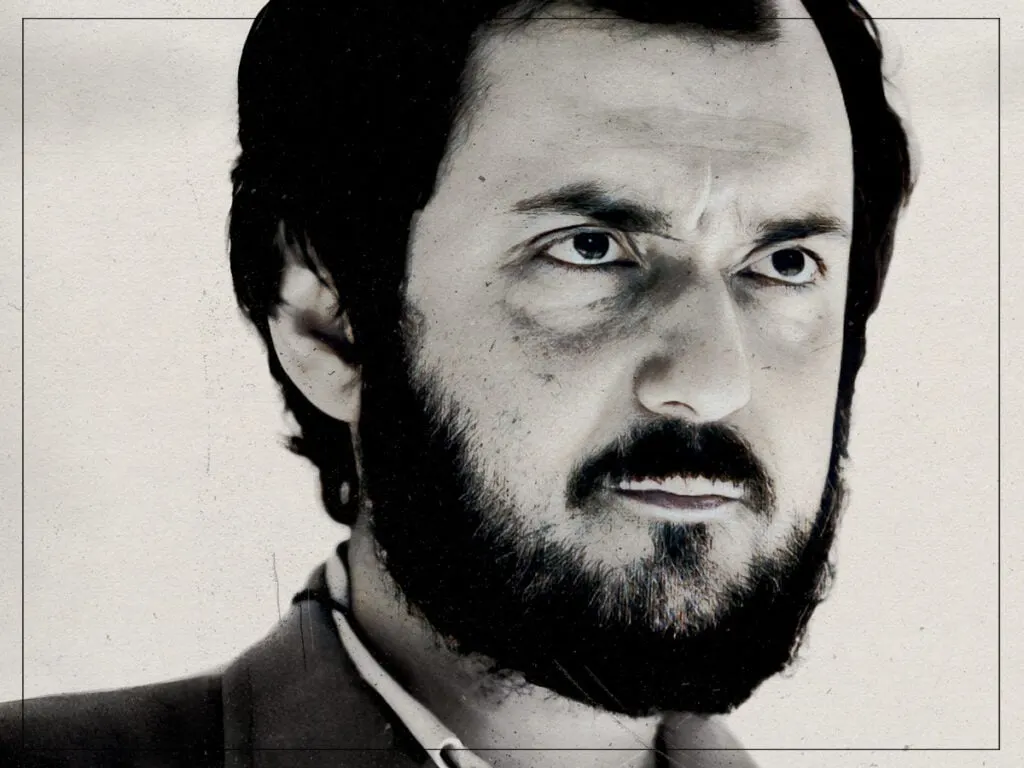
Stanley Kubrick took over the troubled production of *Spartacus* in 1959, despite having little experience with films on its scale. The film became a celebrated Hollywood epic, though its director’s forceful methods and confidence reportedly caused friction on set.
Kubrick predicted the film would contend for awards, saying it was as good as *Paths of Glory* and reflected his own vision. At the 1961 Academy Awards, *Spartacus* won four Oscars, including Best Supporting Actor for Peter Ustinov, but Kubrick was not nominated for Best Director; he later disowned the film.
In short
- Kubrick took over *Spartacus* after its original director left.
- The film won four Oscars in 1961.
- Kubrick was not nominated for Best Director.
Steelman: both sides, in good faith
The strongest fair case each way — we don't pick a winner.
The case for
Kubrick’s absence from the Best Director nominations can be seen as a notable failure to recognise the director who took charge of a difficult production and helped shape a film that won four Oscars. His confidence that the film reflected his vision, and its later standing as a celebrated epic, support the case that his creative contribution merited consideration.
The case against
The Academy’s decision can also be defended as a judgement about that year’s directing field, rather than a verdict on the film’s overall quality. *Spartacus* was a collaborative production, and its four awards recognised achievements in other categories; winning Oscars did not necessarily mean its direction had to be nominated. Kubrick’s later disavowal of the film also complicates claims that it represented his work as he intended.
Explained simply
Spartacus is a historical epic about a slave revolt against the Roman Republic, led by the enslaved gladiator Spartacus. The 1960 film starred Kirk Douglas, who also helped bring the project to the screen, and was made on a scale that put heavy demands on its cast and crew.
Stanley Kubrick took over as director during production, after earlier directing smaller films. His approach and strong views reportedly led to tensions on set. The film’s later success, alongside Kubrick’s absence from the directing nominations and his eventual rejection of the film, raises questions about how much of its achievement he considered his own.