In 1966, a 15-year-old Stevie Wonder wrote a song about his girlfriend in an hour. It now has over 180,000,000 streams
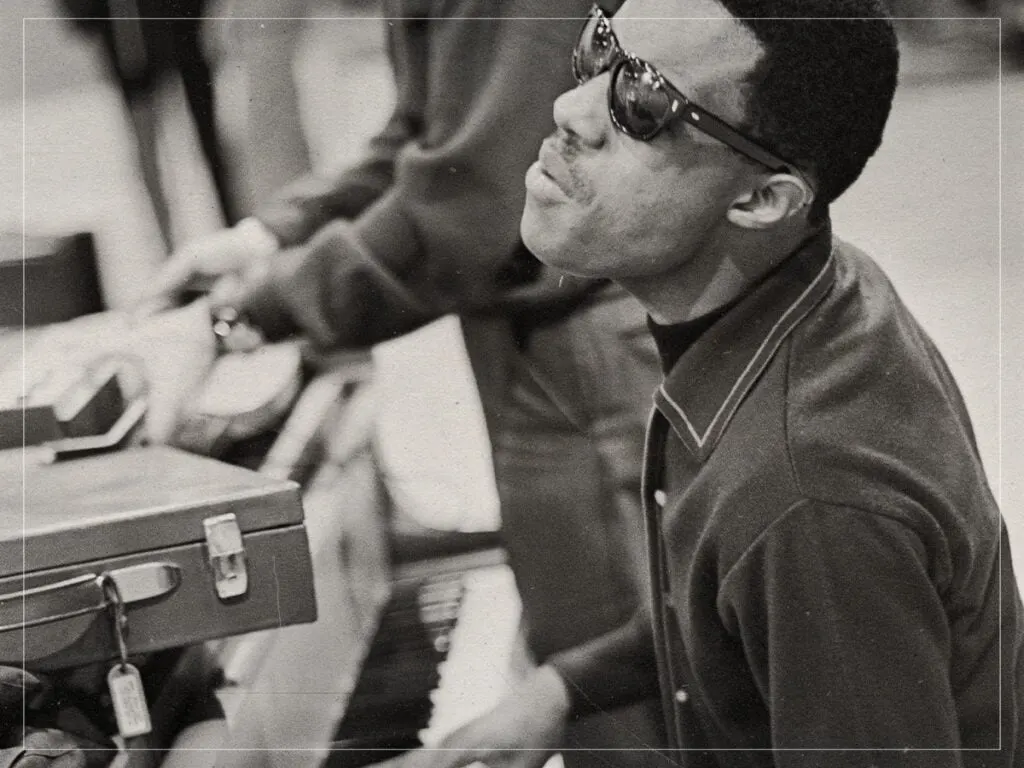
Stevie Wonder wrote the song that became “My Cherie Amour” in about an hour during a piano lesson at school in 1966, when he was a teenager. Originally titled “Oh, My Marcia” after his girlfriend, it was reshaped by Motown songwriters Sylvia Moy and Henry Cosby after the relationship ended. The song’s eventual success helped show that Wonder’s talent could endure beyond his child-prodigy years, when Motown executives were uncertain about his future.
Berry Gordy recognised the song’s potential, and Moy changed its title to “My Cherie Amour”, meaning “My Dear Love”, and blended French with English. Recorded in stages from November 1967 to January 1968, it went unreleased for nearly a year and first appeared as a B-side. Radio DJs and listeners made it a hit: Motown reissued it as an A-side, and it reached number four on the US Hot 100 and R&B charts in August 1969. It has since accumulated more than 180 million streams.
In short
- Wonder wrote the song as a teenager in about an hour.
- Motown first released it as a B-side.
- It reached number four in the US and has over 180 million streams.
Explained simply
Stevie Wonder was signed to Motown as a child and became known as a musical prodigy. As he grew older, the label’s executives were unsure whether his early success would continue. Motown was the record company founded by Berry Gordy, whose songwriters and producers helped shape many of its artists’ recordings.
Sylvia Moy and Henry Cosby were among the Motown writers who worked with Wonder. Moy helped develop the song and gave it a new title, while Gordy recognised its potential. It was first released on the reverse side of another record, but radio play led Motown to promote it as the main song.
Its success showed that Wonder could reach listeners as a young adult as well as a child performer. The song’s later popularity, including its large number of streams, has kept it in circulation for new audiences.
Art Culture Entertainment Music