New releases, music videos and album news — indie, rap, rock and pop. Always covering Ren, Chris Webby, Sam Tompkins, bbno$, CHINCHILLA, Muse, Yungblud and more.
In 1974, Bruce Springsteen wrote the most cinematic line of his career. One year later, he turned it into “the greatest rock record”
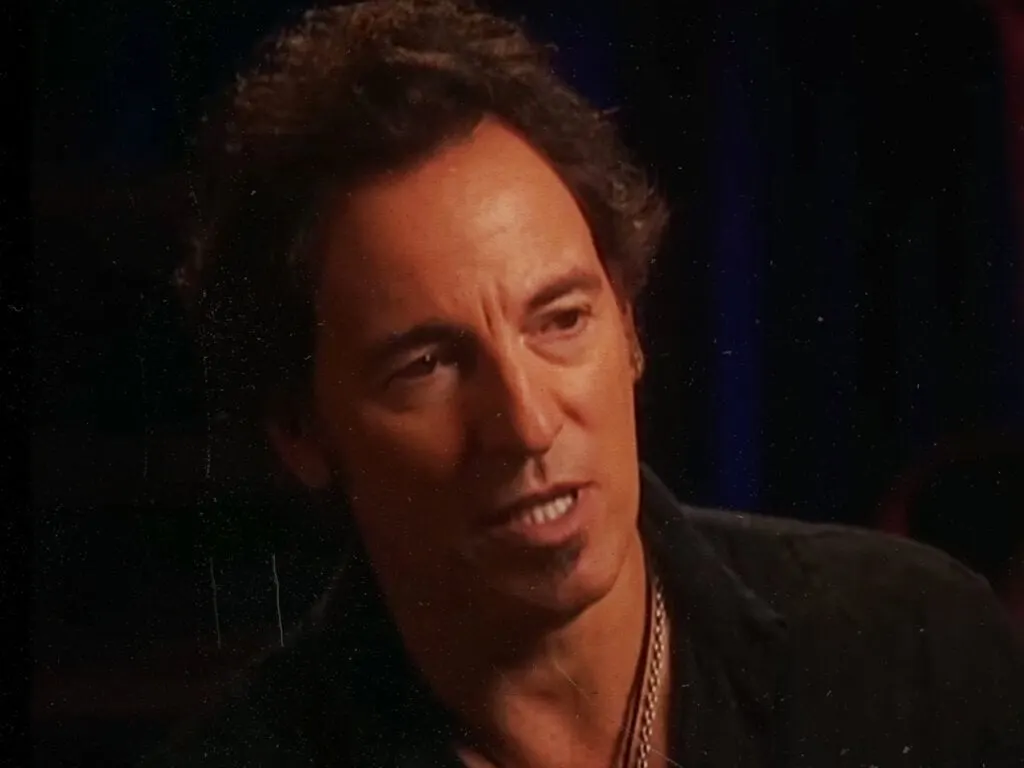
In 1974, while still building his career with the E Street Band, Bruce Springsteen hit on the phrase “born to run” and saw the cinematic possibility in it. The song and the album that followed became an ambitious attempt to capture young people seeking a way out of their hometowns, helping establish a lasting image of Springsteen as a major rock artist.
Springsteen later described the project as his “shot at the title”, aiming to make “the greatest rock ‘n’ roll record ever” at 24. He drew on the influence of artists including Phil Spector, Elvis Presley and Roy Orbison, while giving the song’s characters a grounded story about hunger for a different life. The article presents *Born to Run* as a defining part of his legacy.
In short
- Springsteen found the phrase “born to run” in 1974.
- He saw the song as cinematic and ambitious.
- At 24, he aimed to make the greatest rock record.
Explained simply
Bruce Springsteen is an American singer-songwriter who performs with the E Street Band. In the early 1970s, he was building a following with songs about working-class life and people hoping for something beyond their hometowns.
His third album, Born to Run, was released in 1975. Springsteen drew on the dramatic sound of artists such as Phil Spector, Elvis Presley and Roy Orbison, while telling a story centred on young people seeking a different future.
The album helped establish Springsteen as a major rock artist and became a defining work in his career. Its lasting reputation reflects both its ambitious sound and its portrayal of people trying to change their lives.