In 1975, Paul Simon wrote a song that meant nothing. The world fell in love with it
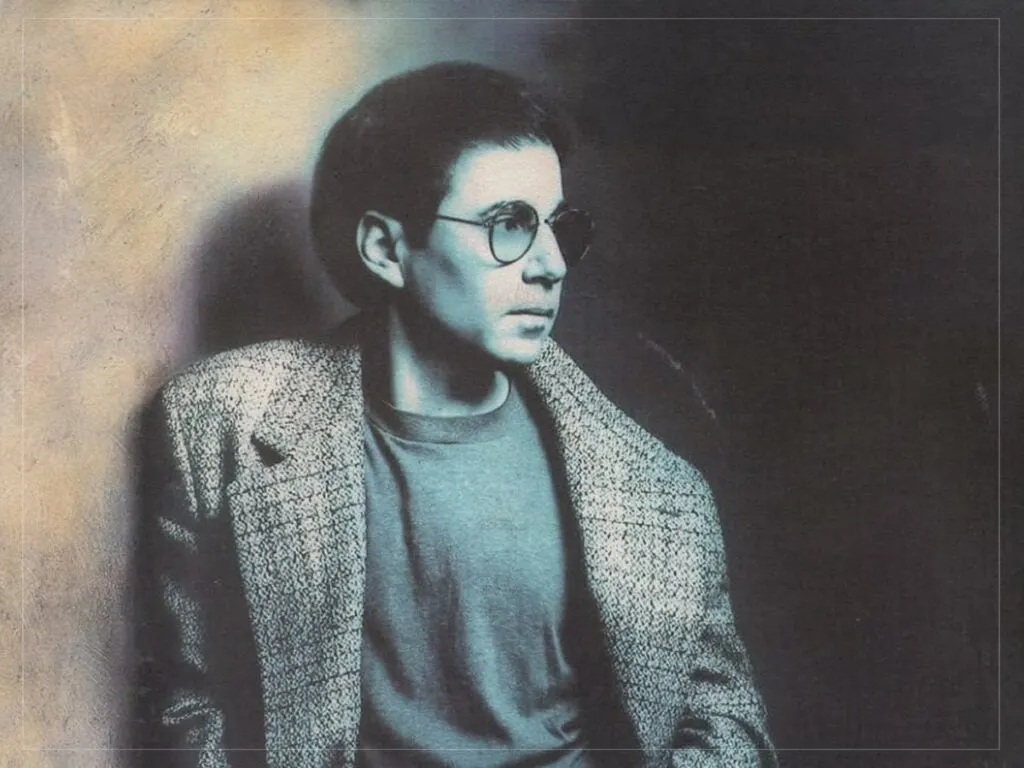
Paul Simon wrote ‘50 Ways to Leave Your Lover’ for his 1975 album *Still Crazy After All These Years*, but considered its lyrics largely nonsense. The song became one of his best-known hits, showing how its catchy phrasing and inventive music could connect with listeners even without a complex story.
Simon said the opening line came to him while he was at home in Central Park, and that he built the song around it using a Rhythm Ace drum machine. The article highlights the work of studio musicians Tony Levin and Steve Gadd, and suggests the playful lyrics suited the song’s unusual rhythms and chords.
In short
- Simon called the song “basically a nonsense song”.
- Its playful lyrics and inventive arrangement helped it become a hit.
- It appeared on his 1975 album *Still Crazy After All These Years*.
Explained simply
Paul Simon is an American singer-songwriter who first became famous as one half of the folk-rock duo Simon & Garfunkel, then built a solo career. In the 1970s, he was known for songs that paired carefully crafted music with lyrics that could be personal or playful.
‘50 Ways to Leave Your Lover’ appeared on his 1975 album Still Crazy After All These Years. Its sound was shaped by studio musicians, including drummer Steve Gadd and bassist Tony Levin, and by the use of an early drum machine. The song is an example of how a memorable tune and distinctive rhythm can appeal to listeners even when the words do not tell a clear, detailed story.