In 1982, Michael Jackson made the best-selling album ever. Elton John believed that was part of the problem
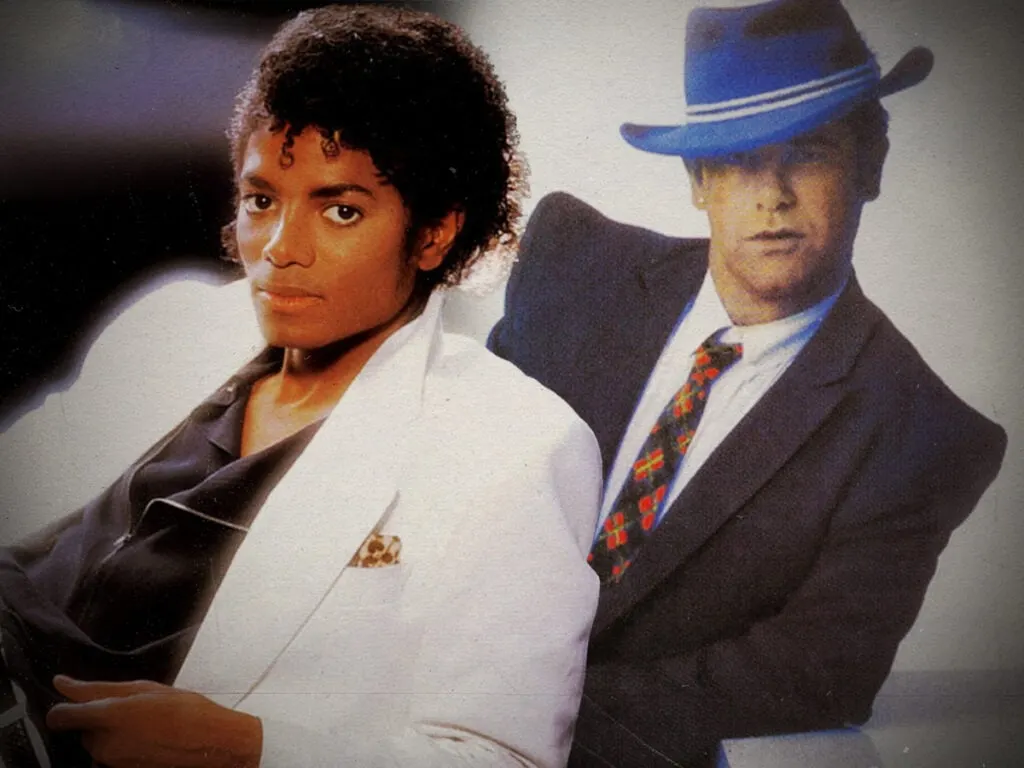
Elton John believed the success of Michael Jackson’s *Thriller* created pressure for Jackson to surpass an almost impossible benchmark. John said records of that scale come along once in a lifetime, and that artists eventually need to find their feet rather than keep trying to top them.
The article says John admired Jackson from his days with the Jackson 5 and regarded *Thriller* as an exceptional pop album. It presents John’s own career as context: when *Rock of the Westies* sold less than his other work, he was willing to change direction instead of trying to recreate *Goodbye Yellow Brick Road*. The article gives no sales figures.
In short
- John said *Thriller* set an almost impossible standard.
- He urged Jackson to stop trying to outsell it.
- John’s own career taught him to accept change.
Steelman: both sides, in good faith
The strongest fair case each way — we don't pick a winner.
The case for
Elton John’s view is that a record-breaking success can become an unhealthy benchmark: trying to surpass a once-in-a-lifetime album may put pressure on an artist to repeat the past instead of developing their own direction. His experience of changing course after a less successful release offers a case for treating artistic growth as more important than matching earlier sales.
The case against
A landmark success can also give an artist a meaningful standard to pursue, and aiming to surpass it may spur ambition, experimentation and continued engagement with listeners. From this perspective, the pressure is not necessarily harmful: an artist can choose to build on what worked while still making new music, rather than treating past achievement as a reason to let go of commercial or creative goals.
Explained simply
Michael Jackson first became famous as a child singer with the Jackson 5, before building a solo career. His 1982 album Thriller became a landmark in pop music and set a very high bar for what he might achieve next.
Elton John was an established British singer and songwriter whose career had included major commercial successes as well as albums that sold less well. He admired Jackson’s music and drew on his own experience of changing direction rather than trying to repeat an earlier hit.
The story concerns the pressure that can follow an exceptional success: whether an artist is expected to keep surpassing it, or can move on and develop in a different way. That tension matters to musicians whose later work is often judged against their best-known achievements.
Art Culture Entertainment Music