In condescending, smug speech, Jim Chalmers warns the Left: Don’t be smug and condescending: PETER VAN ONSELEN
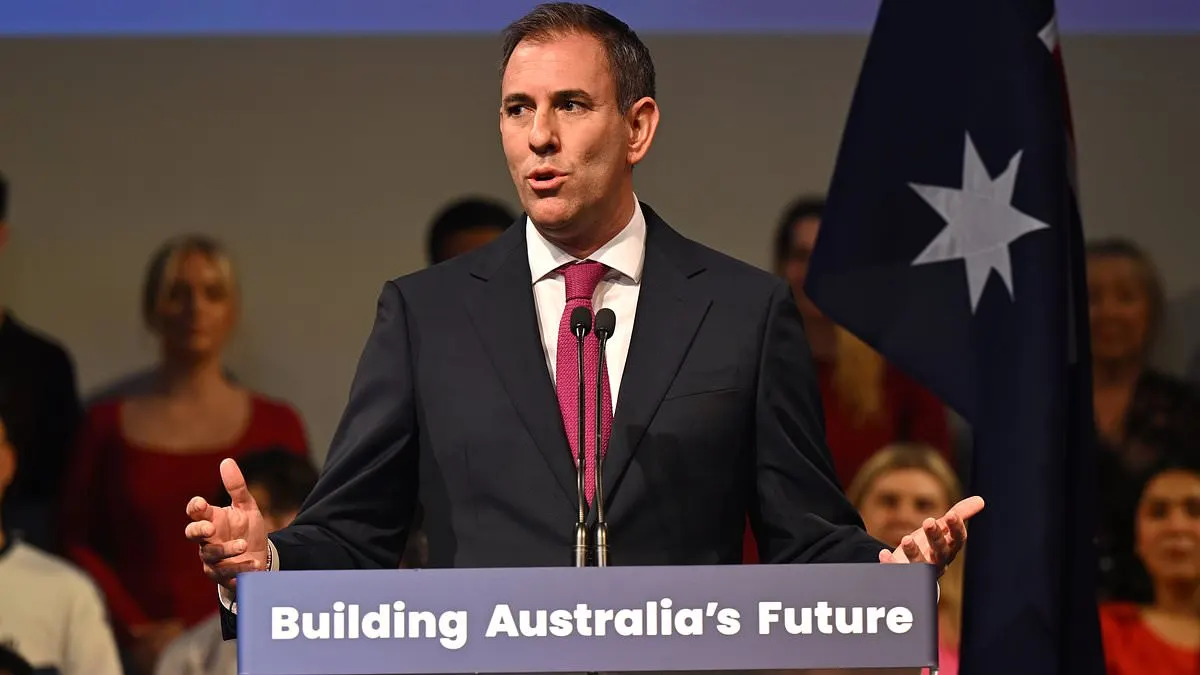
Treasurer Jim Chalmers urged progressives not to scold or mock Australians who support One Nation, arguing that condescension is unlikely to change their minds. The article welcomes the warning but argues that Chalmers undercut it by portraying voters as driven by feelings and online influence, rather than engaging fully with their economic concerns.
The commentary says people facing mortgage repayments, rising bills and business costs may have sound reasons to criticise the government. It also questions Chalmers’ emphasis on algorithms, nostalgia and overseas uncertainty, and says Labor must show how its proposed changes to negative gearing, capital gains and trusts will benefit working people.
- Chalmers told progressives to stop talking down to One Nation voters.
- The article says his own speech risked sounding condescending.
- It argues voters’ economic concerns deserve a direct response.
New here? Start with this
Jim Chalmers is Australia’s treasurer, responsible for the government’s economic policy. One Nation is a right-wing populist party that attracts support from some voters dissatisfied with established parties.
The debate centres on how politicians should respond to that support. Cost-of-living pressures, including mortgage repayments and rising bills, are part of the economic concerns being discussed, alongside Labor’s proposed changes to tax rules for property and trusts.
The issue matters because dismissing voters’ concerns can deepen distrust, while explaining policy choices helps people judge what those changes could mean for them.
Both sides, in good faith
The strongest fair case each way — we don't pick a winner.
The case for
Chalmers is right that scolding or mocking One Nation supporters is unlikely to persuade them and may deepen distrust. Economic pressures such as mortgage repayments, household bills and business costs deserve serious engagement, and Labor should explain clearly how its proposed tax changes would help working people.
The case against
Chalmers’s warning can still be valuable even if his account of voters’ motives was incomplete: recognising the influence of online platforms, nostalgia and uncertainty may help explain political shifts without dismissing material concerns. Progressives can challenge One Nation’s appeal while avoiding condescension, and need not treat economic grievances as the only factor shaping voters’ choices.