India and China aren’t friends – but Nepal wants to unite them against climate threats
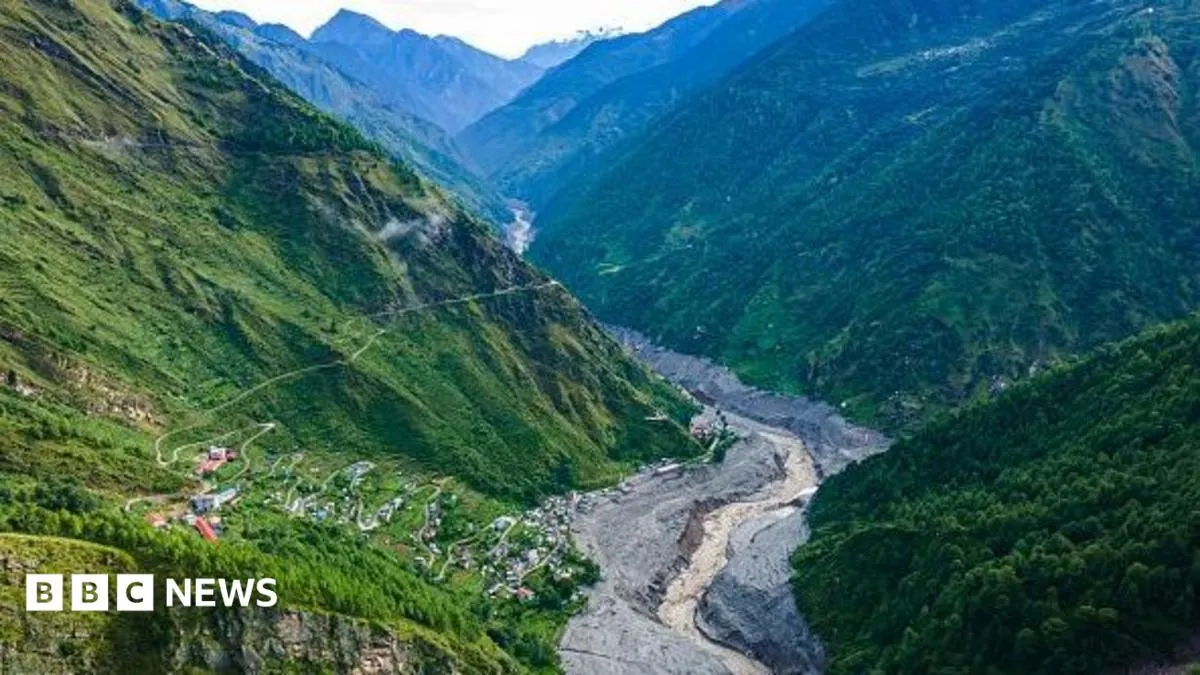
Nepal’s Prime Minister Balendra Shah has proposed a Himalayan Climate Resilience Mechanism to help Nepal, India and China co-ordinate disaster response and share scientific information. The proposal aims to address climate threats that cross borders, though it is an early-stage plan and comes amid longstanding tensions between India and China.
The Himalayan region is warming faster than the global average, increasing risks from glacier retreat, landslides, avalanches and sudden floods. A report found that glacier ice loss across the Hindu Kush Himalaya has doubled since 2000 compared with 1974–1999; on the Qinghai-Tibet Plateau, glaciers have shrunk by 24% in area over six decades. More than 14,000 glacial lakes lie on the plateau, and several major rivers flowing through the region begin there.
- Nepal wants India and China to co-operate on Himalayan climate risks.
- The proposed mechanism would support shared data and disaster response.
- Glacier retreat and cross-border flood risks are rising.
New here? Start with this
The Himalayas span Nepal, India and China, and feed rivers that millions of people rely on. As the region warms, shrinking glaciers and unstable slopes can increase the risk of avalanches, landslides and sudden floods, with effects that may cross national borders.
Nepal’s proposed Himalayan Climate Resilience Mechanism would give the three countries a way to co-ordinate disaster responses and share scientific information. It is at an early stage, and co-operation would involve India and China, whose relations have long been strained by disputes and mistrust.
Both sides, in good faith
The strongest fair case each way — we don't pick a winner.
The case for
A shared resilience mechanism could help Nepal, India and China exchange scientific data and co-ordinate warnings and disaster response across borders, where floods and other hazards do not stop at national boundaries. Even limited practical co-operation may protect lives and livelihoods, while building trust around a common need without requiring the countries to resolve wider disputes.
The case against
A regional mechanism may prove difficult to make effective while India and China have serious tensions and may be reluctant to share sensitive data or depend on one another during emergencies. With the proposal still at an early stage, creating new co-ordination structures could consume scarce attention and resources unless countries first agree on clear responsibilities, reliable information-sharing and practical ways to act together.