Indian opposition urges election chief’s resignation over voter roll allegations
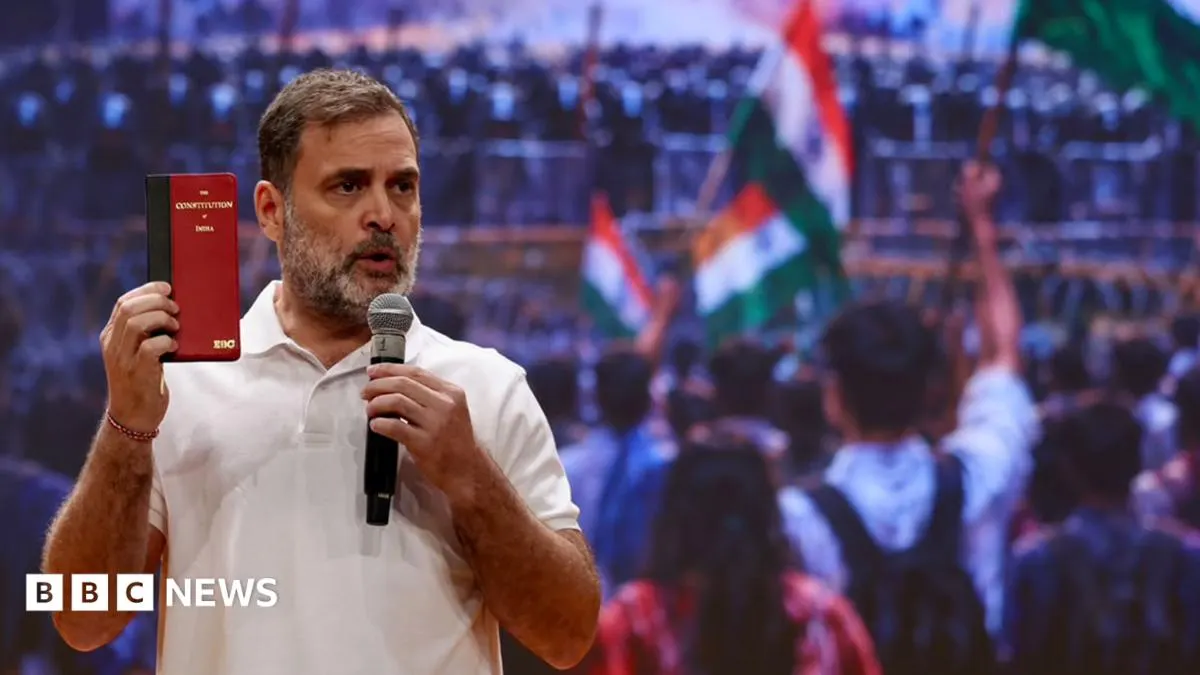
India's opposition parties staged a march to the Supreme Court in New Delhi on Monday to demand the resignation of election chief Gyanesh Kumar, alleging he has manipulated voter rolls to benefit Prime Minister Narendra Modi's ruling BJP. The demonstration reflects growing opposition concern about electoral integrity, with thousands detained by authorities in recent days and heavy security deployed across the capital.
Opposition leader Rahul Gandhi called all opposition parties and civil society groups to join the march, which began with several thousand supporters on Barakhamba Road. Although the Chief Justice declined to meet the opposition leaders directly, he indicated he would hear their formal petition if filed in court. Authorities imposed extensive restrictions, including traffic curbs, metro station closures and train cancellations, detaining thousands of protesters over the weekend, including pressure group leaders who were apprehended at an airport.
- Opposition demands election chief resign over voter roll manipulation allegations
- Chief Justice declined direct meeting but said he'd hear their formal petition
- Authorities detained thousands and shut down metro stations to restrict movement
New here? Start with this
India conducts regular national elections to determine which party governs, with hundreds of millions of eligible voters participating. The election commission is responsible for maintaining voter rolls – the official lists of registered voters – and their accuracy is essential to fair elections.
Prime Minister Narendra Modi leads the ruling BJP party, which has held power since 2014. Opposition parties – the various political groups opposing the BJP – have begun alleging that the election commission's chief, Gyanesh Kumar, has manipulated voter rolls to benefit the ruling party unfairly.
Concerns about voter roll integrity strike at the heart of democratic elections. If eligible voters are excluded or registration processes manipulated for political advantage, it raises questions about whether election results reflect what voters genuinely want. This matters fundamentally to any functioning democracy.
Both sides, in good faith
The strongest fair case each way — we don't pick a winner.
The case for
Democratic systems depend on fair elections and transparent electoral machinery. Allegations of voter roll manipulation strike at the heart of electoral legitimacy, and if the election chief cannot credibly address these concerns, he has lost the confidence necessary for the role. The opposition's right to protest and seek accountability through legal channels reflects normal democratic checks and balances, and the state's heavy security response raises legitimate questions about whether concerns about electoral integrity are being suppressed rather than addressed.
The case against
Electoral systems require both integrity and institutional stability. Whilst concerns about voter rolls warrant proper investigation through established legal and administrative channels, opposition parties calling for an official's resignation without presenting concrete evidence may themselves constitute political pressure designed to delegitimise democratic outcomes they oppose. The courts and proper institutional processes exist to evaluate claims fairly; mass demonstrations demanding specific resignations risk politicising the electoral commission and establishing a precedent where opposition parties can force removals based on unproven allegations whenever facing electoral defeat.
Read the full article at the source →
Originally published by BBC World as “Indian opposition leaders march to top court to demand election chief resign”.