Indiana takes full advantage of NCAA courtroom chaos with stunning roster move amid eligibility fight
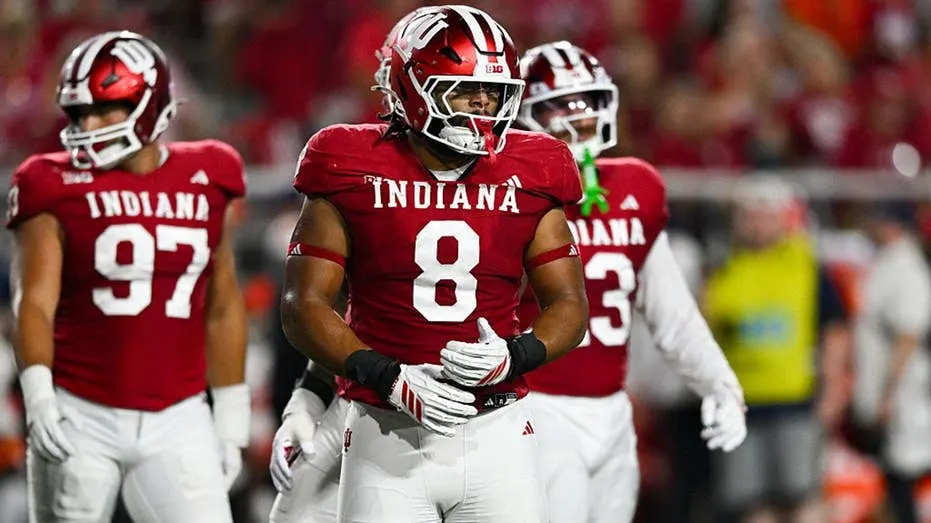
Indiana's defending national champion Hoosiers have made a notable roster move while capitalising on legal uncertainty surrounding NCAA player eligibility rules. The manoeuvre comes as a court battle unfolds between the NCAA and plaintiffs, centred on a Colorado district court ruling that could significantly affect eligibility for the coming season.
The dispute chiefly concerns athletes who began their college careers in 2022, who are now trying to work out how the judge's ruling applies to their remaining eligibility. The wider fallout from the case has already stirred controversy elsewhere in college sport, with Tennessee's coach also criticising the NCAA over a separate suspension linked to eligibility rules.
In short
- Indiana exploits NCAA eligibility court battle with a roster move
- Colorado court ruling affects athletes who started college in 2022
- Case has sparked wider anger across college sport over eligibility rules
Steelman: both sides, in good faith
The strongest fair case each way — we don't pick a winner.
The case for
Schools must operate within the bounds of current law and rules as they exist. If court proceedings have created legitimate ambiguity about eligibility regulations, Indiana's obligation is to follow the best available interpretation of those rules rather than handicap themselves through excessive caution. The responsibility for providing clear guidance rests with the NCAA and judiciary, not individual institutions, and any rational athletic programme would pursue legitimate competitive opportunities within legal bounds.
The case against
The competitive integrity of college athletics depends on good-faith adherence to the spirit of rules, not merely technical exploitation of legal loopholes. Indiana's decision to gain competitive advantage by capitalising on court-created uncertainty—whilst other schools maintain stricter interpretations—fundamentally undermines fair competition. When regulations are in genuine flux due to litigation, responsible athletic leadership should err toward established norms rather than opportunistically mining legal ambiguity for gain.
Explained simply
The NCAA is the governing body for US college sport and sets rules on how long athletes can compete. These rules matter to players whose college careers began in 2022, as they work out how many seasons of eligibility they have left.
A court case in Colorado is challenging how the NCAA applies its eligibility rules, and a judge’s ruling has left its effect on the coming season uncertain. Indiana’s Hoosiers are the defending national champions, while the NCAA and the athletes bringing the case are the main parties in the dispute.