Business news and discussion on TalkFuse.
Inflation hotter than expected in October — adding to Fed’s case for rate hike
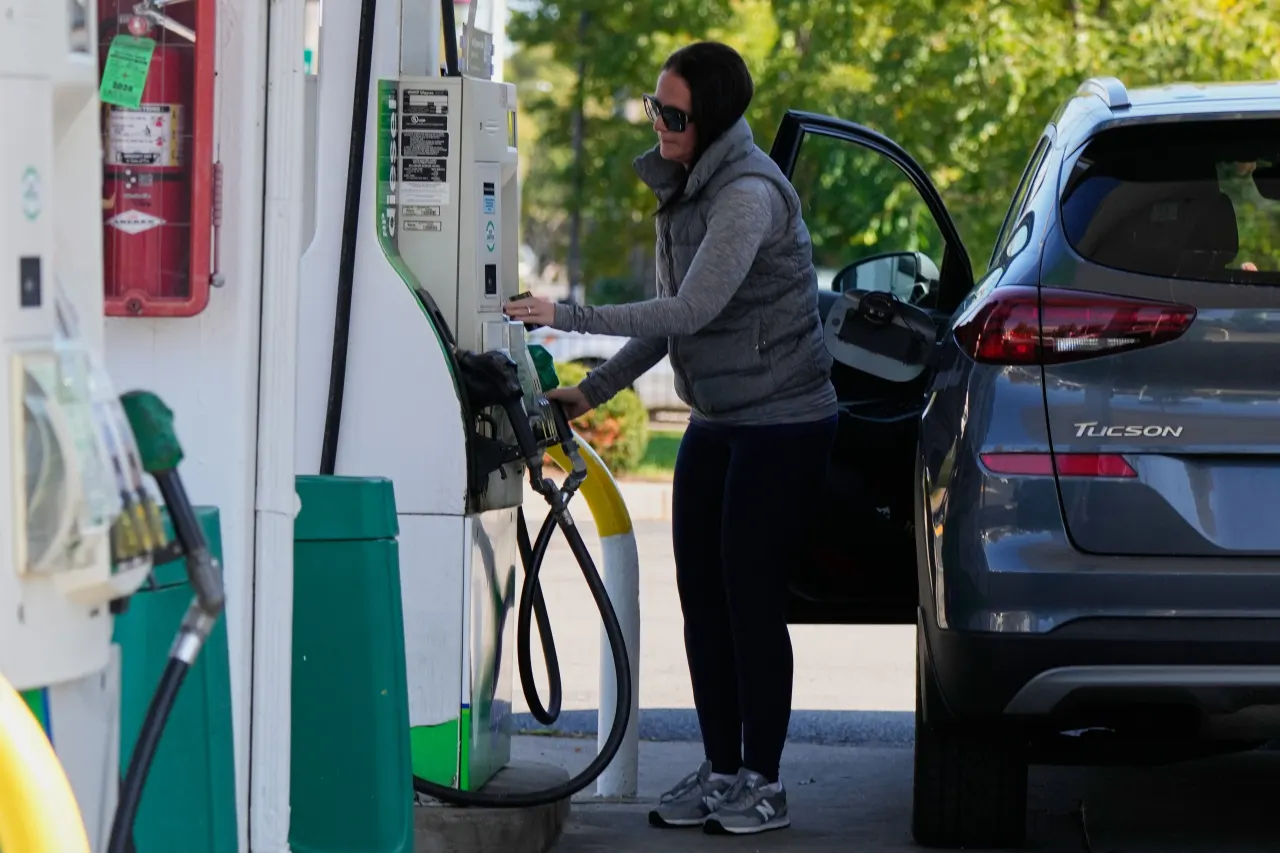
US inflation rose more than economists expected in October, strengthening the case for the Federal Reserve to raise interest rates in December. Higher borrowing costs could help curb price growth, but they may also weigh on households, businesses and financial markets.
The Consumer Price Index increased 0.4% over the month, while core inflation, which excludes food and energy, rose 0.3%; both figures exceeded forecasts. Traders put the chance of a quarter-point December increase above 90%, and Fed officials also discussed a larger move. Food prices rose 0.5%, inflation-adjusted weekly earnings were flat, and household debt reached a record $19.1 trillion, including $1.29 trillion in credit card balances. The article says the 12-month inflation rate was not released because a government shutdown halted data collection.
In short
- October inflation exceeded forecasts.
- Traders see a December rate rise as highly likely.
- Household debt reached a record $19.1 trillion.
Steelman: both sides, in good faith
The strongest fair case each way — we don't pick a winner.
The case for
The stronger-than-expected price rises suggest inflation may remain persistent, and a December rate increase could help cool demand and limit further pressure on household budgets. Acting decisively may also reinforce confidence that the Federal Reserve will bring inflation under control, even if higher borrowing costs impose short-term strain.
The case against
The reported figures cover one month, and the missing 12-month rate makes it harder to judge the broader trend; raising rates on this evidence could risk tightening policy too far. Higher borrowing costs would add pressure for households already facing record debt and flat inflation-adjusted earnings, while potentially weighing on businesses and financial markets.
Explained simply
The Federal Reserve, often called the Fed, is the US central bank. It sets interest rates to support stable prices and employment, and its decisions influence the cost of borrowing across the economy.
The Consumer Price Index tracks changes in the prices people pay for goods and services. The Fed considers inflation alongside other evidence when deciding whether to raise rates; higher rates can make borrowing more expensive for households and businesses, while potentially slowing demand and price rises.