Inside Amazon’s robotic arms race and what it means for the future of human work
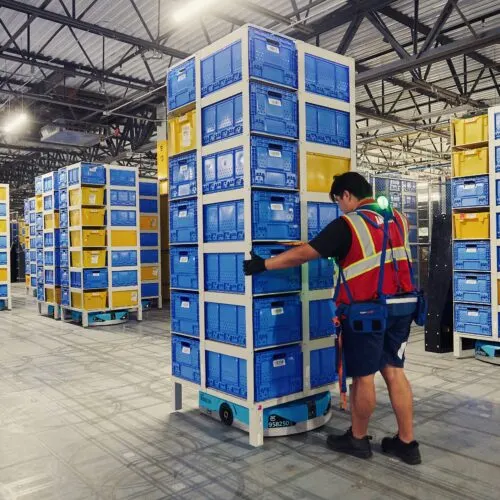
Amazon, the world's second-largest employer with over 1.5 million workers, operates more than 1 million robots in its warehouses and plans to significantly expand its robotic fleet by building new production facilities. The company argues that automation relieves human workers from the most physically demanding and dangerous tasks, citing the warehouse sector's injury rate, which is more than double the average across all industries.
Amazon acquired robotics company Kiva Systems in 2012 and rebranded it as Amazon Robotics, manufacturing most robots in-house at its Massachusetts facility. The company has announced plans to build additional production factories in Austin, Texas, and Greenwood, Indiana. However, independent researchers and labour advocates express concerns that collaborative robots working alongside humans, rather than replacing entire roles, may accelerate work pace and create complicated working conditions, as robots can dictate the rhythm of labour rather than simply removing workers from hazardous tasks.
- Amazon operates over 1 million robots and plans to expand production significantly
- Company claims automation removes dangerous tasks, but researchers warn robots may quicken work pace
- Warehouse injury rates remain more than double the industry average
New here? Start with this
Amazon operates over 1 million robots in its warehouses and plans to expand this fleet significantly. The company is building new facilities to produce robots in Texas and Indiana, alongside its existing manufacturing plant in Massachusetts. This represents a substantial investment in automating warehouse operations.
Amazon bought the robotics company Kiva Systems in 2012 and rebranded it as Amazon Robotics, manufacturing most of its robots in-house. The company argues that robots perform the most physically demanding and dangerous work, citing warehouse injury rates that are more than double the average across all industries. This reflects a broader industry trend towards warehouse automation.
However, researchers and labour advocates express concerns that robots working alongside humans may not eliminate jobs but instead speed up work and create complicated working conditions. Unlike robots that remove workers entirely, those operating alongside humans can set the pace of labour, potentially making work more demanding rather than simply safer. This raises questions about what automation will mean for warehouse workers' wellbeing and future employment.
Both sides, in good faith
The strongest fair case each way — we don't pick a winner.
The case for
Amazon maintains that its robots remove workers from genuinely hazardous roles, pointing to warehouse industry injury rates that substantially exceed the broader industrial average. The company argues that automation improves worker wellbeing by eliminating physically demanding tasks and creating opportunities for safer employment, whilst driving the technological progress and competitiveness necessary in modern logistics.
The case against
Critics and labour advocates argue the concern is not simply job elimination but the intensification of remaining work, as robots establish the pace of labour rather than merely removing dangerous tasks. They contend that workers must adapt to machine-dictated rhythms, creating new psychological and ergonomic stresses that simply shift rather than resolve the hazards inherent in warehouse employment.