Technology news and discussion on TalkFuse.
Inside Google’s Efforts to Get Creatives Hooked on AI
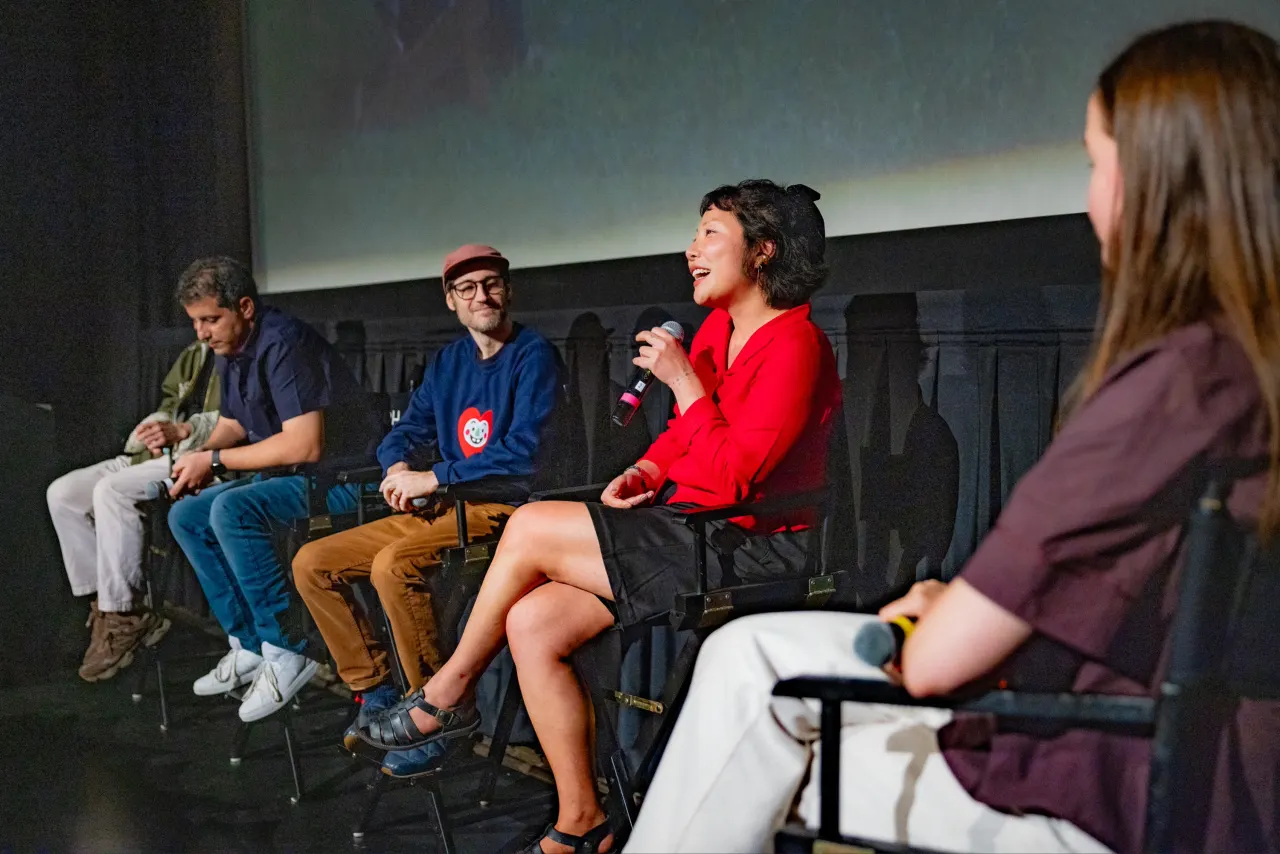
Google is actively courting the film and creative industries to embrace its AI video-generation tools, as illustrated by a recent screening of 11 AI-generated short films at Manhattan's Metrograph theatre. The films were produced by the fourth cohort of Google's "Flow Sessions" programme, a six-week scheme giving emerging filmmakers unlimited access to the company's Flow video generator plus mentorship, forming part of a broader push that includes a DeepMind research partnership with A24 and collaborations with directors such as Darren Aronofsky and Doug Liman.
The programme is guided by filmmaker-in-residence Henry Daubrez, who argues AI removes traditional barriers to storytelling by letting people without professional creative backgrounds bring ideas to life despite costly VFX and production hurdles. Google has also raised the event's profile by moving the screening from Tribeca's smaller Roxy Cinema to the larger, cinephile-favoured Metrograph. The push comes despite continued industry unease, with studios and creative unions criticising AI generators for scraping copyrighted material without creators' consent, tensions reflected even within some of the cohort's own films.
In short
- Google showcased 11 AI-made shorts from its "Flow Sessions" filmmaker programme
- Part of wider push including DeepMind-A24 partnership and top director collaborations
- Move comes amid ongoing industry criticism over AI's use of copyrighted content
Steelman: both sides, in good faith
The strongest fair case each way — we don't pick a winner.
The case for
Proponents of Google's initiative argue that AI video tools genuinely democratise filmmaking by removing the financial and technical barriers that have long excluded talented people without resources, expensive equipment, or industry connections. This isn't merely about commercial opportunity but about expanding who participates in creative industries and enabling stories that might otherwise never be told. By providing emerging filmmakers with professional-grade tools and mentorship through Flow Sessions, Google enables underrepresented voices to create work that reflects diverse perspectives, which represents a meaningful cultural good even if it disrupts existing industry structures.
The case against
Critics raise substantial fairness concerns: Google's AI models are trained on copyrighted films and creative work without consent or compensation to the creators involved, yet Google profits from commercialising these tools. The industry's resistance reflects genuine threats to livelihoods—visual effects artists, cinematographers, and other professionals have invested years developing expertise that could become obsolete without alternative income sources or protections. The democratisation argument, whilst superficially appealing, shouldn't come at the expense of exploiting existing creators' intellectual property and destabilising the creative industries that sustain skilled workers who depend on these fields for economic survival.
Explained simply
Generative AI tools can create new images and video from written prompts and other inputs. Google’s Flow is a video generator, and its Flow Sessions programme gives emerging filmmakers access to the tool and guidance while they make short films. The programme is part of a wider effort by technology companies to work with people in film and the arts.
The debate centres on how these tools are trained and used. Some filmmakers see AI as a way to make visual effects and other production work more accessible, while studios and creative unions have raised concerns about copyrighted work being used without creators’ permission. These questions matter to artists, film companies and audiences as AI becomes more common in creative work.
AI Art Culture Entertainment Film Technology