Russian men describe covert sabotage work for Ukraine inside Russia
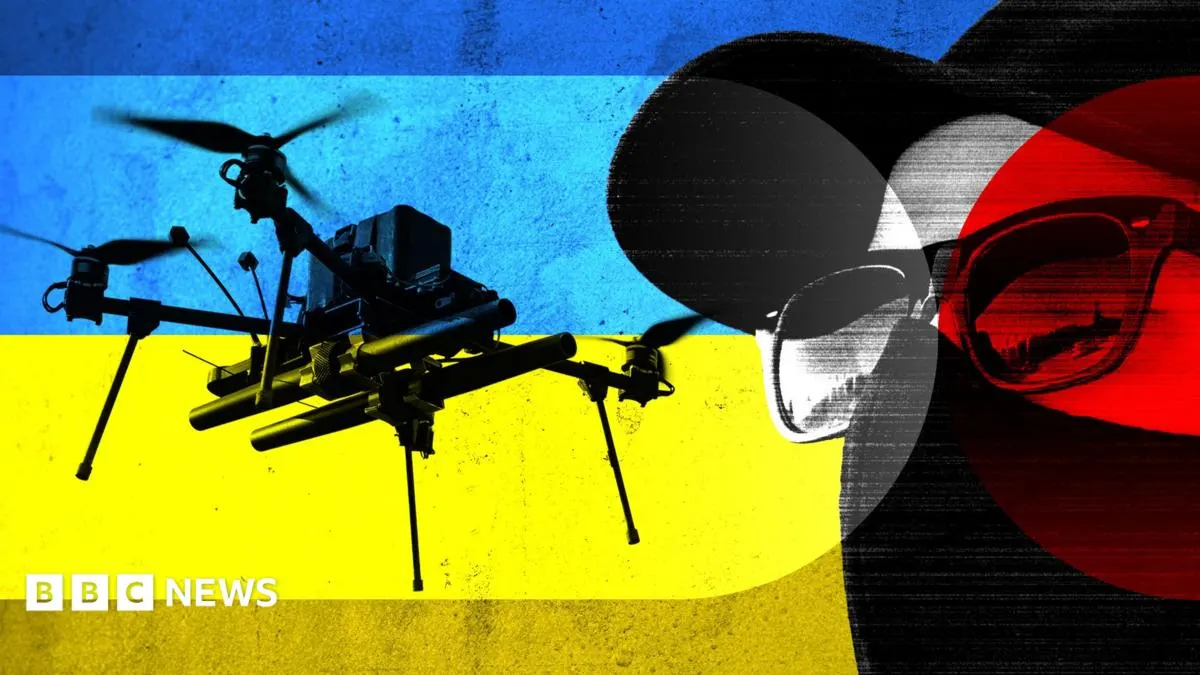
Two Russian men say they have carried out or supported covert operations for Ukraine’s military intelligence inside Russia, including surveillance linked to attacks on military assets and personnel. Their rare accounts offer a glimpse into alleged sabotage networks and Kyiv’s use of secret agents, but the men’s claims cannot be independently verified.
Ivan, who remains in Russia, says he surveyed military sites and helped prepare for drone attacks; he shared footage that appears to show him hiding explosives near an airfield. Foma, who lives in exile in Poland, says he trains volunteers to monitor senior officers and estimates 300 to 500 people are involved, a figure that cannot be confirmed. Ukraine’s intelligence service says both men work for it, while stressing that it cannot know the full picture.
- Two Russians describe covert work for Ukraine inside Russia.
- Ivan says he helped prepare drone attacks on military targets.
- Foma estimates 300 to 500 volunteers, a claim that cannot be verified.
New here? Start with this
Since Russia’s full-scale invasion of Ukraine in 2022, both countries have carried out military operations across the border. Some are conducted openly by armed forces, while others rely on surveillance and covert networks.
Ukraine’s military intelligence service gathers information and supports operations against Russian military targets. The two men say they helped this work inside Russia; the service says they are its operatives, but their accounts and the scale of any network cannot be independently confirmed.
The claims offer a rare account of how intelligence work may support attacks on military sites and personnel. They also show the difficulty of establishing who is involved when operations are secret.
Both sides, in good faith
The strongest fair case each way — we don't pick a winner.
The case for
Supporters of Ukraine’s covert operations argue that targeting military assets and tracking senior officers can disrupt Russia’s war effort and reduce its capacity to attack Ukraine. They may see secret networks as a necessary response when conventional forces cannot reach targets inside Russia, while regarding the risks to participants as part of resistance to an invasion.
The case against
Critics argue that covert sabotage inside Russia can endanger civilians, increase the risk of misidentification and retaliation, and widen the conflict. They may also question the accountability and reliability of clandestine networks, especially when participants’ claims and estimates cannot be independently verified, and contend that military aims do not remove the need to limit harm.
Read the full article at the source →
Originally published by BBC World as “Inside the shadowy world of anti-Putin sabotage from within Russia”.