World news and discussion on TalkFuse.
Intel giving us a reason to be excited for Nova Lake: ‘We’ve had a bit of a hole in our portfolio for high-end desktop, Nova Lake filled in that gap’
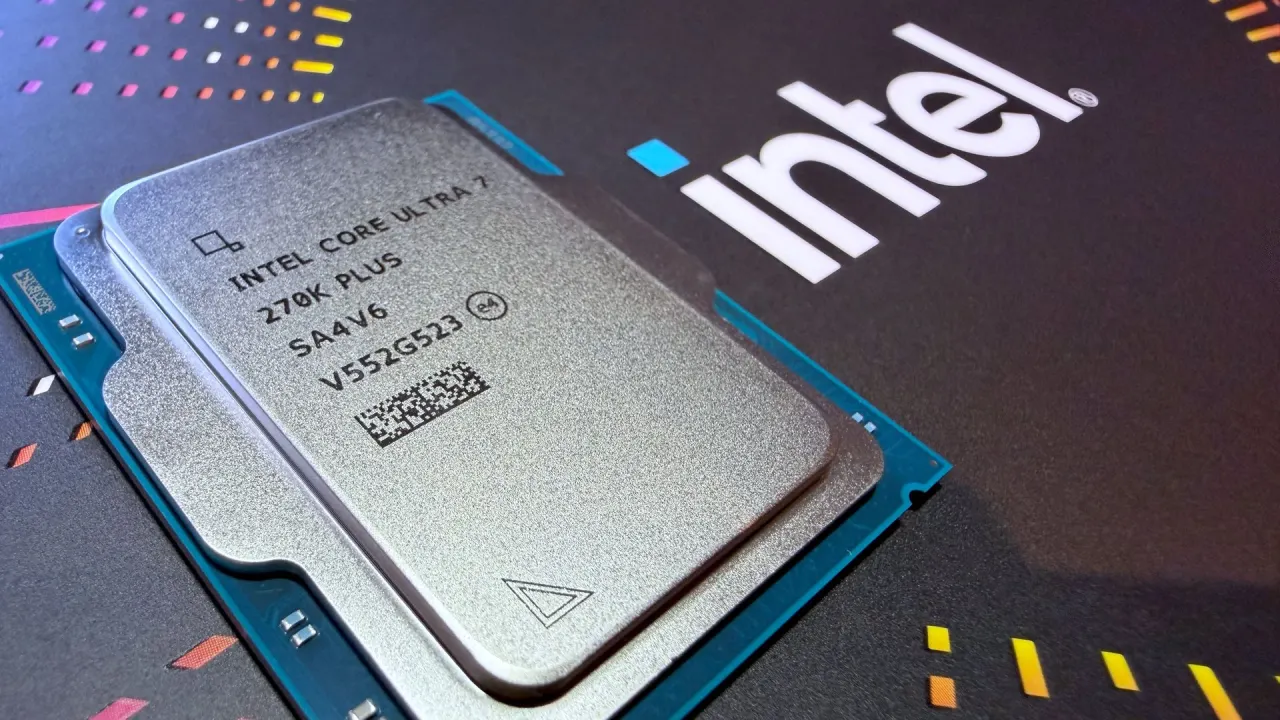
Intel says its Nova Lake desktop chips are on track and will be discussed further at CES in January 2027. The company says the range will address a gap in its high-end desktop portfolio, potentially helping it compete more effectively with AMD in gaming and regain market share.
Chief executive Lip-Bu Tan said Nova Lake is Intel’s first client product using its 18A-P process and is tracking ahead of schedule, with twice as many expected design wins at launch as Panther Lake. Intel says 18A-P can deliver 9% more performance at the same power, or use over 18% less power at the same performance. The article notes that details of the high-end offering remain unclear; rumours point to a flagship chip with a large cache intended to rival AMD’s 3D V-Cache.
In short
- Nova Lake is due to feature at CES 2027.
- Intel says it will fill a high-end desktop gap.
- 18A-P promises up to 9% more performance at equal power.
Steelman: both sides, in good faith
The strongest fair case each way — we don't pick a winner.
The case for
A stronger Nova Lake range could restore a meaningful high-end desktop option from Intel, giving gamers and other buyers more choice and potentially putting pressure on AMD to improve performance or pricing. Intel’s reported progress and efficiency claims offer reason for cautious optimism, while a successful launch could help the company compete and rebuild confidence in its desktop products.
The case against
The claims are largely prospective: key specifications and independent performance results are not yet available, and rumours about a cache-heavy flagship remain unconfirmed. Design wins and process targets do not guarantee a compelling product at launch, so buyers and the market may reasonably wait for evidence that Nova Lake can match rivals in real-world performance, power use and price.
Explained simply
Intel and AMD are the main makers of processors for desktop computers. These chips carry out a computer’s instructions, and their speed and power use can affect tasks such as gaming and video editing.
Intel’s desktop range has not covered the high end as fully as some rivals, leaving a gap for buyers seeking its most powerful chips. Nova Lake is the name for Intel’s upcoming desktop processor range, built using a newer manufacturing process; the company says it is intended to fill that gap.
A stronger high-end range could give buyers more choice and help Intel compete with AMD for customers. Intel’s manufacturing claims describe potential gains in speed or power use, but the benefits in finished computers depend on the specific chips and how they perform in practice.