World news and discussion on TalkFuse.
Iran widens Gulf attacks by targeting U.S. air base in Kuwait and sites in Bahrain
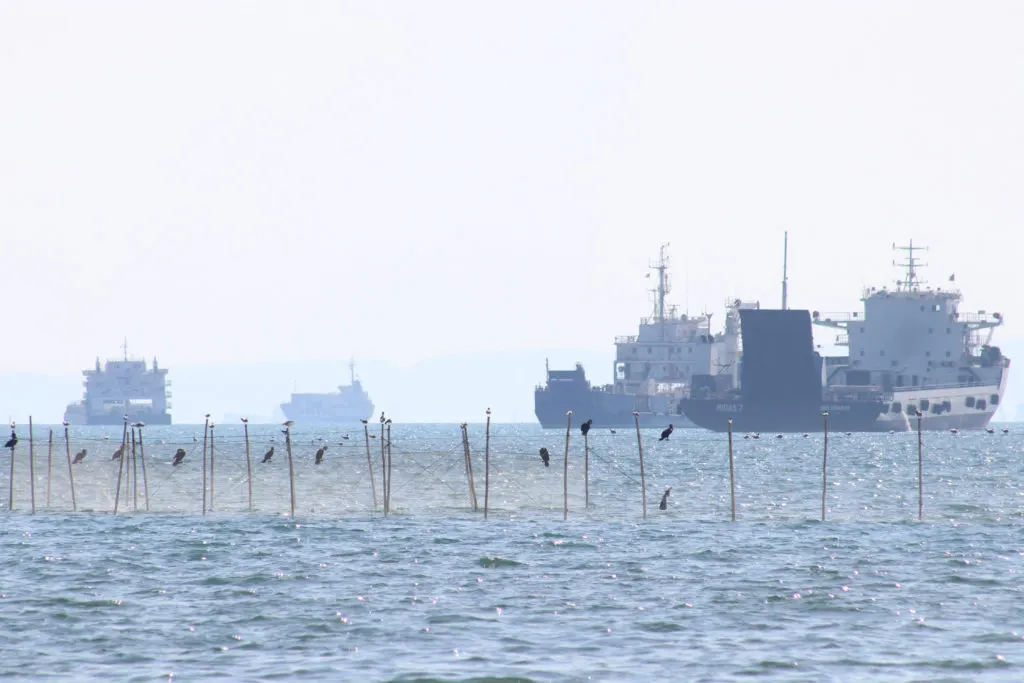
Iran widened its attacks across the Gulf, targeting a US air base in Kuwait and sites in Bahrain on Wednesday, apparently in retaliation for US strikes the previous day. The incidents add to tensions in a war nearing its ninth month and could complicate diplomatic efforts while increasing the risk that separate clashes escalate into a broader conflict.
A US fighter jet struck a Revolutionary Guard missile site on Iran’s Qeshm Island after an Iranian attack on a US radar installation in Bahrain. Tehran has also cited US drone surveillance and damage to Iranian communications towers as reasons for its recent attacks. The strikes come amid a US naval blockade and disruption to shipping through the Strait of Hormuz; an attack on an oil tanker there left one crew member missing and 11 injured. Analysts say continued pressure and military incidents could make escalation harder to avoid.
In short
- Iran targeted a US air base in Kuwait and sites in Bahrain.
- The attacks followed US strikes on Iranian and Gulf targets.
- Shipping disruption and the naval blockade add pressure to the conflict.
Steelman: both sides, in good faith
The strongest fair case each way — we don't pick a winner.
The case for
Iran’s attacks can be argued to be retaliation against US military action, including the strike on a Revolutionary Guard missile site, and against what Tehran describes as surveillance and damage to communications infrastructure. Advocates of this position may see responses as a way to deter further strikes and protect Iran’s security and sovereignty amid a naval blockade and wider pressure.
The case against
The attacks on US and allied sites, alongside the risks to shipping and civilian crews, can be seen as disproportionate and dangerous responses that widen a conflict rather than contain it. Those making this case may argue that military incidents and threats to vital Gulf routes increase the danger of a broader war and undermine diplomatic efforts, whatever the grievances behind them.
Explained simply
The United States has military forces and facilities in several Gulf states, including Kuwait and Bahrain. Iran’s Islamic Revolutionary Guard Corps is part of the country’s armed forces, and the region has seen repeated clashes involving Iran and the United States.
The Strait of Hormuz is a narrow sea passage between Iran and the Arabian Peninsula, used by ships carrying oil and other goods. Disruption there can affect international shipping and energy supplies, while military incidents across several countries may complicate efforts to reduce tensions.