Is a liquid-cooled PC worth it?
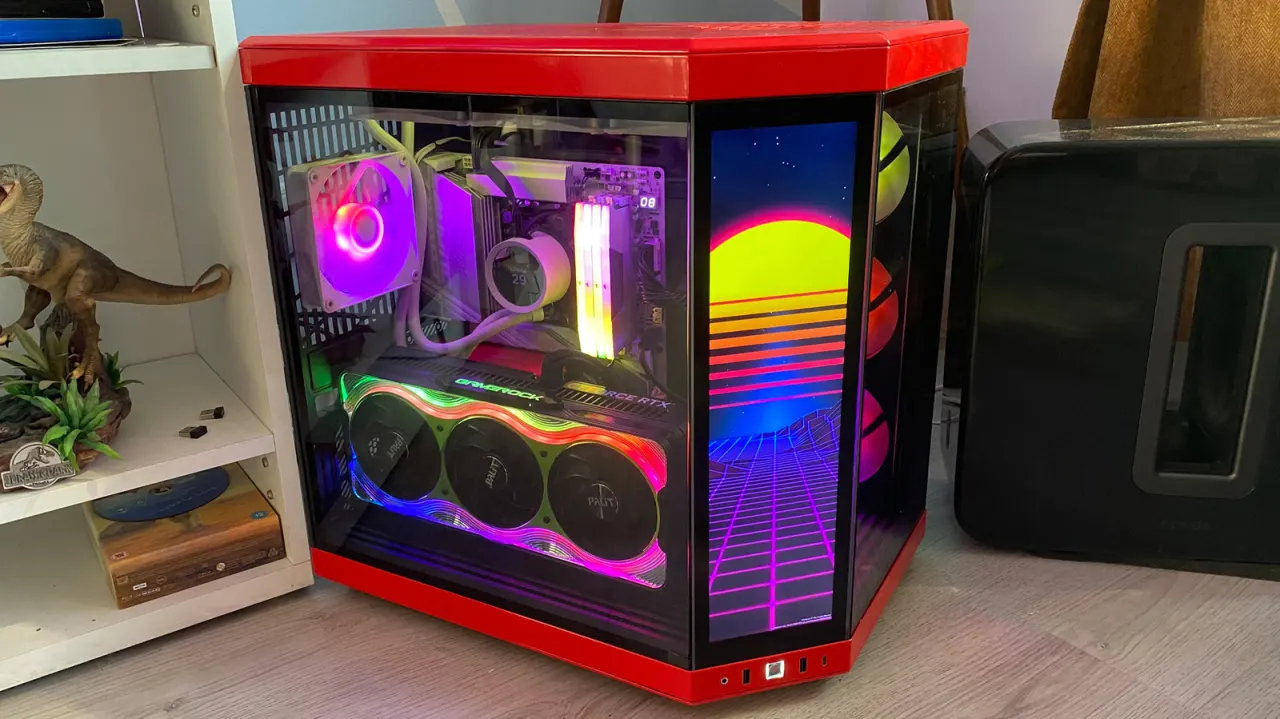
Liquid cooling systems have become popular among high-end PC builders for their striking appearance, but they carry a higher price tag than traditional air coolers, prompting the question of whether they're worth the extra cost. Both cooling types perform the same essential job of drawing heat away from a computer's processor, but they use different methods: air coolers rely on a heatsink, pipes and fan, while liquid, or AIO (all-in-one), systems circulate coolant through a water block, pump, tubing and a separate radiator. The choice matters because it affects both performance under heavy workloads and long-term system reliability.
Liquid coolers are generally better suited to high-end gaming setups aiming for 4K resolution at high frame rates, such as 120FPS, since their larger radiators dissipate heat more effectively and prevent thermal throttling. Air coolers, being simpler and cheaper, remain a sensible choice for budget or mid-range builds where the CPU isn't under constant heavy load. The article's author, who pairs an AMD Ryzen 7 9800X3D processor with an NZXT Kraken 360mm AIO cooler, reports quiet operation, extensive customisation via companion software, and enough thermal headroom to run demanding titles at 4K/120FPS, though they note that cheaper liquid coolers can be noisier. Custom loop systems offer a further, more complex option, letting builders choose individual components and even extend cooling to the graphics card.
- Liquid coolers suit high-end gaming PCs targeting 4K at high frame rates.
- Air coolers are simpler, cheaper, and fine for budget or mid-range builds.
- Custom loop systems allow full component choice, including GPU cooling.
New here? Start with this
Liquid cooling and air cooling are the two main ways of stopping a computer's processor from overheating. Air coolers use a metal heatsink, small pipes and a fan to pull heat away, while liquid systems (often called AIO, or all-in-one, coolers) pump a coolant through a water block, pump and tubing to a separate radiator, which is generally more effective but pricier and more complex to fit.
The question of which to choose matters most for people building or upgrading powerful gaming or work PCs, where the processor is pushed hard and generates a lot of heat. Getting cooling wrong can mean a computer slows itself down to avoid damage, a problem known as thermal throttling, so the decision affects both how well a machine performs and how long its components last.
The debate is part of a wider hobby of building and customising PCs, where enthusiasts weigh up cost, noise, appearance and performance when choosing components. It is relevant to anyone planning a new build or wondering whether to upgrade an existing setup, particularly gamers aiming for very high resolutions and frame rates.
Both sides, in good faith
The strongest fair case each way — we don't pick a winner.
The case for
Liquid cooling represents a worthwhile investment for serious PC enthusiasts and high-end builders, as the superior thermal performance is essential for maintaining consistent frame rates in demanding 4K gaming and preventing thermal throttling under sustained heavy loads. The larger radiators dissipate heat significantly more effectively than air coolers, enabling stable overclocking and allowing users to fully realise the performance potential of high-end processors and graphics cards. Beyond performance, modern AIO systems offer aesthetic customisation, quieter operation when properly configured, and extensive software control that justifies the premium cost for those prioritising optimal performance and system reliability.
The case against
For the vast majority of PC builders, liquid cooling represents poor value that fails to justify its considerably higher cost and added complexity. Air coolers adequately handle standard gaming and productivity workloads with proven long-term reliability, whilst liquid systems introduce unnecessary failure points including pump degradation, coolant breakdown, and potential leaks that air solutions simply do not face. The performance gains matter only for niche use cases like competitive 4K gaming, and even then the benefits are marginal compared to the maintenance burden and expense, making air cooling the sensible choice for budget, mid-range, and most mainstream builds.