Entertainment news and discussion on TalkFuse.
Is the 1971 song John Lennon crowned “the best I’ve ever written” as bad as critics say?
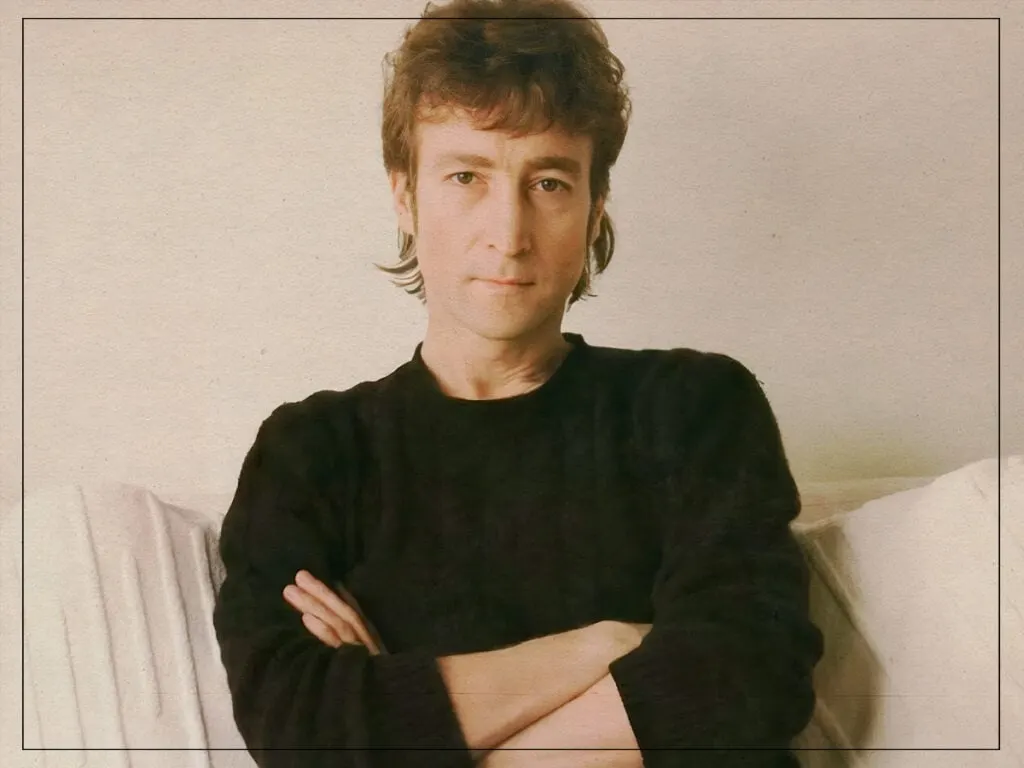
The article reassesses John Lennon’s 1971 song ‘Imagine’, which Lennon described as the best song he had written, against criticisms that it is naïve, overly sentimental or hypocritical. It argues that the song’s plain language and gentle melody helped make its challenge to religion, nationalism, capitalism and materialism widely accessible, explaining its enduring cultural influence despite those objections.
‘Imagine’ was written during sessions for Lennon’s album of the same name and drew substantially on ideas in Yoko Ono’s book Grapefruit; Lennon later said she should have received co-writing credit, which she was formally given in 2017. Released as a single in the United States in October 1971, it became Lennon’s biggest solo hit and later reached number one in the UK after his death in 1980. Its lyrics, especially the call to imagine a world without heaven, countries or possessions, have attracted criticism while also making it a prominent peace anthem.
In short
- ‘Imagine’ remains influential despite criticism of its idealism and perceived hypocrisy.
- Lennon later acknowledged Yoko Ono’s major contribution.
- The song became Lennon’s biggest solo success.
Steelman: both sides, in good faith
The strongest fair case each way — we don't pick a winner.
The case for
Imagine deserves reconsideration because its accessibility and emotional power enabled complex philosophical challenges to militarism, materialism and sectarianism to reach a global audience that might never have engaged with such ideas otherwise. The song's apparent simplicity was strategically effective rather than intellectually lazy—it functioned as a gateway to deeper thought rather than a substitute for it. Its genuine cultural influence in shifting how millions conceived of peace, solidarity and human possibility vindicated Lennon's instinct that plain language and gentle melody could serve transformative ideas.
The case against
The song's critics raise legitimate concerns about intellectual shallowness and internal contradictions that diminish its authority. Proposing to imagine a world without possessions whilst Lennon lived as a wealthy man with estates represents a fundamental disconnect between message and messenger that undermines the work's credibility. The song avoids grappling with how deeply embedded nationalism, religion and materialism are in human societies, offering only sentimental wishes and vague imagery rather than sustained analysis or practical pathways for genuine change.
Explained simply
John Lennon was a British musician who became famous as a member of the Beatles before releasing solo music. In 1971, he wrote ‘Imagine’ during work on an album of the same name, drawing on ideas from Yoko Ono’s book Grapefruit; Lennon later said Ono should have shared the songwriting credit, and she was formally credited in 2017.
The song asks listeners to picture a world without religion, national borders or private possessions. Its simple words and gentle melody helped it reach a wide audience, while its ideas have prompted debate about whether such a world is possible and whether the song’s message fits Lennon’s own life.