Is the US already losing to China on innovation, logistics and rapid resupply?
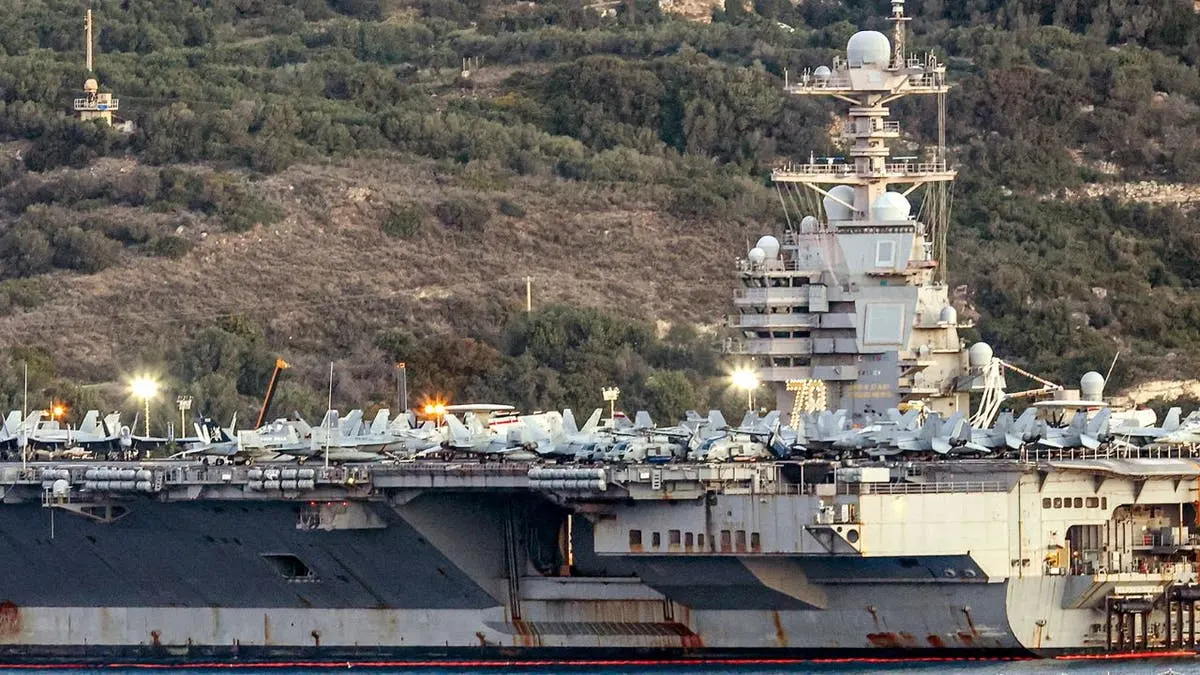
An opinion piece for Fox News argues that recent controversy over food shortages and morale aboard the USS Abraham Lincoln, deployed for over 250 days, highlights a broader concern about US military logistics, innovation and resupply capability compared with China. The author, while acknowledging some criticism of the deployment was politically motivated exaggeration aimed at President Trump, contends there is truth in concerns about the military's supply chain, arguing that even minor components can determine whether the US retains its war-fighting edge.
The piece centres on an anecdote about aircraft rivets, described by an unnamed general as a small but critical maintenance issue given the hundreds of millions used across military and commercial aircraft. The author claims China is already using robotic technology capable of replacing rivets fifteen times faster than current methods, citing this alongside a report of a Chinese humanoid robot allegedly beating Usain Bolt's 100-metre sprint record as evidence of China's advancing AI and robotics capabilities, which the author frames as a warning sign for US military readiness.
In short
- Opinion piece links USS Abraham Lincoln supply issues to wider US logistics concerns
- Author cites aircraft rivet replacement as a "small" but vital readiness factor
- Claims China's robotics/AI advances, including faster rivet replacement, threaten US edge
Steelman: both sides, in good faith
The strongest fair case each way — we don't pick a winner.
The case for
The concerns could indicate a strategic weakness: military effectiveness depends on dependable supplies and rapid repairs as well as advanced weapons, and small components can affect whether aircraft remain available. If China is automating tasks such as riveting more quickly, that may signal an innovation and manufacturing advantage that could help it replenish forces faster in a prolonged conflict. The deployment anecdote is not conclusive evidence, but it gives reason to scrutinise whether US logistics can keep pace.
The case against
A long deployment and reports of shortages on one carrier do not by themselves show that US military logistics are failing or that China has overtaken the United States in military innovation. Rivet-replacement speed and a robot’s sprint time are narrow demonstrations, not measures of combat readiness, reliability, or the ability to supply forces under wartime conditions. A careful comparison would need broader evidence on both countries’ production, maintenance and resupply capabilities, while separating operational problems from politically amplified claims.
Explained simply
The United States and China are major military powers, and both depend on reliable supplies and maintenance to keep their forces ready. Aircraft, ships and other equipment need many small parts as well as fuel, food and skilled workers; delays or shortages can affect how long they can operate.
The US military relies on a large network of suppliers, while China is investing in robotics and artificial intelligence that could change how quickly some manufacturing and repair work is done. Claims about particular Chinese technologies vary in how firmly they have been verified, and speed alone does not determine military strength.
The comparison matters because the ability to make, repair and resupply equipment can shape a country’s readiness over time. It is one part of a broader contest that also involves training, technology, industrial capacity and the ability to sustain forces far from home.