Sandi Toksvig backs Cambridge project to address Wikipedia’s gender and geographic bias
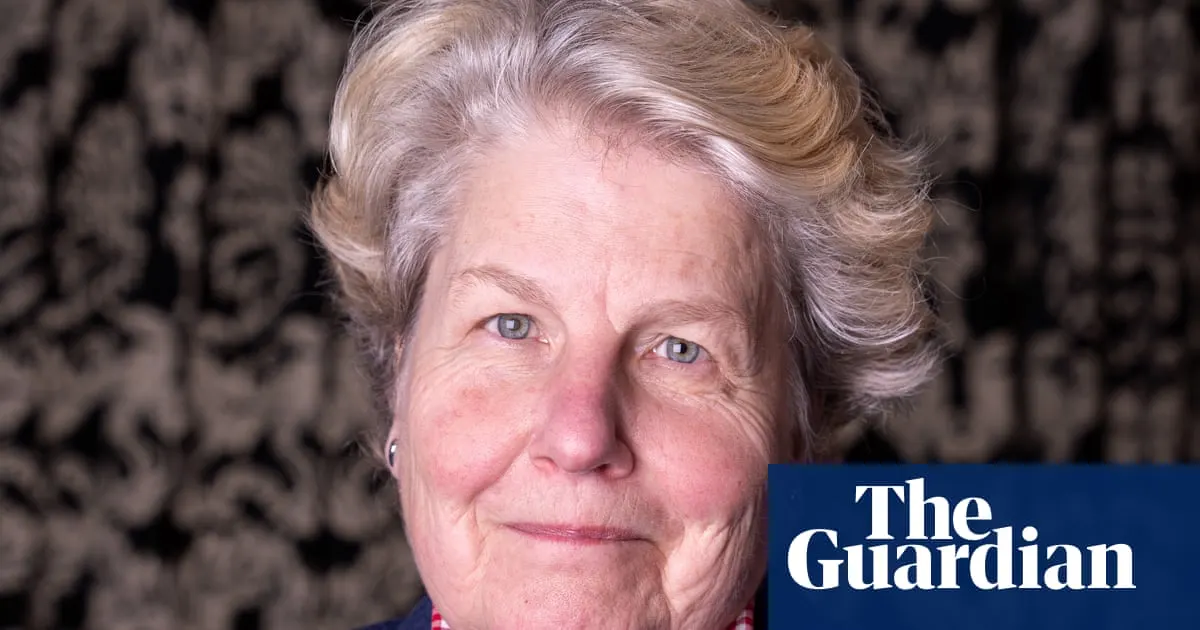
Sandi Toksvig has criticised Wikipedia as "deeply biased" against women and is backing a rival project called Mappa Mundi to address the gap. Only 19% of Wikipedia's biographies concern women, a disparity she attributes to the site being edited primarily by white, middle-aged European men. The initiative, developed with the University of Cambridge, aims to create an "interactive digital atlas" that will preserve knowledge currently excluded from or deleted by Wikipedia.
The gender bias issue is illustrated by cases like physicist Donna Strickland, whose biography submissions were repeatedly rejected until she won the Nobel Prize. Beyond gender, Wikipedia shows significant geographic bias, with a 2013 study finding it contains more coverage of Germany alone than of Africa and South America combined. Toksvig's project reflects broader frustrations with Wikipedia's limitations, though other alternatives such as Elon Musk's AI-powered Grokipedia have struggled with credibility issues, including reliance on banned sources.
- Wikipedia's biographies are only 19% female, says Toksvig
- Sandi Toksvig backs Mappa Mundi project as rival
- Site edited mostly by white, middle-aged European men
New here? Start with this
Wikipedia is a free online encyclopedia that anyone can edit, but it has significant gaps in coverage. Only about one in five of its biographies concern women, and the site is edited predominantly by men from Europe and North America, which shapes what information gets included.
Sandi Toksvig, a broadcaster and writer, is backing a project called Mappa Mundi, developed with the University of Cambridge. The initiative aims to create an interactive digital atlas to document and preserve knowledge that Wikipedia excludes or deletes. Toksvig points to real examples of this bias, such as physicist Donna Strickland's biography being repeatedly rejected from Wikipedia before she won the Nobel Prize.
Beyond gender, Wikipedia shows major geographic disparities, with some European countries having more articles than entire continents including Africa and South America. Various attempts at creating credible alternatives to Wikipedia have been made, though establishing sustainable rivals has proved challenging.
Both sides, in good faith
The strongest fair case each way — we don't pick a winner.
The case for
Wikipedia's documented gender and geographic biases represent a genuine problem demanding action. With only 19% of biographies covering women and vastly greater coverage of Europe than Africa or South America, the encyclopedia clearly reflects its editors' narrow demographics rather than global knowledge. Cases like Donna Strickland's rejected submission until she won a Nobel Prize illustrate how the site's editing culture systematically excludes marginalised voices. Alternative projects like Mappa Mundi are necessary because Wikipedia's structural issues—rooted in its volunteer base and gatekeeping practices—cannot be reformed from within.
The case against
Wikipedia's documented disparities, whilst real, don't necessarily indicate bias in the platform's fundamental standards. The site's requirements for reliable sourcing, verifiability, and notability are neutral criteria that reflect historical inequalities in documentation and information access rather than deliberate exclusion. Wikipedia has been actively working to address these gaps through targeted initiatives and policy improvements, suggesting the problem is remediable without abandoning the platform. Creating parallel encyclopedias risks fragmenting knowledge and introducing credibility problems, when resources might better be spent improving Wikipedia's editing culture and expanding its contributor base.
Read the full article at the source →
Originally published by The Guardian as “Is Wikipedia ‘deeply biased’? Sandi Toksvig says it is – so she’s backing a rival”.