Israel and the US are both going to the polls – the consequences will be global
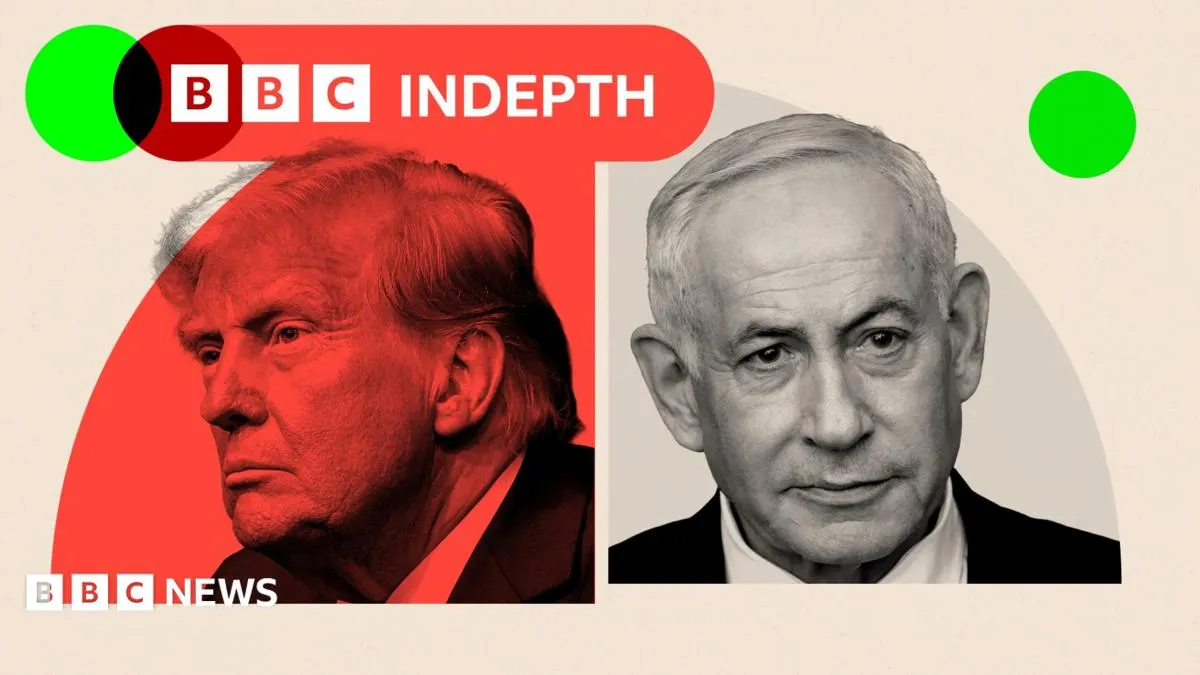
Israel’s parliamentary election and the US congressional elections, held a week apart, could influence conflicts in the Middle East and the global economy. The article says the two contests are closely linked through US policy towards Israel and Iran, as well as voters who hold citizenship in both countries.
Prime Minister Benjamin Netanyahu has used his campaign to highlight Iran’s nuclear threat and his security credentials, while US President Donald Trump has backed his re-election and called for the two leaders to “finish the job” in Iran. Reports also suggest Trump urged Netanyahu to hold back from a new attack before US voters went to the polls, amid concern about energy prices. Around 500,000 Israelis with US passports may vote in both elections; one advocacy group estimates 10,000 ballots from Israel could affect Michigan’s close Senate race. Netanyahu could also seek a unity government after the Israeli vote, though rival Gadi Eisenkot has ruled out joining one.
In short
- Israeli and US elections could shape policy on Iran.
- Netanyahu has raised the prospect of renewed military action.
- Dual citizens in Israel may influence close US races.
Steelman: both sides, in good faith
The strongest fair case each way — we don't pick a winner.
The case for
Supporters of close US-Israeli coordination argue that shared security interests make it important for both electorates to choose leaders able to deter Iran and manage regional threats. They may see Netanyahu’s security record and Trump’s backing as a chance to sustain pressure on Iran, while welcoming the political participation of citizens with ties to both countries.
The case against
Critics argue that leaders should not use elections to heighten tensions with Iran or treat military action as a campaign credential, particularly when conflict could raise energy prices and carry wider risks. They may also question the influence of a foreign leader’s endorsement and overseas ballots on US politics, and favour a broader Israeli coalition over a government centred on one leader’s security agenda.
Explained simply
Israel’s prime minister is chosen by parliament, where parties usually need to join together to form a governing majority. Benjamin Netanyahu, a long-serving prime minister, has made security and Iran’s nuclear programme central to his campaign; Gadi Eisenkot is a rival politician and former military chief.
The United States holds congressional elections to choose members of the House and Senate, which shape laws, spending and oversight of the president. US policy can affect Israel through military aid and diplomacy, while decisions about Iran and conflict in the region can influence global energy markets.
Some Israelis also hold US citizenship and can vote in both countries. Their ballots may matter in close US races, while the two governments’ choices can affect regional security and the wider economy.
Americas Business Economy Elections Middle East Politics World