Politics news and discussion on TalkFuse.
Israel’s Eisenkot agrees to coalition deal with left-wing Democrats
Developed over time first seen 1 day ago
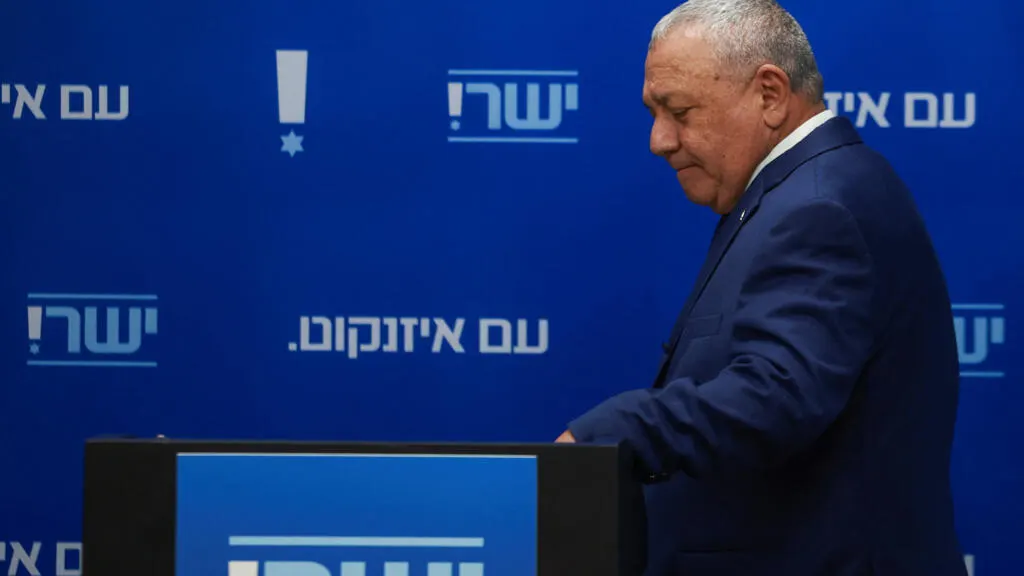
Gadi Eisenkot’s centrist Yashar party and the left-leaning Democrats have agreed a coalition deal, bringing Eisenkot a further step towards forming Israel’s next government. The agreement matters because no bloc won a clear majority in October’s election, and Eisenkot is seeking to replace caretaker Prime Minister Benjamin Netanyahu.
The Democrats are to receive four ministerial portfolios: national security, labour, communications, and culture and sport, which will include a new democracy directorate. Eisenkot, Avigdor Lieberman and Yair Golan together have 36 lawmakers, short of the 61 needed for a majority; Naftali Bennett’s 12-seat Beyachad party has not formally signed. Eisenkot has until 6 December, with a possible 14-day extension, and parties remain divided over alliances with Arab-majority and ultra-Orthodox parties or a unity government with Likud.
- Sources
- 3
- Outlets
- 1
- Left · Centre · Right
- 0 · 3 · 0
In short
- Yashar and the Democrats agreed a coalition deal.
- The Democrats are set to receive four ministerial portfolios.
- Eisenkot’s bloc still needs support to reach 61 lawmakers.
How this story developed
- 21 hours ago Gadi Eisenkot’s centrist Yashar party and the left-leaning Democrats have agreed a coalition deal, bringing Eisenkot a further step towards forming Israel’s next government.
Steelman: both sides, in good faith
The strongest fair case each way — we don't pick a winner.
The case for
Supporters can argue that the agreement turns some of the election’s common ground into a workable governing programme and gives the Democrats responsibility for areas such as national security and labour. It may help Eisenkot build a government capable of replacing the caretaker administration, while the proposed democracy directorate signals attention to institutions and public accountability.
The case against
Critics can argue that distributing four portfolios before securing a majority risks giving substantial influence to a party whose programme may not reflect all the voters or partners a future government needs. With key alliances unresolved, the deal could deepen divisions over Arab-majority and ultra-Orthodox parties or a unity arrangement with Likud, and make coalition formation harder rather than easier.
Explained simply
Israel’s parliament, the Knesset, has 120 members, and a government needs the support of at least 61 to command a majority. When no group of parties wins enough seats to govern alone, parties negotiate agreements to build a coalition.
Gadi Eisenkot leads Yashar, a centrist party, and is seeking to replace caretaker Prime Minister Benjamin Netanyahu. The Democrats, led by Yair Golan, are on the left; their agreement with Yashar sets out roles for the Democrats in a possible government, but does not by itself give Eisenkot a parliamentary majority.
Other parties hold seats that could affect who can form a government, including Avigdor Lieberman’s party and Naftali Bennett’s Beyachad. Parties are divided over whether to work with Arab-majority or ultra-Orthodox parties, or with Netanyahu’s Likud, making coalition talks central to deciding who governs.
Coverage · 3 sources
Bias meters
From 3 rated sources.
Elections Government Middle East Politics World