Israel’s election deadlock is a sign of the country’s deep divisions
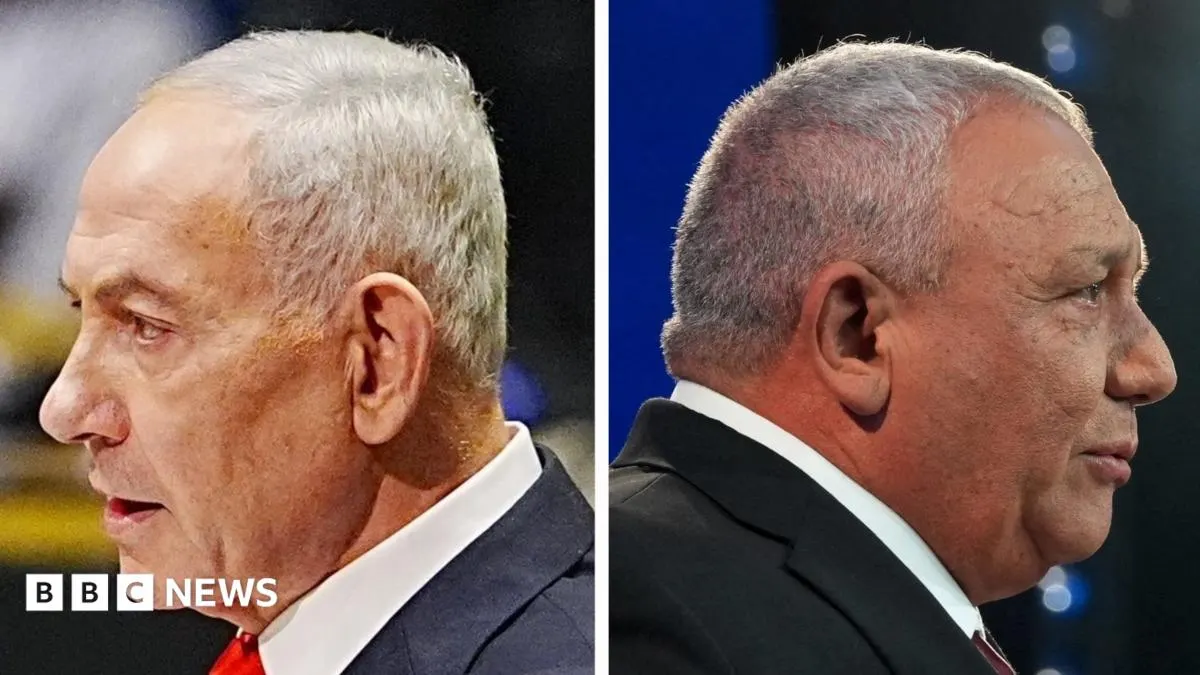
Israel’s election drew record participation from Jewish and Arab voters, but produced no clear parliamentary majority, leaving the country without an obvious path to a new government. The result reflects deep divisions over religion, military service, the war in Gaza and the country’s political direction.
Benjamin Netanyahu’s Likud party lost ground but is still expected to be the largest in the Knesset. Arab parties won about 15% of the vote, while around 10% backed the Jewish supremacist far right; the opposition bloc fell short of securing change. Forming a coalition may require groups with sharply opposing views to make difficult compromises.
In short
- Record turnout did not produce a governing majority.
- Netanyahu’s Likud lost ground but may remain the largest party.
- Coalition talks will test Israel’s deep political and social divides.
Steelman: both sides, in good faith
The strongest fair case each way — we don't pick a winner.
The case for
The deadlock can be read as evidence that Israel’s divisions are deep enough to prevent any one political camp from claiming a clear mandate. High participation among Jewish and Arab voters, alongside support for parties with sharply different views on religion, military service and the war in Gaza, suggests that these disagreements are reflected in active political choices. The difficulty of forming a coalition may therefore reveal a genuine challenge in reconciling competing visions of the country.
The case against
A deadlocked election does not necessarily show that Israeli society is more divided than before; it may reflect the ordinary arithmetic of a fragmented parliamentary system and the bargaining required to form coalitions. High participation across communities can also be seen as evidence that voters are engaging through democratic institutions, while coalition talks may create room for compromise. The result alone cannot establish how deep or enduring the divisions are.
Explained simply
Israel’s parliament, the Knesset, is elected through a system in which parties win seats in proportion to their share of the vote. No single party usually governs alone, so a government needs the support of a majority of MPs, often by bringing several parties into a coalition.
Benjamin Netanyahu leads Likud, a major right-wing party, while Arab parties represent many of Israel’s Arab citizens. Other parties differ over the role of religion in public life, military service and relations with Palestinians. These disagreements shape both coalition negotiations and debates about the country’s future.
The divisions matter because coalition partners must agree on enough policies to govern, despite differences over issues including the war in Gaza. A deadlock can make it difficult to form a stable government and leave major decisions unresolved.
Elections Government Middle East Politics World