Mary McAleese says infant baptism breaches children’s religious rights
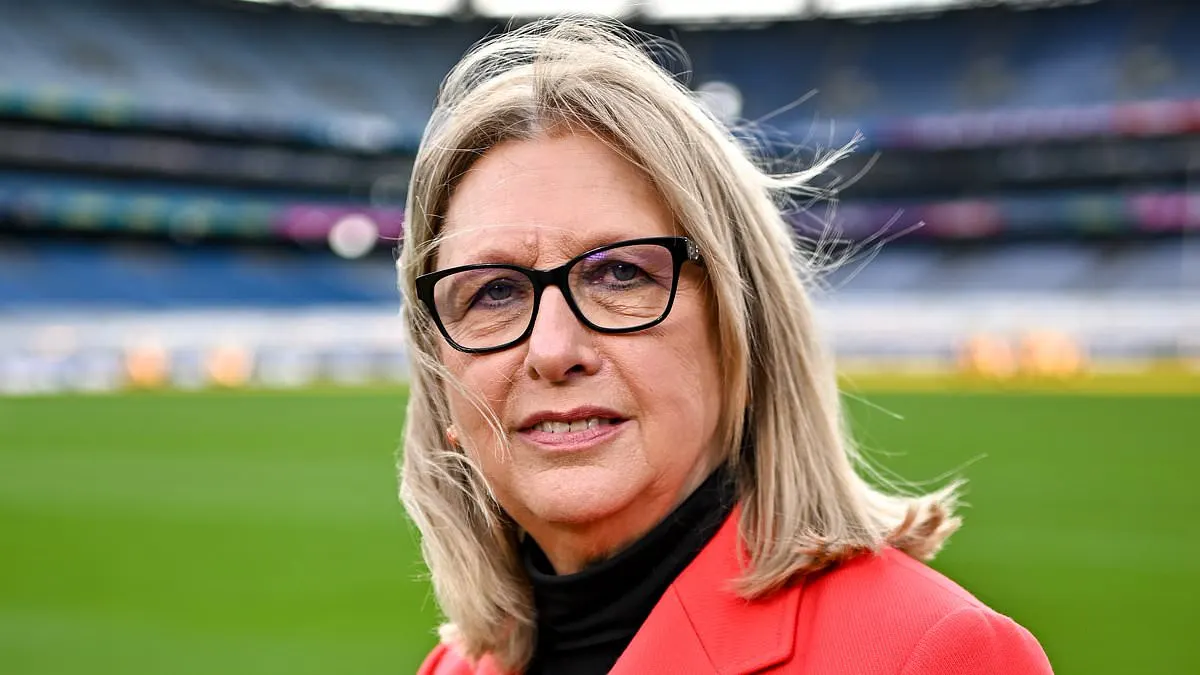
Former Irish president Mary McAleese argues in a forthcoming book that baptising infants without their informed consent breaches their human rights and limits their freedom of religion. Her claims have drawn criticism, including from Aontú leader Peadar Tóibín, and renew debate about children’s autonomy and the Catholic Church’s practices.
McAleese’s book, *The Baptism Bluff: Human Rights and the Canon Law of Baptism*, says Church rules treat baptismal promises as binding and require many young people to renew them at Confirmation. She says her criticism concerns the Church’s rules and their effects on members’ freedoms, not the sacramental meaning of infant baptism. A practising Catholic and former barrister with a doctorate in canon law, McAleese has previously challenged Church positions, including its exclusion of women from the priesthood.
In short
- Mary McAleese says infant baptism raises human rights concerns.
- Her forthcoming book challenges the Church’s rules on baptism.
- Critics have rejected her argument.
Steelman: both sides, in good faith
The strongest fair case each way — we don't pick a winner.
The case for
Infants cannot give informed consent, and baptism may place them within a religious community whose rules and expectations shape their later choices. On this view, protecting children’s freedom of religion means ensuring they can decide for themselves as they mature, and the Church should reconsider rules that treat baptismal promises as binding or ask young people to renew them.
The case against
Parents routinely make formative choices for children before they can consent, including choices about culture, community and religious upbringing, and baptism can be understood as an expression of that parental responsibility. The Church may regard infant baptism as a sacrament and a welcome into the faith rather than a binding limit on a child’s later freedom to believe, practise differently or leave.
Explained simply
Mary McAleese is a former president of Ireland and a practising Catholic who has studied canon law, the rules governing the Catholic Church. Infant baptism is the Catholic practice of baptising a baby before they can understand or choose a religion; the Church regards baptism as a sacrament and a way of welcoming a person into the faith.
The debate concerns what commitments follow from baptism as children grow up. In Catholic teaching, Confirmation is a later sacrament in which young people affirm their faith, while McAleese’s argument focuses on Church rules and religious freedom rather than the sacramental meaning of baptism.
The issue raises questions about children’s ability to choose their beliefs and how that choice relates to family and religious tradition. It has prompted differing views, including criticism from Aontú leader Peadar Tóibín.
Cybersecurity Technology World
Read the full article at the source →
Originally published by Daily Mail as “It’s just nonsense! Mary McAleese claims that giving infants the sacrament of Baptism breaches their human rights as they are too young to give CONSENT… Her controversial view has sparked angry reaction”.