I’ve spent 25 years at historic museums. Smithsonian should tell of America’s greatness
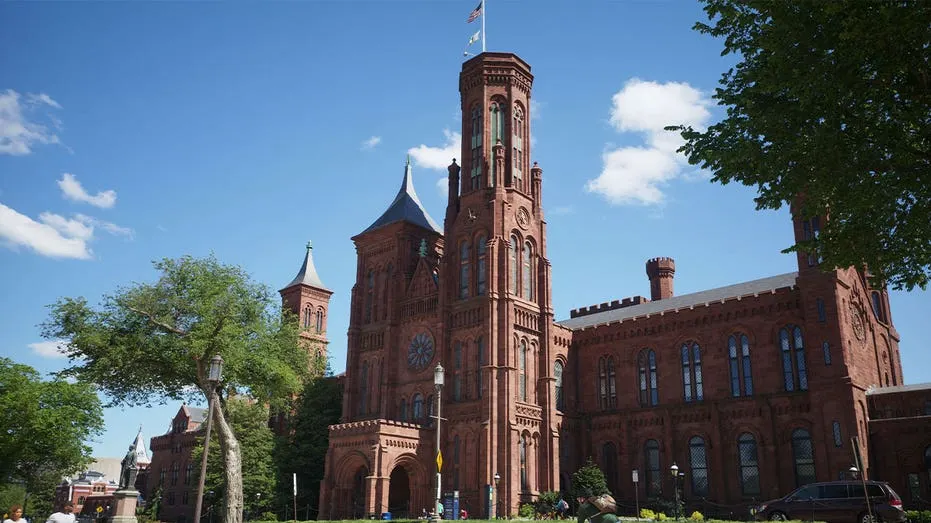
The Smithsonian Institution faces scrutiny over how it presents American history as it prepares for new leadership during the nation's 250th anniversary. A White House review criticised the National Museum of American History, alleging that ideological concerns have displaced understanding of history as a shared inheritance, whilst Smithsonian leaders have defended the institution's scholarly independence. An opinion contributor with 25 years of museum governance experience argues the institution should present history honestly but in balanced proportion.
The author contends that museums should acknowledge both American achievements—including the establishment of representative government, defeating fascism and Soviet communism, and advancing science—and the nation's failures and contradictions. He argues that history should not be organised around contemporary political or ideological categories, and warns that the cumulative presentation of facts can distort understanding even when individual facts are accurate. The piece frames the challenge as distinguishing between critical historical examination and teaching cynicism about the nation.
- Smithsonian faces debate over balancing achievements and historical shortcomings.
- White House criticised museum for ideological concerns in history presentation.
- Opinion argues for honest, proportioned history free from political categories.
New here? Start with this
The Smithsonian Institution, America's premier museum system, is at the centre of a debate about how American history should be presented to the public. The institution, which operates numerous museums in Washington DC and beyond, significantly influences how Americans understand their nation's past. This scrutiny has intensified as the country approaches its 250th anniversary and the Smithsonian prepares for new leadership.
The disagreement centres on how museums should balance presenting American accomplishments with the nation's failures and contradictions. A White House review criticised the National Museum of American History for allowing ideological concerns to shape its presentations, whilst the Smithsonian's leadership has argued the institution must maintain scholarly independence in deciding how to interpret historical evidence. The core question is whether the way facts are selected and arranged can distort understanding, even when individual facts are accurate.
Those involved in the debate differ on whether examining America's shortcomings represents honest historical scholarship or risks teaching cynicism about the nation. The argument reflects broader disagreements about whether museums should present history primarily through national achievement or through critical examination of both successes and failures. This matters because major museums significantly shape how millions of people learn about their national identity and history.
Both sides, in good faith
The strongest fair case each way — we don't pick a winner.
The case for
American museums should present comprehensive history that honestly acknowledges both genuine achievements—the founding of representative institutions, defeating fascism and communism, scientific advancement—and real failures and injustices. History should remain truthful without distortion by contemporary political categories; a balanced presentation that encompasses both inspirational and troubling elements serves citizens better than one organised ideologically, avoiding both triumphalism and corrosive cynicism whilst maintaining scholarly rigour.
The case against
American museums have traditionally presented uncritical narratives that downplayed or omitted systematic injustices—genocide of indigenous peoples, slavery, segregation, institutional inequalities. Contemporary scholarship reveals these omissions reflected deliberate power structures, not accidental gaps. Truly honest history requires centring previously marginalised voices and examining how America's institutions affected different communities distinctly; this represents necessary scholarly correction, not ideological imposition, and serves the diverse publics museums serve.